

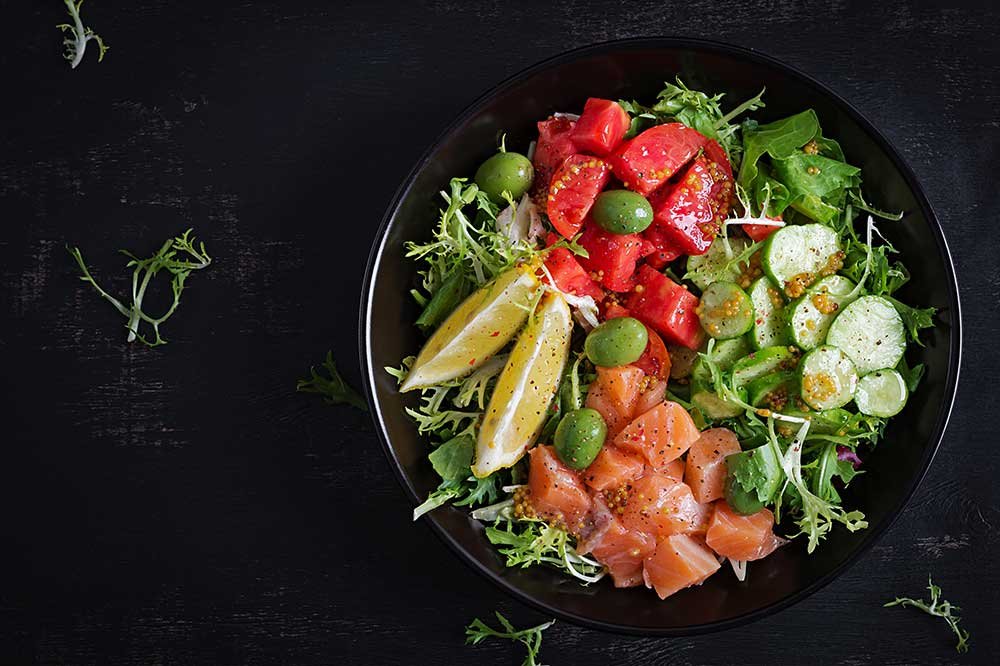
A vegetarian diet excludes meat and fish, but usually allows animal products such as dairy, eggs, and honey, while a vegan diet excludes all animal products. Veganism often extends beyond diet—it's a lifestyle that eliminates the use of animals, including in clothing and cosmetics. This difference leads to different nutritional needs, the most notable of which is the need for vitamin B12 in a vegan diet.
To sum it up
- Vegetarian does not eat meat and fish, but usually consumes dairy products, eggs and honey.
- Vegan does not consume any animal products, including dairy products, eggs, honey and gelatin.
- Veganism often also includes clothing, cosmetics, and entertainment, while vegetarianism is primarily about nutrition.
- Vitamin B12 – with a vegan diet, additional intake (or fortified foods) is necessary.
What is a vegetarian diet?
Vegetarianism Vegetarianism is a diet that excludes the consumption of animal meat, including poultry, fish, and seafood. However, vegetarians may consume foods that do not come from slaughtered animals. Depending on which of these foods are included in the diet, there are three types of vegetarianism:
- Lacto-ovo vegetarianism – allows the consumption of dairy products and eggs; this is the most popular form.
- Lactovegetarianism – allows dairy products, excludes eggs.
- Ovo-vegetarianism – allows the consumption of eggs, excludes dairy products.
It is often confused with vegetarianism. pescatarianism (a diet without meat, but including fish and seafood) and flexitarianism (a predominantly plant-based diet, with occasional meat consumption). Since both approaches allow for the consumption of animals, they are not strictly vegetarian diets—rather, they are transitional forms.
What is a vegan diet and veganism?
Vegan diet The vegan diet is based exclusively on plant foods: vegetables, fruits, grains, legumes, nuts, seeds, and mushrooms. Vegans do not eat meat, fish, dairy products, eggs, or honey, as well as animal-derived ingredients found in products such as gelatin, carmine (an insect dye), casein, or whey.
The term "vegan" was coined in 1944 in the UK, when Donald Watson and a group of dairy-free vegetarians founded the Vegan Society. According to the organization's current definition, veganism is philosophy and way of life , striving to eliminate—as far as possible and appropriate—all forms of exploitation and cruelty to animals, whether for food, clothing, or other purposes. Therefore, many vegans also avoid leather, fur, wool, silk, and cosmetics tested on animals.
Vegetarian and Vegan Diets - Comparison Chart
| Characteristic | Vegetarian diet | Vegan diet |
|---|---|---|
| Meat, poultry, fish | Excluded | Excluded |
| Dairy products (milk, cheese, yogurt) | Usually allowed | Excluded |
| Eggs | Usually allowed | Excluded |
| Honey | Acceptable | Excluded |
| Gelatin, carmine | Excluded (obtained from slaughtered animals or insects) | Excluded |
| Range | Basically a diet | Often this is related to diet and lifestyle (clothing, cosmetics). |
| Vitamin B12 | Sources: Dairy products and eggs; supplements if intake is low. | It is necessary to take nutritional supplements or fortified foods. |
| Everyday simplicity | More choice in shops and restaurants. | Requires the ability to read essays and plan. |
Are vegan and vegetarian diets healthy?
In a 2016 statement, the American Academy of Nutrition and Dietetics acknowledged that properly planned Vegetarian diets, including vegan ones, are healthy, nutritious, and suitable for all stages of life, including pregnancy, breastfeeding, children, and athletes. The key word here is "planned": simply eliminating meat does not guarantee a healthy diet.
What should you pay attention to when following a vegan diet?
- Vitamin B12 – found in significant quantities only in animal products. The forms found in fermented foods, algae, and yeast are not reliable sources for humans, so vegans require supplements or fortified foods. Deficiency can lead to anemia and neurological disorders.
- Calcium – without dairy products, it is worth giving preference to plant-based drinks fortified with calcium, tofu, leafy vegetables, sesame seeds and almonds.
- Iron and zinc They are less well absorbed from plants; combining legumes and grains with foods rich in vitamin C helps.
- Protein – Good sources include legumes, tofu, tempeh, nuts, seeds and whole grains.
- It is necessary to pay attention omega-3 fatty acids, iodine, and vitamin D ; sources of omega-3 include flax seeds and walnuts, and DHA can be obtained from algae.
In a vegetarian diet, dairy products and eggs help meet vitamin B12 and calcium requirements, but those with low intakes may require supplements. It's best to discuss dosage and supplementation with a doctor or dietitian, especially for children, pregnant and breastfeeding women, and people with chronic illnesses.
Vegetarianism or veganism – where to start and what to choose?
- Start with vegetarianism , If you want to gradually change your diet, the fewer food exclusions you make, the easier it will be to shop and eat out.
- Choose veganism, if your main motivation is to oppose animal exploitation in all its forms.
- Please study the composition carefully: Gelatin is found in jellies, jams and some yoghurts, carmine (E120) is found in sweets and drinks, and whey protein, casein and lactose are found in many processed foods.
- Plan your diet, by including legumes, whole grains, vegetables and nuts, not just processed meat substitutes.
- Get tested (for example, get blood tests, check your vitamin B12, iron, and vitamin D levels) and talk to your doctor or dietitian about your diet.
Frequently Asked Questions (FAQ)
What is the difference between a vegan and a vegetarian?
A vegetarian does not eat meat or fish, but typically consumes dairy products, eggs, and honey. A vegan does not consume any animal products and often avoids their use in clothing and cosmetics.
Do vegetarians eat fish?
No. A diet that includes fish but not meat is pescetarianism, which is often confused with vegetarianism, but strictly speaking, it is not.
Do vegans eat honey?
No. Honey is a bee product, so vegans exclude it from their diet. Instead, they use maple syrup or agave syrup.
Do vegans need to take vitamin B12 supplements?
Yes. Vitamin B12 is found in significant quantities only in animal products, so a vegan diet requires supplements or fortified foods. It's best to discuss the dosage with a doctor or nutritionist.
Do vegetarians eat eggs?
Most people eat eggs—lacto-ovo-vegetarians and ovo-vegetarians. Lacto-vegetarianism and, of course, veganism exclude them.
See also
- What is the difference between yoga and Pilates?
- What is the difference between white and red wine?
- What is the difference between kefir and buttermilk?
- What is the difference between coffee beans and instant coffee?