
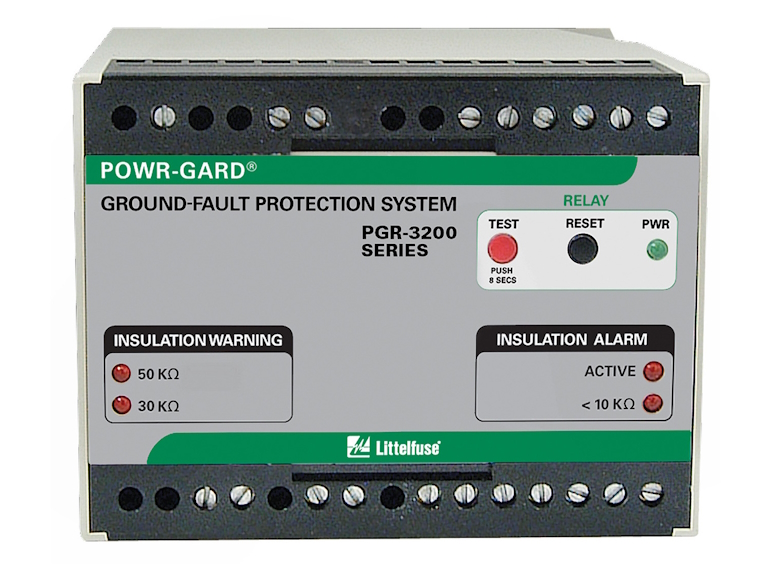
RCD, or ground fault protection device, is a highly desirable element of the electrical safety system.
Its main function is to prevent electric shock and protect against possible short circuits.
An RCD operates by detecting current leakage and immediately disconnecting the power supply when an anomaly is detected. This device is critical for ensuring safety in home and industrial electrical systems.
The basic operating principle of a RCD

A ground fault protection device (RFD) plays a key role in ensuring the safety of electrical systems. Its basic operating principle is to measure the difference in currents in conductors. Under normal conditions, when the electrical system is functioning properly, the currents in the phase and neutral conductors should be equal. This occurs because all current flowing through the phase conductor returns through the neutral conductor.
When a current leak occurs, some of the current begins to flow through the ground rather than returning entirely through the neutral conductor. This discrepancy results in unequal currents in the phase and neutral conductors. An RCD is designed to detect this imbalance. It is equipped with a differential transformer that compares the incoming and outgoing currents. If the difference between them exceeds a preset threshold (usually 5 to 30 milliamps), the RCD trips immediately, cutting off the power supply.
This rapid response prevents electric shock and significantly reduces the risk of electrical fires. It's important to note that RCDs do not protect against overloads or short circuits, but only against current leaks that can occur due to insulation failure or other faults. This device effectively protects people and property from potentially dangerous electrical situations.
Types of RCDs and their features

There are several types of RCDs, each with its own characteristics and application in different situations. One of the most common types is a fixed-threshold RCD. It disconnects the power supply when it detects a leakage current exceeding a set threshold, typically 30 mA. More sensitive models can have thresholds ranging from 10 mA to 300 mA and are designed to protect various types of electrical equipment.
There are also RCDs that are combined with circuit breakers (RCDs and circuit breakers). These devices combine short-circuit and leakage current protection functions, making them versatile and convenient for use in distribution boards. It's important to note that RCDs do not protect against overloads and short circuits, which require additional protection.
Installation and operation of RCDs
Installing an RCD requires following certain rules and recommendations. The device must be installed in the distribution board and connected to the wires leading to electrical outlets and appliances. After installation, the RCD's functionality must be tested using a test button that simulates a current leak. Regular inspections and maintenance will help keep the RCD in good working order and ensure its reliable operation.
Conclusion
An RCD is an essential element of an electrical safety system, providing protection against electric shock and preventing potential risks associated with current leaks. Understanding how an RCD operates, its types, and installation methods will help ensure reliable protection of your electrical equipment and improve safety in your home or workplace. Regular maintenance and testing of the RCD will help maintain its effectiveness and ensure your safety.