

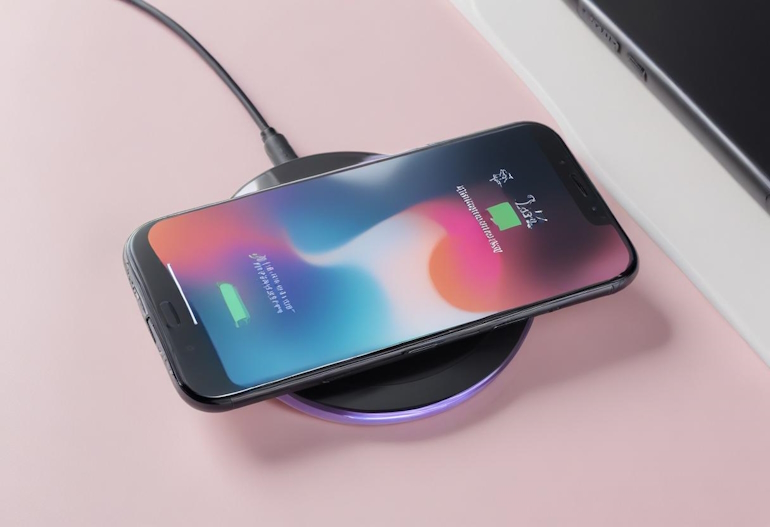
Wireless charging is a technology that allows electrical energy to be transferred from a charger to an electronic device without the need for wires.
This charging method is becoming increasingly popular due to its convenience and modernity. In this short review, we'll take a detailed look at how wireless charging works, its advantages and disadvantages, and its applications. By the way, we've previously covered all the fast charging technologies; you'll probably find this interesting!
Basic Principles of Wireless Charging
Wireless charging is based on the principle of electromagnetic induction, which was described in the mid-19th century. This principle involves creating an alternating magnetic field, which is then used to transfer energy to another coil.
The charging process includes several key stages:
- Energy transferInitially, the charging device, called a charging station or base, contains a coil that generates an alternating magnetic field. This magnetic field is created by passing an alternating current through the coil. The magnetic field propagates through space and interacts with another coil located in the device being charged. Importantly, this field does not require direct contact between the charging station and the device, making the charging process convenient and flexible.
- Energy generationIn the second stage, the charging process involves a coil located in the device to be charged. This coil, located close to the charging station, detects the alternating magnetic field created by the first coil. Using the principle of electromagnetic induction, the magnetic field is converted back into electrical energy. The resulting electrical energy is transferred to the device's battery, charging it. This process is effective when the coils are properly configured and precisely aligned.
- Regulation and managementModern wireless chargers are equipped with built-in control systems that regulate transmission power and monitor various aspects of the charging process. These systems provide protection against overheating, overload, and short circuits, ensuring safe and efficient charging. Modern technologies also include device presence detection features to prevent power transfer if the charger doesn't detect the device's correct position or if it's not compatible.
Benefits of Wireless Charging
Wireless charging offers several significant advantages over traditional wired methods:
- Convenience and simplicityOne of the main advantages is the lack of wires and connectors. Simply place the device on the charging pad, and charging begins automatically.
- Minimizing wear and tear: The absence of physical contact between the charger and the device to be charged reduces wear on the connectors and extends the life of both the charger and the device itself.
- Aesthetics: Wireless charging helps create a cleaner, more organized look for your workspace.
- Versatility: Many modern wireless chargers support the Qi standard, making them compatible with a wide range of devices such as smartphones, smartwatches, and headphones.
- Safety: Modern control systems help prevent overheating and overload, ensuring the safety of the device and the user.
Disadvantages and Limitations
Despite its many advantages, wireless charging also has some disadvantages:
- Less efficiencyWireless charging can be less efficient than wired charging. This is due to energy loss during transmission through air, which can lead to longer charging times.
- Distance limitationChargers have a specific range over which they can effectively transfer power. Devices must be positioned precisely on the charging platform for optimal charging.
- Speed: Wireless charging may take longer than traditional wired charging.
- Price: Wireless chargers and devices that support this technology are often more expensive compared to their wired counterparts.
- Compatibility: For wireless charging, devices must support the corresponding standard, which may limit the use of different devices.
Applications and Future of Wireless Charging
The future of wireless charging promises many improvements. The technology is expected to become more efficient and versatile in the coming years. Research in wireless charging is aimed at improving its efficiency, extending the range of power transfer, and reducing costs. New standards and improved technologies, such as longer-range charging and faster charging methods, could significantly expand the use of wireless charging in various applications.
Wireless charging has become increasingly popular in recent years and cars. Many modern car models are equipped with wireless charging systems that allow you to charge smartphones and other devices while driving. This is especially convenient for drivers, who can keep their devices charged without the need for cables, helping keep the car tidy and clean.
Wireless charging represents a significant advance in power transfer technology, providing convenience and flexibility across a wide range of devices. Every year, this technology becomes more accessible and efficient, opening up new opportunities for users and developers.
Conclusion
Wireless charging is an innovative solution for charging electronic devices, offering convenience and cutting-edge technology. While this technology has its limitations, its advantages make it attractive to users who value simplicity and efficiency. As technology advances, wireless charging will become even more widespread and sophisticated in the future.