

What is the difference between government and parliament?
The government differs from parliament in the type of power it exercises: parliament is the legislative branch that makes laws and controls the government, while

The government differs from parliament in the type of power it exercises: parliament is the legislative branch that makes laws and controls the government, while
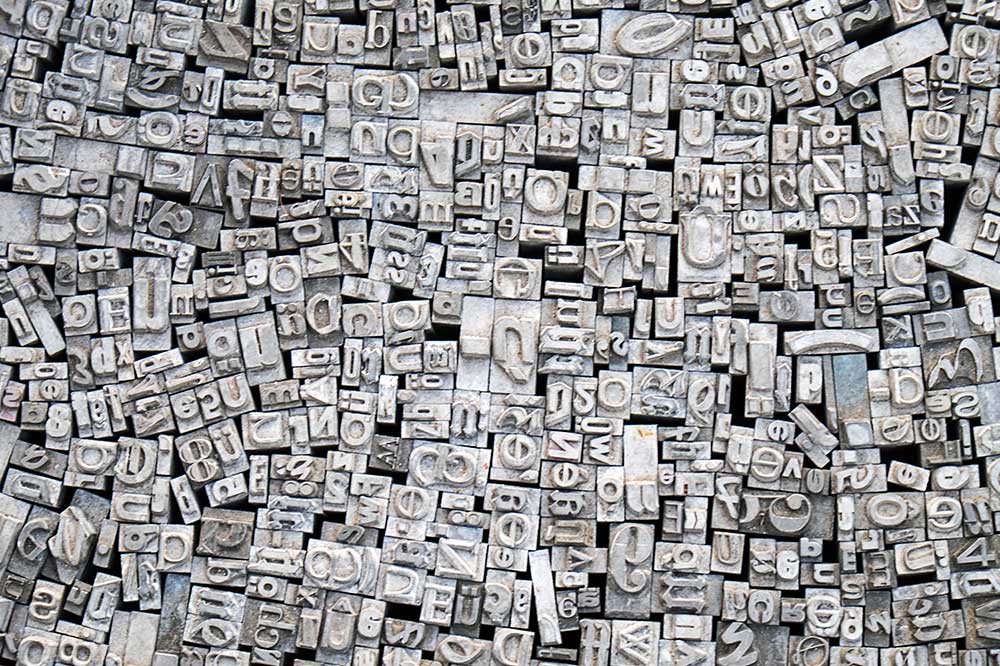
In everyday speech, a word and an expression mean almost the same thing, but in linguistics, a word is a sequence of letters,

A parliamentary act is a generally applicable law adopted by the Seimas (the lower house of parliament) with the participation of the Senate and the President. A resolution is an act,

Wool is the raw material, the fiber from sheep's wool and the wool of some other animals, and yarn is the finished, loosely twisted

The plot is the totality of events presented in a work, while the action is that part of it that unfolds in real life.
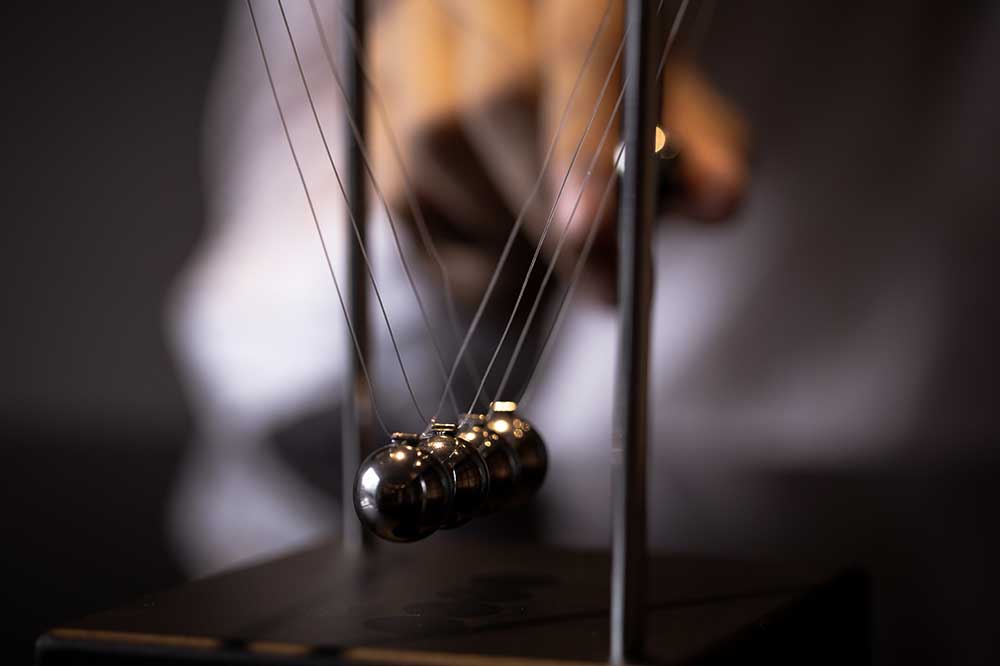
Kinematics describes how a body moves (position, velocity, acceleration, trajectory) without asking about the causes of the motion, while dynamics

Single-phase gels combine the functions of a base coat, a repair gel and a top coat in one product, while two-phase systems

Serial data transmission is done bit by bit, one bit at a time, over a single transmission line, whereas parallel transmission transmits several or a dozen

A seasonal river flows regularly at the same time of year (usually during the rainy season), whereas an episodic river

A simple sentence has one predicate, while a complex sentence has at least two, since it consists of two or more components.

An order is a community of people living according to a common rule and vows, and a monastery is a building or complex of buildings in

Bread differs from buns primarily in size and purpose: bread is a large loaf cut into slices, while a bun is

Drawing differs from painting primarily in its means of expression: in drawing, the image is created with lines, strokes and tone (brightness), usually with the help of
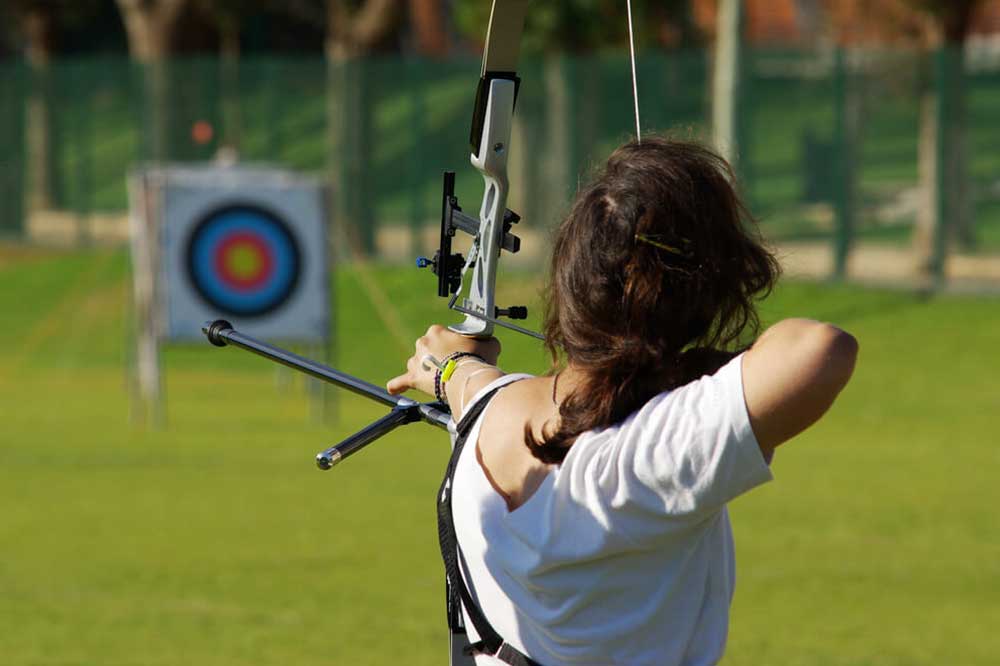
In a compound bow, blocks (cams) are located at the ends of the limbs, connected by cables, which at the end of the draw reduce the force required to hold the bow.

An accordion is a chromatic bellows instrument, where each key produces the same sound when the bellows are pulled and compressed. Traditional accordion
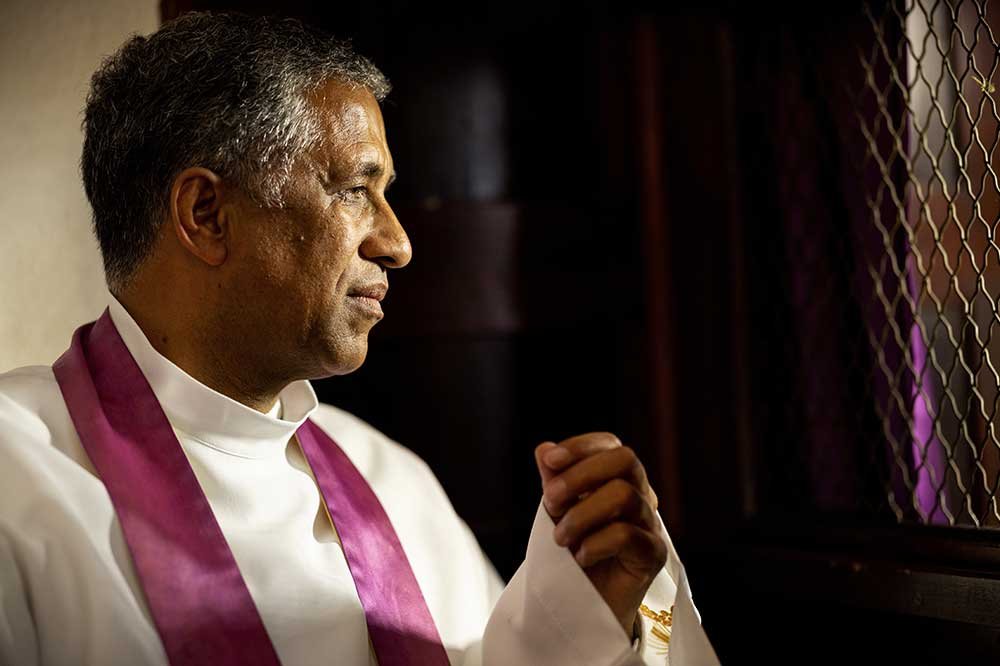
In the Polish tradition, a «priest» is most often a diocesan priest, subordinate to a bishop and working in a parish, and a «father» is
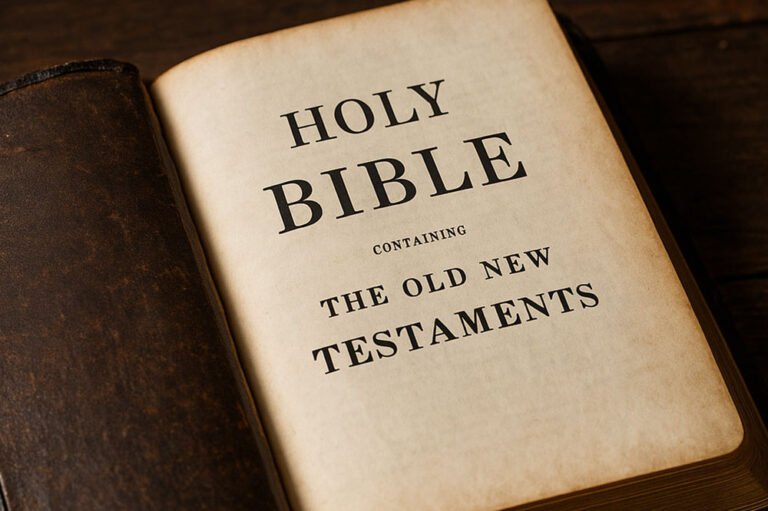
The Catholic Bible differs from the Protestant Bible primarily in the content of the Old Testament: the Catholic Bible contains 73 books, while the Protestant Bible contains 66,

The larva is the active stage of an insect's development, during which it feeds and grows, and the pupa is the subsequent stage

Mass is a measure of the amount of matter and inertia of a body, and weight is the force with which gravity attracts that body.
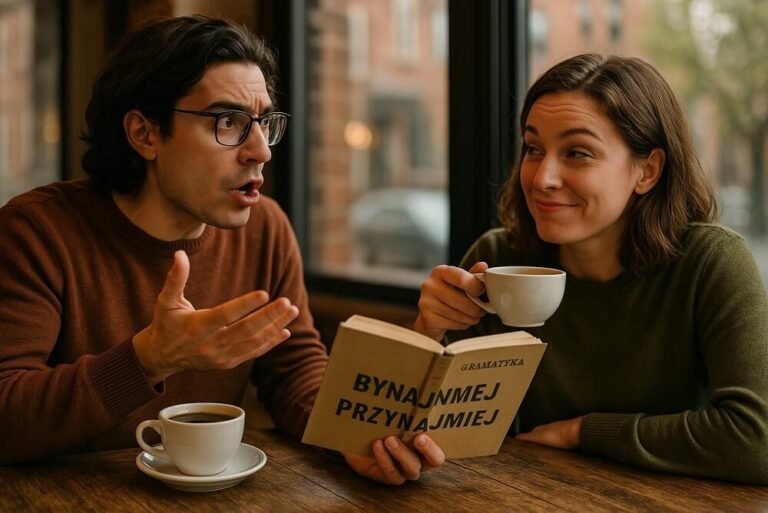
«By no means» strengthens the negative and means «not at all», «not at all», while «at least» means «at least”

An island differs from a continent primarily in size and structure: a continent is a vast land mass consisting of continental crust and occupying

Criminology studies crime as a social phenomenon—it asks why people commit crimes and how to prevent them—in

A phoneme is the quietest sound of speech that we hear and pronounce, and a letter is a generally accepted graphic symbol used