

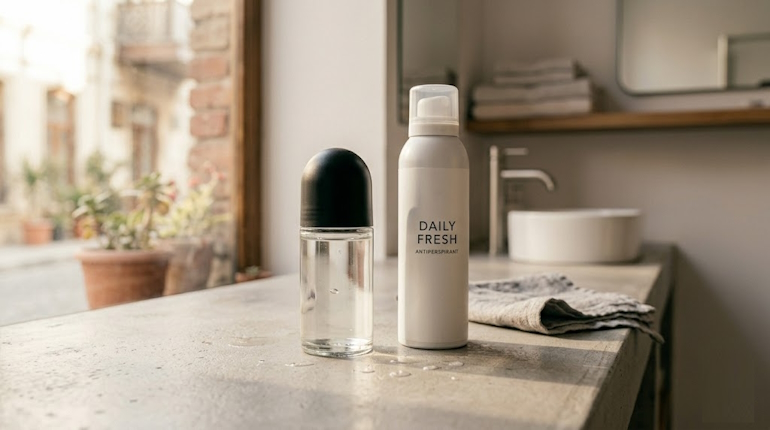
Deodorant and antiperspirant These are fundamentally different cosmetic products, although they are often confused when purchasing. The main difference lies in their mechanism of action: the former neutralize unpleasant odor, while the latter temporarily block sweat secretion.
Understanding these physiological characteristics helps you choose the right product for everyday hygiene, intense sports training, or stressful situations.
The mechanism of action of deodorants
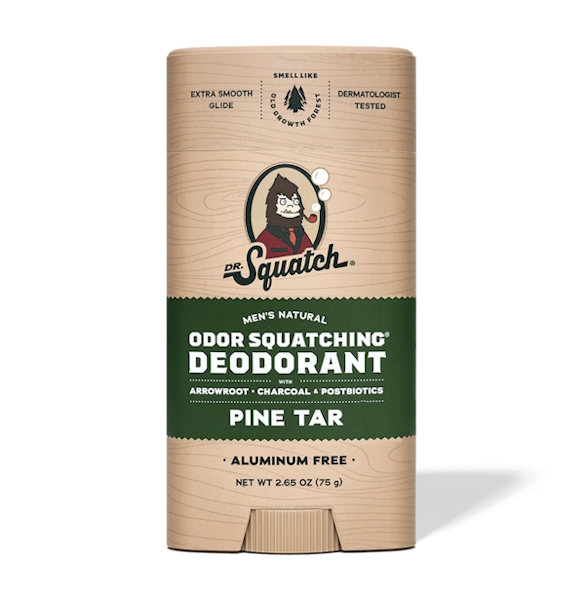
Human sweat itself consists mainly of water and salts, so it has virtually no specific odor.
The characteristic pungent odor is caused by bacteria that thrive in the moist, warm environment of the armpits. Deodorants contain antibacterial ingredients, such as alcohol or special acids, as well as fragrances that specifically inhibit the growth of microorganisms and mask the odor with a fresh scent without interfering with the body's natural thermoregulation process.
Origin of the word:
-
Deodorant — from English deodorant (Where de- means removal, and odor - smell).
How do antiperspirants work?
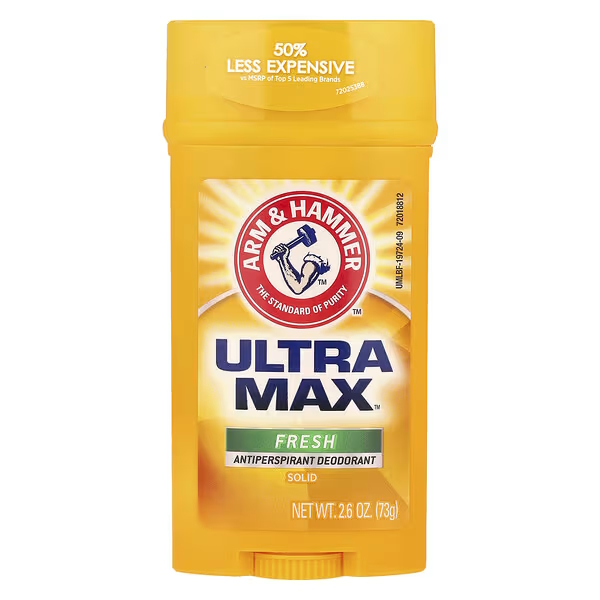
Antiperspirants work in a completely different way, interfering directly with the physiology of sweating.
They contain aluminum or zirconium salts, which, when in contact with moisture on the skin, form a temporary gel-like plug that constricts the apocrine glands. This blocking effect prevents moisture from being released onto the epidermal surface, keeping the armpits dry and preventing the development of a favorable environment for bacterial growth.
Origin of the word:
- Antiperspirant — from English antiperspirant (Where anti- means against, and perspire — to sweat).
Visual comparison of funds
To clearly understand the key differences between these two types of hygiene products, it's important to compare their basic characteristics. The key parameters that influence safety and consumer choice are presented in the table.
| Characteristic | Deodorant | Antiperspirant |
| Main function | Odor elimination | Sweat blocking |
| Active ingredients | Antiseptics, perfumes | Aluminum and zirconium salts |
| Time of action | From 3 to 12 hours | From 24 to 72 hours |
| Effect on glands | It doesn't affect | Temporarily narrows the ducts |
Product selection criteria
Choosing the right cosmetic product directly depends on your level of physical activity and individual body characteristics. Dermatologists offer several basic recommendations for choosing the right format for everyday use:
-
The deodorant is ideal for people with moderate sweating and for quiet office work.
-
Antiperspirant is indispensable in cases of diagnosed hyperhidrosis, active strength training, or before important public speaking.
-
Combination formats (deodorants-antiperspirants) combine both properties, providing long-lasting dryness and a pleasant perfume trail.
Safe application guidelines
Maximum effectiveness and safety of any hygiene product are achieved only by following clear instructions. To avoid skin irritation and achieve the manufacturer's stated results, it's essential to follow a strict procedure:
-
Take a shower and thoroughly cleanse the underarm area using soap or gel.
-
Dry your skin completely with a clean towel, as the active ingredients of sweat blockers lose their properties on damp skin.
-
Apply the product in a thin layer and wait until it is completely dry before contact with clothing fabric.
Results
Ultimately, the choice between an odor neutralizer and a sweat blocker comes down to personal needs and lifestyle.
- For those who lead a measured daily routine and simply want to freshen up, a light spray with an antibacterial effect is quite sufficient.
- If your priority is total protection against wet stains on clothing during a long workday, you should opt for a product containing aluminum salts, while also following a regular skin cleansing regimen before bed.
DisclaimerAluminum salts can cause contact dermatitis, itching, and sweat gland blockage (hidradenitis suppurativa) if not rinsed properly. Scientific myths about causing breast cancer or Alzheimer's disease have been debunked by leading medical organizations.