

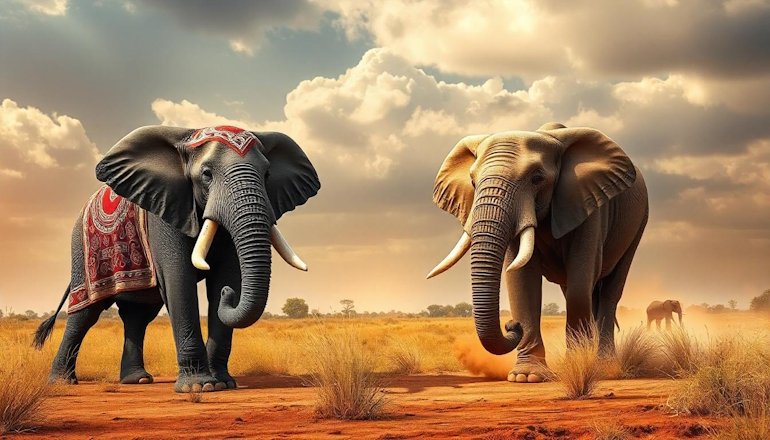
Indian and African elephants — two of the largest land animals on Earth, but they have significant differences, both external and biological.
These differences go beyond simple geographic distribution and encompass aspects of anatomy, behavior, and strength. To understand which of these animals is stronger and how they differ, let's delve into the details and examine specific facts.
Anatomical differences
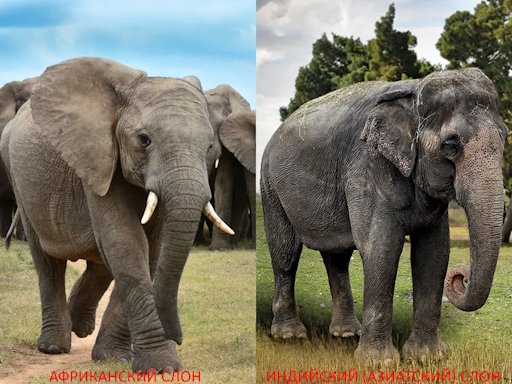
The first thing that catches the eye when comparing Indian and African elephants is the difference in their appearance.
- Size and weight. African elephants (Loxodonta africana) are noticeably larger than their Indian relatives (Elephas maximus). The average African elephant can weigh between 4 and 7 tons and reach a shoulder height of up to 3-4 meters. Indian elephants, on the other hand, typically weigh around 2.5-5 tons and stand up to 2-3 meters tall. This makes the African elephant the largest land mammal in the world.
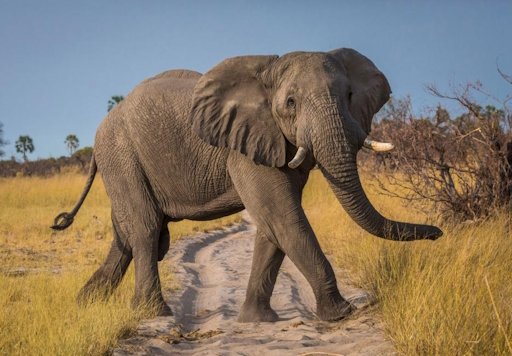
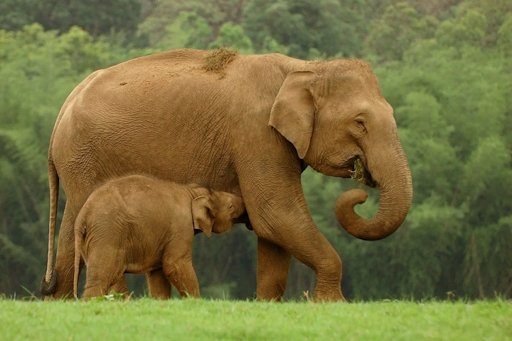
- Ears. The African elephant's ears are significantly larger than those of the Indian elephant. They resemble the shape of the continent of Africa and serve not only to improve body cooling but also for communication. Indian elephants have smaller, rounded ears, which are less helpful for thermoregulation.
- Tusks. Both male and female African elephants have tusks, while Indian elephants typically only have tusks in males, while females either lack tusks or have very weak tusks. Tusks are used for self-defense, digging, and other practical purposes.
- Trunk. The African elephant has a trunk with two appendages at the end, allowing it to grasp objects more precisely. The Indian elephant has only one appendage, making its trunk slightly less functional for manipulation.
African elephant:
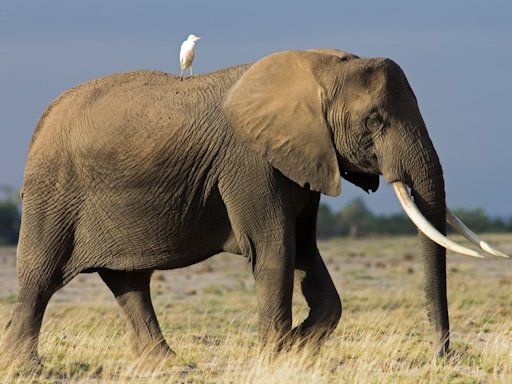
Indian (Asian) elephant:
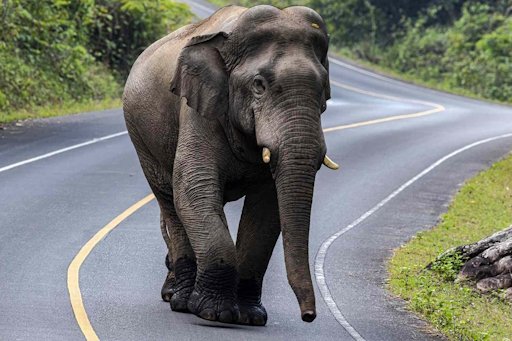
Differences in behavior and habitat
- Habitat. African elephants live in a variety of environments, from dense forests to open savannas, and even in some semi-deserts. Indian elephants prefer forests and tropical jungles and are found in India, Sri Lanka, Thailand, and other countries in Southeast Asia.
- Social behavior. African elephant herds are typically larger, consisting of 10-12 individuals, sometimes reaching up to a hundred. Indian elephants tend to live in smaller groups, often matriarchal families of up to 6-8 individuals.
- Diet and foraging behavior. Although both species are herbivores, their diets can vary slightly depending on their environment. African elephants are more versatile, feeding on both grasses and tree leaves. Indian elephants prefer grasses and fruits, but can also consume tree bark.
African elephant:
Indian (Asian) elephant:
Who is stronger?
The issue of strength between African and Indian elephants is quite complex, as strength can be measured in different ways.
- Physical strength. In purely physical terms, the African elephant, being larger and heavier, possesses greater strength. It can carry heavier loads and demonstrates greater force in propelling objects using its trunk and tusks.
- Endurance. The Indian elephant, although smaller and heavier than the African elephant, possesses exceptional endurance. This quality is exploited in its training and use in economic activities, particularly in the logging industry, where elephants can carry heavy logs over long distances.
- Aggressiveness. African elephants are considered more aggressive, especially when they feel threatened. They are more likely to engage in conflict with other animals or people. Indian elephants, although they can also be dangerous, especially during mating season, generally exhibit a calmer demeanor.
Conclusion
Indian and African elephants represent two different approaches to survival in the wild, despite their common features.
African elephants are larger and more powerful, making them physically stronger. However, Indian elephants stand out for their endurance and trainability, allowing humans to use them for a variety of tasks. The differences between these two elephant species not only illustrate their unique adaptations to their environments but also help us understand the importance of each of these giants in the ecosystems they inhabit.