

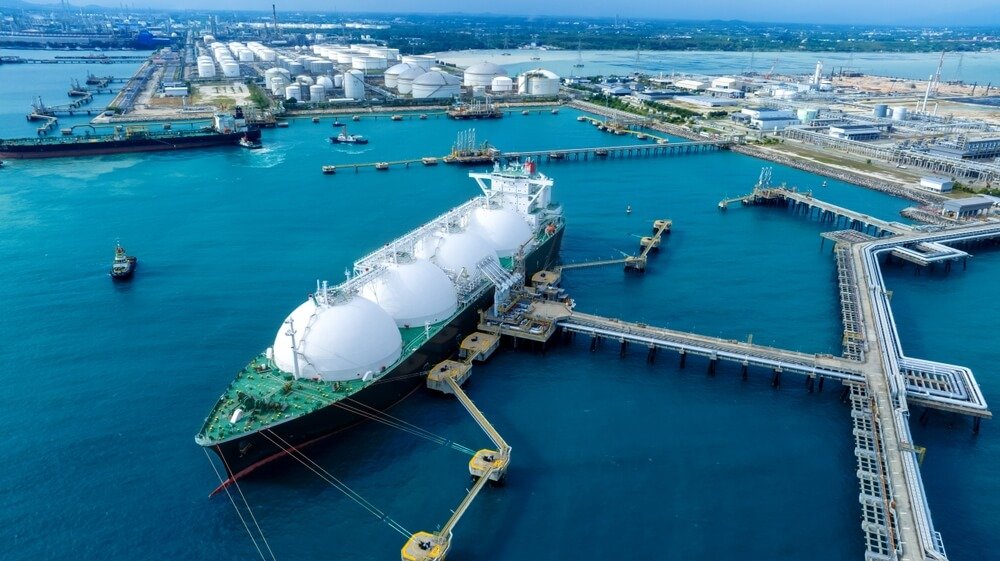
Liquefied petroleum gas (LPG) and propane-butane are essentially the same type of fuel: LPG is a liquefied hydrocarbon mixture whose main components are propane and butane. The differences lie in the ratio of these two gases, which determines the fuel's behavior at low temperatures. Therefore, in winter, it's better to use pure propane or a propane-rich mixture, while for a home stove, a standard propane-butane cylinder is sufficient.
To sum it up
- Liquefied petroleum gas ( CIS ) is the general name for liquefied gas, the main components of which are propane and butane.
- «Propane-butane» — is the commercial name for the same mixture, for example, in cylinders for stoves and grills; autogas at filling stations is also called liquefied petroleum gas (LPG).
- Boiling point propane is approximately -42°C, butane — approximately -0.5°C. The more propane, the better the gas evaporates when freezing.
- Liquefied petroleum gas heavier than air , so cylinders containing it cannot be stored in the basement.
Are liquefied petroleum gas (LPG) and propane-butane the same thing?
Yes, the names describe the same fuel from different perspectives. Liquefied petroleum gas (CIS) - is an abbreviation for «liquefied petroleum gas» . It is obtained, in particular, by refining crude oil. Its main components are propane и butane (n-butane and isobutane), as well as a small admixture of other hydrocarbons.
Term «propane-butane» Most often found on cylinders for stoves, heaters, and burners. "Autogas," in turn, refers to liquefied petroleum gas (LPG), intended for refueling automobile engines. Polish standards distinguish several types of liquefied petroleum gas, depending on their proportions: technical butane (with a predominance of butane), mixture of propane and butane и technical propane (with a predominance of propane).
Propane or propane-butane? Differences in properties.
The most important difference for the user is boiling point , the point below which a gas ceases to evaporate from a liquid state. Propane boils at approximately -42°C , butane - at approximately -0.5°C . The boiling point of a mixture of propane and butane is somewhere between these values, depending on the proportions of the components.
In practice this means that butane evaporates poorly at sub-zero temperatures . A cylinder with a high butane content left outside during the winter may not deliver gas, even if it still contains fuel. Therefore, above-ground gas cylinders for home heating, located outside the building, are filled with propane.
In practice, gases of various compositions are available: from technical propane , where propane makes up the overwhelming majority (at least 90%), up to technical butane , containing at least 95% butane. A mixture of propane and butane is an intermediate value. You can always check the composition of the gas you purchase on the cylinder or in the supplier's documentation.
Autogas in winter and summer
The composition of liquefied petroleum gas (LPG) for vehicles varies depending on the season. In winter, the share propane Increases to maintain sufficient pressure in the tank and facilitate engine starting at low temperatures. In summer, the propane content can be reduced, as butane evaporates more easily. Autogas quality requirements are determined by the standard. PN-EN 589 and fuel quality regulations that take into account seasonal changes in the mixture.
Comparison table: propane, butane and propane-butane mixture.
| Characteristic | Propane | A mixture of propane and butane (liquefied petroleum gas) | Butane |
|---|---|---|---|
| Boiling point | approximately -42°C | from -42°C to -0.5°C depending on the composition. | approximately -0.5°C |
| Working in the cold | Very good | Depends on the propane content. | Weak |
| Typical areas of application | Home heating tanks, outdoor use in winter. | Gas cylinders for stoves, autogas, grills. | Cartridges, lighters, camping burners |
| Weight relative to air | Heavier | Heavier | Heavier |
| Smell | Commercial gas is odorized to detect leaks. | ||
Safety when using propane and butane
Liquefied petroleum gas heavier than air . In the event of a leak, it doesn't rise upwards, but accumulates near the floor and in the lowest areas, where it can form an explosive mixture with air. For this reason, the State Fire Service reminds that cylinders and equipment powered by liquefied petroleum gas , cannot be placed in basements or premises with floors below ground level.
- Store the cylinder in a well-ventilated place, away from heat sources, open flames and electrical appliances.
- Check the tightness of the connections with a soap solution - do not use open flames under any circumstances .
- Check the condition of the hose and regulator and replace any worn parts.
- When using a stove or heater, ensure the room is well ventilated.
- If you smell gas: turn off the gas cylinder valve, extinguish all open flames, do not turn electrical appliances on or off, open windows, leave the room and call 911. 112 .
Burning gas in a poorly ventilated area also carries a risk of poisoning. carbon monoxide , which is odorless. Do not use gas appliances outdoors in enclosed spaces and consider installing a carbon monoxide detector.
Gas installations in homes and vehicles must be installed and serviced by an authorized professional in accordance with the manufacturer's instructions.
Which gas should I choose?
- Home stove or heater - standard cylinder with propane and butane.
- The house is heated by an external tank. - propane, which also evaporates in frosty weather.
- A grill, burner, or heater used outdoors in winter - a cylinder containing propane or a mixture in which propane predominates.
- Automobile Liquefied petroleum gas (LPG) is purchased at a gas station; its composition varies depending on the season.
Frequently Asked Questions (FAQ)
Is LPG propane-butane?
Yes. Liquefied petroleum gas (LPG) is a liquefied petroleum gas whose main components are propane and butane. "Propane-butane" is the commercial name for this mixture, and autogas is LPG designed for use in engines.
Is propane better than a mixture of propane and butane?
This isn't a universal advantage—it works better at low temperatures, as it evaporates even in extreme cold. In the kitchen, a standard propane-butane mixture is sufficient.
Why doesn't my gas cylinder work in cold weather?
The butane in the mixture boils at approximately -0.5°C, so it evaporates poorly at low temperatures. A solution might be to use a propane cylinder or store the cylinder in a cool place—but never in a basement.
Why can't gas cylinders be stored in the basement?
Propane-butane is heavier than air. The released gas accumulates near the floor and in low-lying areas, where it can form an explosive mixture.
What should you do if you smell gas from a cylinder?
Turn off the valve, extinguish the flame, do not use switches or electrical appliances, ventilate the room, and leave. Then call 112.
See also
- What is the difference between boiling and evaporation?
- What is the difference between calorific value and heat of combustion?
- What is the difference between peas and eco peas?
- What is the difference between E5 and E10 gasoline?