

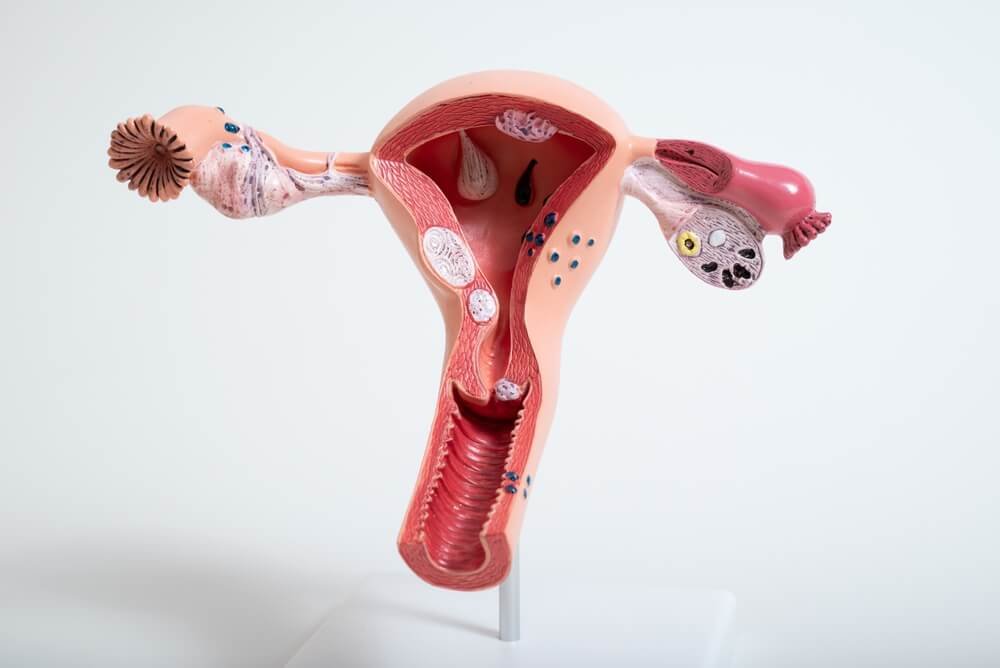
Hysteroscopy differs from curettage mainly in that the doctor examines the internal cavity of the uterus through a camera and performs the operation under visual control, whereas curettage (abrasion) involves scraping the mucous membrane with an instrument without direct visual control. Both procedures allow for the collection of material for histopathological examination and the removal of tissue from the uterine cavity, but they differ in accuracy, indications, and the risk of certain complications. The choice of method is always made by a gynecologist; this text is intended solely to help understand the differences.
To sum it up
- Hysteroscopy - This is an endoscopic procedure: an image of the inside of the uterus is displayed on a monitor, and tumors can be removed intentionally.
- Scraping It is performed «blindly»: after dilating the cervix, the doctor scrapes the mucous membrane with a curette.
- Curettage allows for obtaining more material, but hysteroscopic biopsy is better suited for detection focal lesions , for example, polyps.
- Risk formation of intrauterine adhesions after hysteroscopy is lower than after curettage.
Hysteroscopy and curettage are the most important differences.
The key difference is visual inspection . During a hysteroscopy, a thin optical instrument—a hysteroscope—is inserted into the uterine cavity through the vagina and cervical canal. The uterine cavity is filled with fluid (usually saline), allowing the doctor to see a magnified image of the uterine mucosa, the openings of the fallopian tubes, and any changes on a monitor.
During curettage, the doctor cannot see the interior of the uterus. After measuring the cavity with a probe and dilating the cervix with dilators (called Hegar dilators), the doctor inserts a curettage device and scrapes the mucous membrane from the uterine walls. The procedure is effective for "emptying" the uterine cavity, but is less precise when removing a specific, small lesion—it may be missed.
What is hysteroscopy?
Hysteroscopy is minimally invasive endoscopic procedure . There are two types of such procedures:
- Diagnostic hysteroscopy – used to evaluate the uterine cavity and collect samples; sometimes it is performed on an outpatient basis (so-called office hysteroscopy), without anesthesia or with the use of sedatives;
- Operative (procedural) hysteroscopy – allows for the removal of polyps, submucous fibroids, adhesions, or uterine septum; it is usually performed under short-term general anesthesia in an inpatient setting.
Indications for the procedure include abnormal vaginal bleeding, suspected polyps or endometrial hyperplasia based on ultrasound, uterine defects, suspected adhesions, infertility testing, residual effects of miscarriage, or displacement of an intrauterine device. Most often, the procedure is planned in first half of the cycle , before ovulation, when the uterine lining is at its thinnest.
What is curettage (abrasion)?
Curettage of the uterus includes removal of contents from the uterine cavity or its emptying Using sterile instruments—for diagnostic, therapeutic, or combined purposes. The procedure is brief and performed under brief intravenous anesthesia. The collected material is sent for histopathological examination.
Curettage is used for conditions such as heavy or prolonged bleeding of unknown etiology, postmenopausal bleeding and spotting, suspected endometrial hyperplasia or polyps, and after an incomplete or missed miscarriage when medical treatment has proven ineffective. Sometimes both procedures are combined: the doctor first examines the uterine cavity with a hysteroscope and then takes a sample.
Comparison Chart: Hysteroscopy vs. Curettage
| Characteristic | Hysteroscopy | Curettage |
|---|---|---|
| Visual inspection | Yes – image from the camera on the monitor. | No - it's a blind procedure |
| Tool | Hysteroscope (endoscope) | Probe, dilators, curette |
| Accuracy when changing focal length. | Higher level - the lesion is removed intentionally. | Lower limit - change can be omitted |
| Volume of loaded material | Deliberate logging | More endometrium |
| Anesthesia | Diagnostic procedures: often with or without sedation; surgical procedures: usually general anesthesia. | Short-term intravenous anesthesia |
| Risk of adhesion formation | Less | Large sizes (especially after a miscarriage or childbirth) |
| Possibility of treatment during | Yes – polyps, fibroids, adhesions, septum | Emptying the uterine cavity, collecting contents. |
Which is better: hysteroscopy or curettage?
There is no single answer for all patients - the method depends on the indications, age, health condition and medical institution. focal lesions , For such endometrial polyps, hysteroscopy is preferable: the sensitivity of a biopsy taken under visual guidance is higher, while curettage is more likely to result in incomplete removal of the polyp. Therefore, diagnostic curettage is performed less frequently today than in the past.
Curettage is still a useful procedure, for example, when a larger volume of tissue needs to be removed or when the uterine cavity needs to be evacuated after a miscarriage. If you have any concerns, ask your doctor directly why they recommend this method, whether a hysteroscopy is an option, and what the risks are in your situation.
Possible complications and return to activity
Both procedures are considered safe, and serious complications are rare. Potential complications include bleeding, infection (including pelvic inflammatory disease), perforation of the uterine wall, and, after hysteroscopy, fluid leakage into the bloodstream. The particular risk with curettage, especially after miscarriage or childbirth, is associated with with intrauterine adhesions (Asherman's syndrome).
After an outpatient hysteroscopy without general anesthesia, you usually return home shortly afterward. After a procedure under general anesthesia—both surgical hysteroscopy and curettage—it's recommended to follow a light diet for several days, avoiding sexual intercourse and heavy lifting. Your doctor will provide you with detailed instructions. Severe pain, heavy bleeding, or fever after the procedure require immediate medical attention.
Frequently Asked Questions (FAQ)
Is hysteroscopy the same as curettage?
No. Hysteroscopy is an endoscopic procedure that displays the uterine lining on a monitor, while curettage involves scraping the uterine lining without visualization. Sometimes, the doctor performs both procedures under the same anesthesia.
Is hysteroscopy painful?
Surgical hysteroscopy is usually performed under general anesthesia, so the patient will not feel anything. Diagnostic hysteroscopy, performed in the doctor's office, may cause discomfort or cramping similar to menstrual cramps; the doctor may use pain medications, sedatives, or local anesthesia.
How long does hysteroscopy and curettage take?
Both procedures are short, typically lasting from a few to several dozen minutes, depending on the extent of the procedure. This time also includes preparation and observation after anesthesia.
Is it better to remove a polyp using a hysteroscopic method?
According to medical sources, hysteroscopic polyp removal is a more precise method because it is performed under visual control. Curettage carries a higher risk of incomplete removal. The final decision is made by a gynecologist.
When is the best time to perform a hysteroscopy?
It is most often planned in the first half of the cycle, after menstruation and before ovulation, when the uterine lining is at its thinnest. The date is determined by the attending physician.
See also
- What is the difference between a procedure and an operation?
- What is the difference between castration and sterilization?
- What is the difference between white and red surgery?
- How are pregnancy symptoms different from menstruation symptoms?