


Working with sources of ionizing radiation requires a high level of responsibility and strict adherence to safety measures. To ensure legal access to such work and safe working conditions, appropriate training is essential. Radiation safety courses are not just a formality but an essential step in the training of specialists involved in radiation-hazardous processes. This is especially relevant for workers in the medical, industrial, transport, and customs sectors, as well as those involved in radiation monitoring and personnel and environmental protection.
Why is radiation safety training necessary?
Radiation safety training is essential for anyone who comes into contact with sources of ionizing radiation in their professional activities. It is a mandatory legal requirement aimed at protecting the health of employees and preventing radiation accidents. Educational programs enable students not only to comply with regulations but also to competently assess risks, maintain documentation, conduct radiation monitoring, and use personal protective equipment.
A variety of radiation safety courses
Depending on the nature of the work performed and the category of worker, there are different areas of advanced training. All are aimed at developing the competencies necessary for performing duties under conditions of exposure to ionizing radiation. Here are the most popular courses:
- Person responsible for radiation safety and radiation control at the enterprise
The training is aimed at specialists responsible for organizing and monitoring radiation safety systems at facilities using radiation sources. The program covers regulations, dosimetry, record keeping, and protective measures. - Radiation safety and radiation control when working with sources of ionizing radiation (Group A personnel)
This course is intended for workers who work directly with ionizing radiation sources and fall into the Group A category. Particular attention is paid to radiation monitoring, regulatory requirements, and radiation prevention measures. - Radiation safety and radiation protection of personnel and patients during X-ray procedures
This course is designed for medical personnel—radiologists, lab technicians, and assistants. Participants will gain knowledge about patient and staff protection, dose calculations, and the specifics of using protective equipment in medicine. - Radiation safety when handling radiation inspection equipment
The training is relevant for aviation security, customs, and logistics personnel who use screening equipment. The program covers the basics of the equipment's design, operating procedures, and radiation dose monitoring. - Radiation safety when handling banknotes with radiation contamination
A specialized course for specialists handling cash in the event of radiation contamination. The training covers procedures, disposal, documentation, and interaction with regulatory authorities.
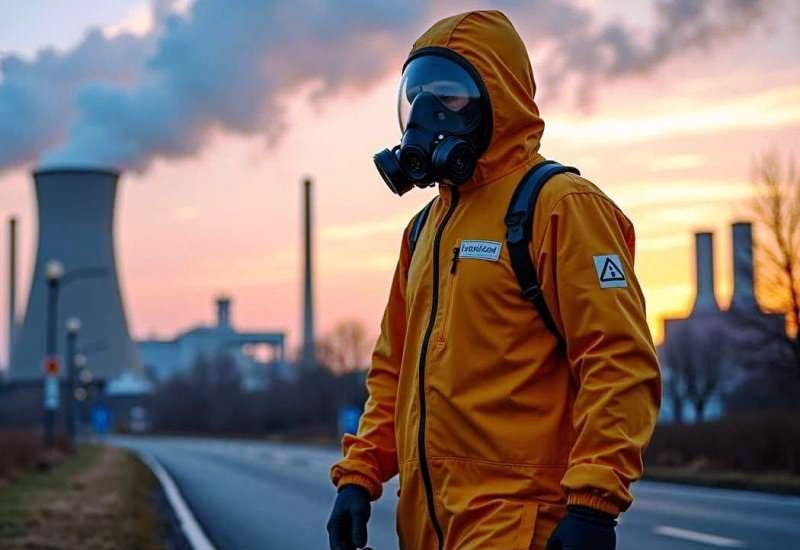
Format and duration of training
All courses are advanced training programs. They can be completed remotely, making them especially convenient for busy professionals. No time off from work is required; all materials are available online, allowing you to study in your free time.
Courses are held at licensed educational institutions, such as the Unified Center for Training and Retraining (UCTR). Program duration varies by course, but typically ranges from 16 to 72 academic hours.
Upon completion of the training, students take a final assessment and receive a certificate of advanced training. This certificate is valid for five years, after which they must undergo re-training.
Why choose distance learning at ECOP
- Convenient format—distance learning is available from anywhere in Russia.
- Legitimate documents—all identification documents comply with legal requirements and are accepted during inspections by regulatory authorities.
- Competent instructors—the course is taught by specialists with practical experience in radiation safety.
- Legal support – the center, if necessary, helps prepare the necessary documentation for working with individual entrepreneurs.
- Document delivery: Completed ID cards can be picked up in person at our St. Petersburg office or delivered by mail.
Who needs to take radiation safety courses?
- For healthcare workers (radiologists, laboratory technicians, MRI and CT operators)
- For specialists of industrial enterprises using ionizing radiation sources
- To security and inspection personnel
- For laboratory and research center personnel
- For radiation control specialists
- To the heads of departments responsible for radiation safety

Conclusion
Continuing education in radiation safety is not just a legal requirement but also a professional responsibility. The safety of staff, patients, and the environment depends on the knowledge and skills of specialists.
By training at reputable centers like ECOP, you not only receive the necessary documents but also the confidence that your professional activities meet the highest safety standards.