

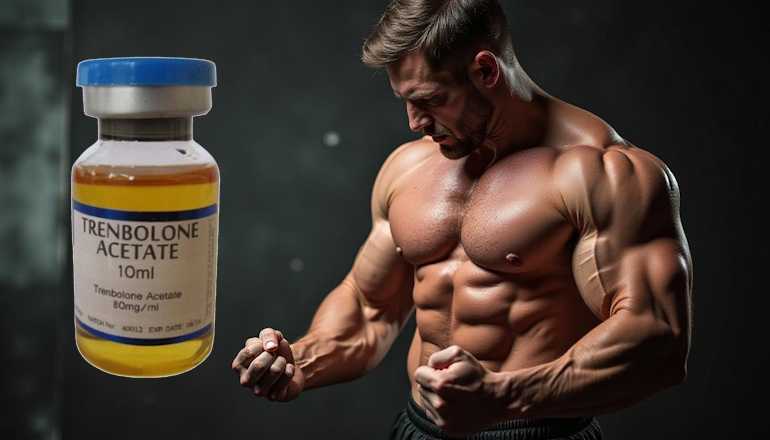
Anabolic steroid — these are synthetic substances similar in their structure and action to the male hormone testosterone.
Their primary function is to stimulate muscle growth, accelerate tissue repair, and improve physical performance. However, steroid use extends beyond the sports industry—they are also used in medicine to treat a number of ailments. Nevertheless, anabolic steroids attract attention primarily for their ability to improve muscle mass and physical strength, making them popular among athletes and bodybuilders.
The main mechanism of action

Anabolic steroid They affect the body through androgen receptors found in muscle tissue. These substances bind to the receptors, triggering a chain of biochemical reactions that lead to increased protein synthesis in the muscles. As a result, muscles increase in volume, become denser, and more resilient. This not only improves physical performance but also accelerates recovery from training and injuries.
For example, an athlete taking steroids may notice a significant acceleration in muscle recovery after intense training, allowing them to train more frequently and with greater intensity. Studies show that steroid use can increase muscle mass by 5-7 kg in a short period of time.
If you're interested in this topic, check out our full review of all anabolic steroids used in bodybuilding. There you'll find a comprehensive list of every steroid ever used in bodybuilding.
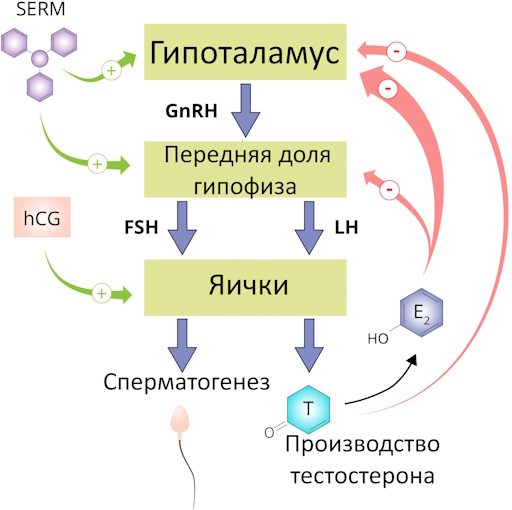
Symbols on the diagram of testosterone production in men:
- SERM – Selective estrogen receptor modulators. This is a group of drugs that can either block or activate estrogen receptors in various tissues of the body.
- Hypothalamus – an area of the brain that controls many important functions of the body, including hormonal balance.
- GnRH – gonadotropin-releasing hormone. This is a hormone that stimulates the pituitary gland to produce luteinizing hormone (LH) and follicle-stimulating hormone (FSH).
- Anterior pituitary gland – an endocrine gland that produces various hormones, including LH and FSH.
- hCG – human chorionic gonadotropin. This hormone is produced by the placenta during pregnancy and can be used medically to stimulate the ovaries and testes.
- FSH – follicle-stimulating hormone. Stimulates ovarian follicle growth in women and spermatogenesis in men.
- LH – luteinizing hormone. Stimulates testosterone production in the testicles in men and ovulation in women.
- Testicles – male sex glands that produce sperm and testosterone.
- Spermatogenesis – the process of sperm formation.
- T – testosterone. The male sex hormone responsible for the development of secondary sexual characteristics and sexual desire.
- E2 – estradiol. Female sex hormone.
Related articles on this topic:
- Muscle Growth Supplements: Anabolic Effects and Testosterone
- Testosterone Boosting Supplements: Bodybuilding Supplements
- What is Testosterone?
Here's how the testosterone production scheme above works:
- Hypothalamus secretes GnRH, which stimulates the anterior pituitary gland.
- Anterior pituitary gland under the influence of GnRH, it releases FSH and LH.
- FSH stimulates spermatogenesis in the testicles.
- LH stimulates the Leydig cells of the testicles to produce testosterone.
- Testosterone has a feedback effect on the hypothalamus and pituitary gland, suppressing the production of GnRH, LH and FSH.
- Estradiol (converted from testosterone) also has feedback effects on the hypothalamus and pituitary gland.
- SERM can influence this system, either enhancing or weakening the action of estrogens.
- hCG can be used to stimulate testosterone production.
Effect on metabolism
One of the key effects of anabolic steroids is an increase in the body's metabolic activity. They promote increased red blood cell production, which improves oxygen delivery to tissues. This contributes to increased endurance, which is especially important for athletes involved in endurance sports such as running or cycling. Increased metabolism also leads to more efficient utilization of nutrients such as protein and carbohydrates, which ultimately promotes muscle growth and fat loss.
Fact: Research shows that anabolic steroids increase muscle mass and decrease body fat by 1-2% within a few weeks of use.
Steroids and hormonal background

Anabolic steroids directly affect the human endocrine system. With prolonged use, the body reduces its own testosterone production, which can lead to a number of side effects. After discontinuing steroid use, natural hormone levels can be slow to recover, often requiring the use of supplements. post-cycle therapy (PCT). PCT is necessary to minimize negative consequences and normalize hormone levels.
For example, someone using steroids for several months may experience decreased production of testosterone and other androgens. This manifests as decreased libido, depression, and may also lead to the development of gynecomastia—the enlargement of the breasts in men.
Anabolic and androgenic effects

Anabolic steroid have two main types of effects: anabolic and androgenic. Anabolic effect The anabolic effect is associated with muscle growth and improved physical strength, while the androgenic effect is associated with sexual characteristics such as hair growth, voice deepening, and aggressive behavior. Depending on the drug, the proportions of these effects may vary. Some steroids have a more pronounced anabolic effect, while others have a stronger androgenic effect.
Fact: Steroids such as Oxandrolone are more commonly used for muscle building because they have low androgenic effects, which reduces the risk of side effects associated with hormonal changes.
Do steroids affect people differently?

When a person takes steroids such as testosterone or methandrostenolone, their action begins by interacting with androgen receptors in muscles. These receptors play a key role in the anabolic process, as they are the pathways through which steroids initiate protein synthesis, which promotes muscle growth. However, the number of receptors in muscles varies from person to person.
This explains why some athletes may experience effects with low doses of steroids, while others may require higher doses to achieve the same effect.
Moreover, the response to steroids can depend not only on the number of receptors but also on genetic factors, baseline testosterone levels, metabolism, and overall health. A person with a high number of receptors in their muscle cells experiences a faster and more pronounced anabolic response to steroid administration. Conversely, if there are few receptors, steroid complexes are formed less actively, which slows muscle growth and fat loss.
Steroid effectiveness can also be affected by factors such as age, gender, physical activity level, and even diet. For example, with age, the number of active androgen receptors can decrease, which reduces the body's anabolic response. In turn, in women, the lower concentration of receptors in muscle may also explain the weaker effect of steroids compared to men.
Thus, the body's response to steroids is a complex process dependent on many factors, including individual characteristics and genetic predisposition. This explains why steroid effectiveness varies from person to person and why standard dosage regimens can produce different results.
Example of a popular steroid
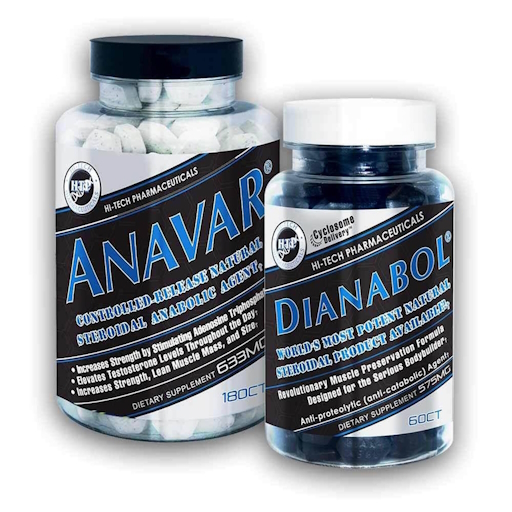
Methandrostenolone (known in the US as Dianabol) is one of the most popular and effective anabolic steroids widely used in bodybuilding.
It was developed in the 1950s and quickly gained popularity due to its ability to significantly increase strength and muscle mass in a short period of time. Methandrostenolone stimulates protein synthesis, increases nitrogen retention in muscles, and accelerates post-workout recovery, leading to rapid muscle growth.
Methandrostenolone's primary effect is its ability to activate anabolic processes in the body, increasing muscle cell volume and stimulating growth. Dianabol increases muscle glycogen levels, which also increases the body's energy reserves. Furthermore, the drug increases water retention in muscles, which can create the appearance of greater size and strength. However, this effect is temporary, and after completing the cycle, some muscle mass loss often occurs due to a decrease in water content in the body.
Despite its effectiveness, methandrostenolone has a number of side effects, especially when used improperly. These include hormonal imbalances, increased estrogen levels (which can lead to gynecomastia), and stress on the liver. Therefore, its use requires strict monitoring and a careful approach to minimize health risks.
Application in medicine
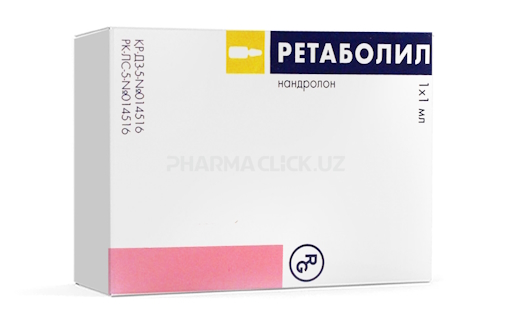
Although anabolic steroids are widely known for their use in sports, their original purpose is medical. They are used to treat patients with testosterone deficiency, as well as conditions associated with muscle loss, such as HIV or cancer. In medical practice, steroids are prescribed strictly under medical supervision and in small doses, which helps minimize risks and manage potential side effects.
For example, patients with muscular dystrophy may receive doctor-prescribed courses of anabolic steroids to maintain muscle mass and overall health. These doses are significantly lower than those used by athletes to improve physical performance.
Side effects and risks
Like any substance that affects hormonal levels, anabolic steroids have a number of side effects:
- Suppression of testosterone function and reduction of its natural production.
- Increased risk of cardiovascular disease.
- Increased aggressiveness and changes in psycho-emotional state.
- Increased risk of liver disease.
Some side effects may be reversible, but with long-term and uncontrolled use, the risk of serious health problems increases.
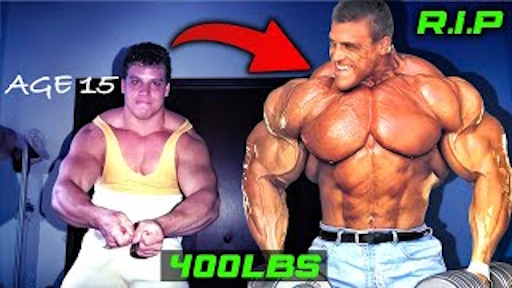
Fact: Research shows that long-term steroid use increases the risk of stroke and heart attack, especially in older people. For example, Greg Kovacs (pictured above), Rich Piano, and some other athletes.
People don't die from steroids?

Lee Priest has a controversial saying: “People don’t die from steroid use, they die from diuretic abuse.”.
Lee Priest's quote, "People don't die from steroid use, they die from diuretic abuse," raises an important issue in bodybuilding and professional sports: the difference between moderate drug use and drug abuse.
Some notable living examples of athletes from that (golden) era include Paul Dillett, Arnold Schwarzenegger, Jay Cuttler, Lee Priest himself (pictured above), Kevin Levrone, Victor Richards (who took steroids in large quantities), and many others.
Steroids and diuretics are often used by athletes to achieve extreme results, but their effects on the body are fundamentally different.
- Anabolic steroid They are designed to stimulate muscle protein synthesis, which promotes muscle growth and strength. Under proper medical supervision, they can be used to treat certain medical conditions and, in the athletic community, to achieve specific goals, such as gaining muscle mass and improving performance. However, it's important to note that long-term and uncontrolled steroid use also carries risks, such as hormonal disruptions and heart and liver problems.
- Diuretics, The diuretics mentioned by Lee Priest pose a much more serious and acute health risk. These drugs dehydrate the body, helping athletes achieve maximum muscle definition and definition, which is essential for bodybuilding competitions. However, excessive use of diuretics can lead to dangerous consequences, such as dehydration, electrolyte imbalances, heart and kidney problems, and even sudden cardiac arrest. Diuretics quickly disrupt the balance of sodium, potassium, and other vital minerals, which can critically impact the heart and other body systems.
Bodybuilders seeking extreme performance for competitions sometimes exceed safe dosages of both steroids and diuretics. Priest emphasizes that the risk of death increases precisely because of diuretic abuse, which affects vital body functions much more quickly and dangerously than steroids. While steroids can cause problems with long-term use, diuretics in high doses can be fatal within a short time.
Conclusion

Anabolic steroids are a powerful tool for improving physical performance, but their use is associated with health risks. They have a pronounced anabolic effect, stimulating muscle growth and accelerating recovery, but they can also negatively impact hormonal balance, cardiovascular health, and mental health. In both sports and medicine, steroid use should be justified and controlled.
Athletes striving for success must understand the risks and use any drugs only under strict medical supervision. Otherwise, serious health consequences, including death, can occur.