

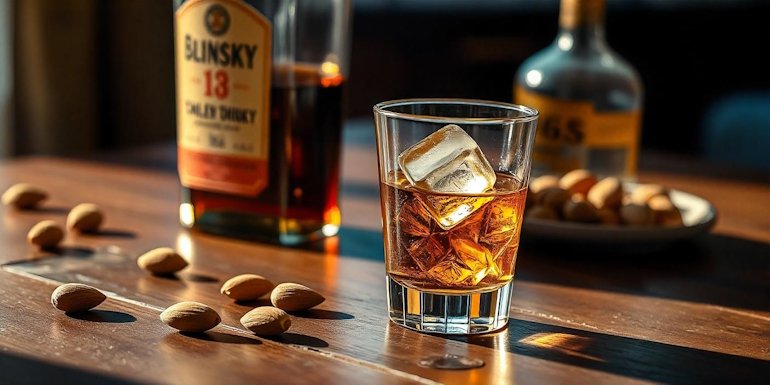
When it comes to strong alcoholic drinks, whiskey и brandy occupy a place of honor in the world market.
Both drinks have a rich history and many unique characteristics that make them popular among connoisseurs. However, many people are confused about the differences between whiskey and brandy. To better understand their differences, it's important to consider key aspects: raw materials, production technology, flavor, and origin. Understanding these factors will not only help you choose the perfect drink but also better navigate the rich world of alcohol.
Raw materials: the basis of the drink
The first and perhaps most important difference between whiskey and brandy is the raw materials from which they are produced. Whiskey is made from grain—most commonly barley, corn, rye, or wheat. It is this grain base that gives whiskey its characteristic strong and rich flavor. Depending on the type of grain, the drink can have a variety of aromatic nuances, from sweet to spicy.
Brandy is made from fruit, most often grapes. This makes it akin to wine, as the base for brandy is essentially distilled wine. Brandies made from apples, pears, and other fruits are also known, expanding the drink's flavor palette. Grape-based brandies, such as cognac, are considered the most elite and popular.
Production technology: double distillation and aging
The production process for whiskey and brandy also differs. Whiskey undergoes fermentation and double (or even triple) distillation, then undergoes long maturation in oak barrels. Maturation can last from three years to several decades, and it is this stage that gives whiskey its rich flavor and aroma. Barrels play a crucial role in the maturation process, infusing the spirit with woody notes, spice, and vanilla nuances. Sometimes whiskey is even aged in barrels that previously held other spirits, which imparts a special depth to the drink.
Brandy, like whiskey, is also distilled, but its production process is somewhat simpler. Fruit juice or wine is fermented, then distilled and aged. Unlike whiskey, brandy is often aged more quickly—the minimum permitted period for cognac, for example, is two years. However, some brandies are also aged for decades, making them richer and more expensive.
Taste and aroma: distinctive characteristics
Another important difference between whiskey and brandy is flavor. Whiskey has a complex, multilayered flavor that depends on the region of production, the raw materials used, and the aging time. Scotch whiskey, for example, is often characterized by smoky and peaty notes, while Irish whiskey is softer and fruitier. American bourbon has sweet caramel notes thanks to the corn from which it is made.
Brandy, on the other hand, has a softer, fruitier flavor. This is because the fruity ingredients it's made from impart a natural sweetness and lightness. Cognac, one of the most famous types of brandy, often has hints of honey, vanilla, dried fruit, and spice, making it ideal for slow sipping.
Geography of origin: traditions and culture
The geographical origin of drinks also plays an important role in their differences.
Whiskey is traditionally associated with countries such as Scotland, Ireland, and the United States, although in recent years its production has spread worldwide. The region of origin influences the style of the drink: Scotch whisky, for example, is distinguished by strict production rules, while American bourbon has more relaxed standards.
Brandy originated in Europe, and its most famous varieties are produced in France. Cognac and Armagnac are two regions renowned for producing elite brandies. Differences in climate, soil, and winemaking traditions greatly influence the taste of these drinks, making them unique.
Serving Differences: How to Drink Whiskey and Brandy Properly
Both drinks are traditionally served differently. Whiskey is often enjoyed neat, with a little water or ice added to enhance its aroma. Many connoisseurs prefer to use special whiskey glasses to better appreciate the complex flavors of the drink. Whiskey is also often used in cocktails such as the Manhattan or Old Fashioned.
Brandy, on the other hand, is traditionally served in warm glasses, allowing its fruity aroma to unfold. The drink is served at room temperature, and some types of brandy, such as cognac, are often warmed in the hands to enhance the aroma. Brandy is rarely mixed into cocktails; it is more often enjoyed neat.
Consumer culture: traditions and modernity
The drinking cultures of whiskey and brandy vary greatly. Whiskey, thanks to its rich flavor and variety of styles, has become part of global culture. It is enjoyed both at formal events and at home, savoring its complex bouquet of flavors and aromas. Whiskey also symbolizes status and prestige, especially rare and older varieties.
Brandy, although less popular among younger generations, retains its reputation as a drink for quiet evenings. In Europe, brandy is often associated with luxury and family traditions, especially in countries where its production is linked to centuries-old winemaking traditions. Cognac, in particular, remains a symbol of elite consumption.
Conclusion: what to choose – whiskey or brandy?
Both drinks have their own unique characteristics and features, making them popular among different drinkers. Whiskey appeals with its complex flavor and variety of styles, while brandy offers a softer, fruitier aroma and a lighter, more mellow feel. Ultimately, choosing between whiskey and brandy comes down to personal preference and the flavor profile you seek. Regardless of your choice, both offer a unique experience and allow you to savor the richness of their centuries-old traditions.