


Functional cosmetics aren't just skin or hair care, but a true fusion of science and beauty. Unlike conventional cosmetics, they work at a deep level, influencing not only appearance but also physiological processes. We've compiled 10 fascinating facts to help you better understand this topic.
1. Functional cosmetics are not just care
While conventional cosmetics primarily conceal imperfections or give skin and hair a well-groomed appearance, functional cosmetics address specific concerns. They act at the cellular level, helping to address the causes, not just the symptoms.
2. Scientific approach at the core
These products are created using biotechnology, dermatological research, and even pharmaceutical development. Companies invest millions in scientific research to prove the effectiveness of their formulas. Without this, cosmetics simply won't be allowed onto the market.
3. Active ingredients with proven effectiveness
Functional cosmetics include highly active ingredients such as:
- Peptides that stimulate collagen production
- Retinoids that fight signs of aging
- Probiotics to support a healthy skin microbiome
- Antioxidants that protect against free radicals
These substances actually change the structure of the skin and hair, and do not just create the illusion of improvement.
4. Production according to strict standards
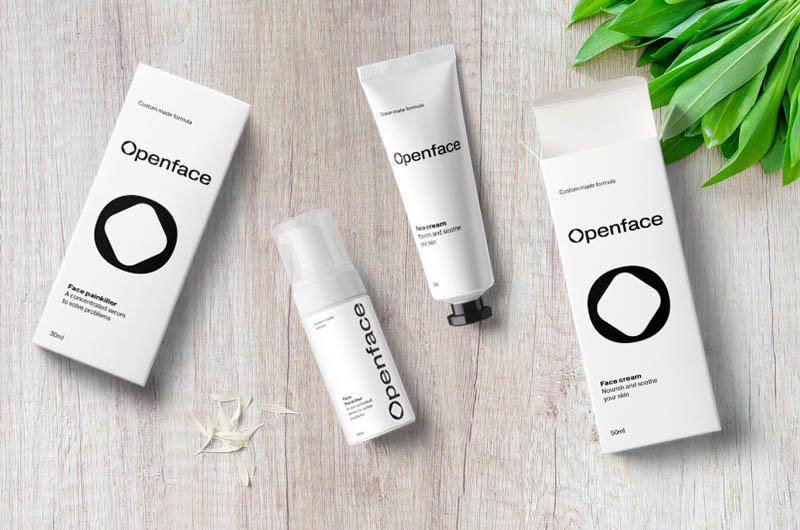
Unlike the mass market segment, where the main focus is on the external effect, functional cosmetics require high-precision production.
5. Long-term effect
Functional cosmetics don't work instantly. It often takes weeks, and sometimes even months, to see real changes. However, the effects are long-lasting, as they improve the skin's internal processes rather than simply masking problems.
6. Individual approach to different skin types
Functional cosmetics take into account the specific characteristics of each skin type and are created taking into account age, genetics, and even climate factors. For example, lightweight formulas with sebum-regulating ingredients are developed for oily skin, while rich textures with lipids and ceramides are developed for dry skin. Some brands offer personalized products that are tailored to the needs of each individual, analyzing the skin's condition using specialized tests or gadgets.
7. Suitable not only for the face
Functional formulas are used not only in skincare, but also in hair, body, and even decorative cosmetics. For example, there are foundations with a therapeutic effect, shampoos with keratin for hair restoration, and even mascaras that promote eyelash growth.
8. Deep penetration into the skin
Thanks to the use of nanotechnology and innovative transport systems, the active components of functional cosmetics penetrate into the deep layers of the skin, rather than remaining on the surface, as is the case with most traditional products.

9. Requires proper use
Due to the high concentration of active ingredients, functional cosmetics require careful application. For example:
- Retinoids should not be combined with acids in the same skincare routine.
- Strong moisturizing ingredients are best used at night.
- SPF products are essential when using acids and retinol.
Incorrect use may reduce effectiveness or even cause adverse reactions.
10. This is the future of cosmetology
Every year, the line between cosmetics and pharmaceuticals blurs. Functional cosmetics are becoming increasingly personalized, with formulas being developed based on DNA analysis and microbiome health. In the coming years, we can expect even more precise and effective products!
Conclusion
Functional cosmetics aren't just a trend, but the result of the evolution of cosmetology. They combine scientific advances with a focus on beauty, helping not just conceal imperfections but also improve the condition of skin and hair at the cellular level.
These products are often associated with the premium segment, but there are also affordable options on the market. The price depends on the concentration of active ingredients, packaging, and the brand's marketing strategy. The key is to look at the ingredients and clinical studies, not the brand.