

«I won't go to Black! It's contaminated with bacteria!», «Oh! The Sea of Azov really is that dangerous!»"—you say, but you have no idea which sea is the dirtiest. Our Top 10 will help you figure out where they're about to announce a man-made disaster (if they haven't already).
10. Red Sea
Fish production decline at 70% + dangerous tourists.
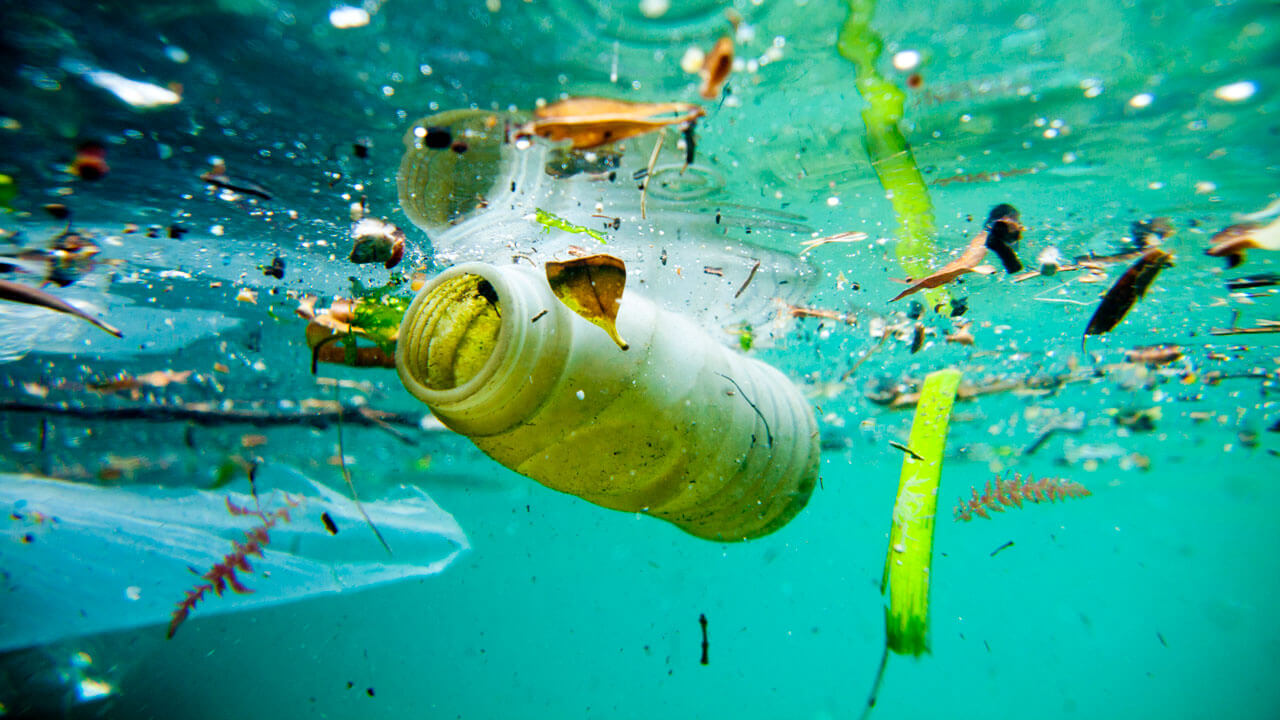
 The waters stretch over 438,000 square kilometers, and the sea is considered the saltiest in the world, as not a single freshwater river flows into it. The concentration of pollutants (plastic bottles, bags, candy wrappers) is only increasing, and the reservoir is becoming "shrinking" due to evaporation. According to some reports, the number of fish caught has decreased by 701 TP3T. The reason is simple: aquatic vertebrates are simply dying under the dominance of plastic and polyethylene.
9. Caspian Sea
Increased concentration of phenol + mass death of sturgeon.
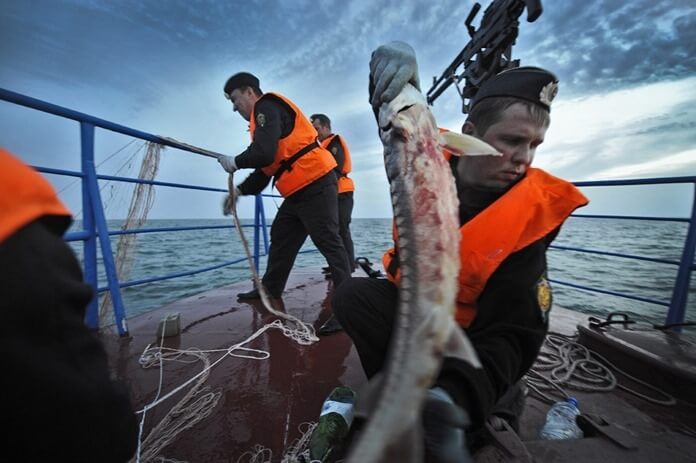 The largest endorheic lake, with an area of 371,000 square kilometers, is dying under the weight of oil rigs and barges. Just imagine, phenol concentrations here are six (!) times higher than permissible limits. For now, oil producers are fending off environmentalists and the public, continuing to pollute the Caspian Sea with their byproducts. Poachers, who are actively hunting salmon and sturgeon, are adding to the problem.
8. Sea of Japan
Oil spills in 90% bay area + phenol and pesticide content 10 times higher than normal.
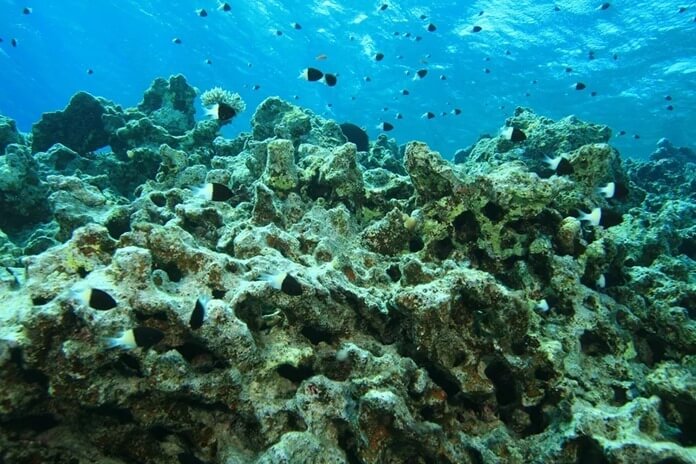
 The waters border four countries (North Korea, Russia, the Republic of Korea, and Japan) and stretch across 1,062,000 square kilometers. It's not the dirtiest sea, but just imagine what's here:
- Nuclear bases and submarines are buried;
- radioactive substances from obsolete warships were mothballed;
- particles of mercury, arsenic, phosphorus, nitrogen, and lead float;
- the amount of hydrogen sulfide increases;
- full of petroleum products and dangerous phenols.
7. Laccadive Sea
A megacity sewer + heavy metal content of 0.6 ml per 1 liter.
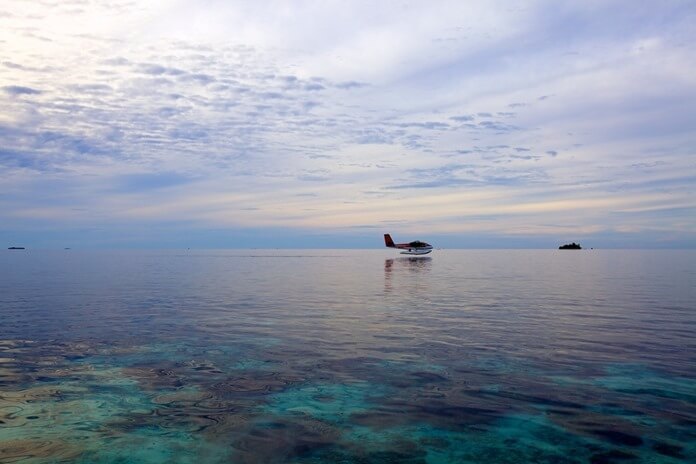 This 786,000 km² reservoir is adjacent to large population centers, and this proximity is certainly not beneficial. Laccadia water is like a test tube from a chemical laboratory, containing radionuclides, carcinogens, arsenic, heavy metal salts, and mercury particles. Scientists are sounding the alarm, as heavy metal concentrations in ports reach 0.3-0.6 ml per liter. This is six times higher than the maximum permissible limit.
6. South China Sea
China's claims + threat of destruction of 121 reefs.
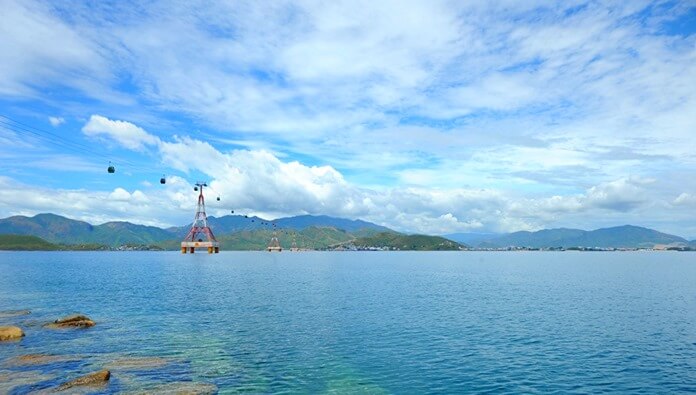 This 3,537,289 square kilometer body of water holds the title of the dirtiest in the Southern Hemisphere. The key problem is China's desire to seize up to 861 TP3T of space and build cities on reefs and cliffs. Naturally, wastewater, chemical waste, oil particles, and radionuclides will wash into the waves, and thousands of rare reefs will perish. Climate change, agricultural fertilizer runoff, and poaching also pose threats. Anything less, and the title of "World's Dirtiest Sea" is guaranteed.
5. The Sea of Azov
Increase in phenol concentration by 7 times + man-made disasters!
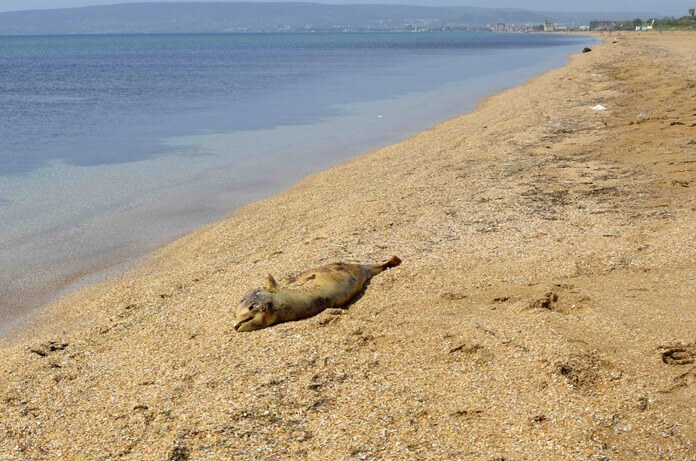 The 39,000 square kilometer area has been repeatedly threatened with disaster. While the sea was renowned for its fishing potential during Soviet times, environmentalists are now sounding the alarm (aquatic vertebrates are dying due to carcinogens). The concentration of thiocyanate in the waters is 12 times higher than established standards. In some areas, oil levels exceed the maximum permissible concentration by 150 times!
The problem isn't limited to the companies actively discharging pollution into the Azov Sea. Bulk carriers and tankers periodically sink in the waters. For example, in 2007, one such accident occurred, resulting in the release of 1,300 tons of fuel oil into the sea.
4. Baltic Sea
500 tons of chemical weapons + 50 tons of cadmium annually.
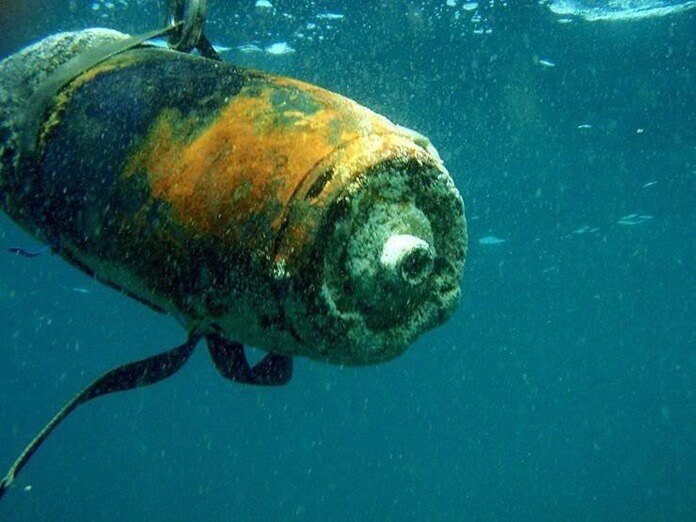 The 415,000-square-meter area is a veritable "chemical/nuclear barrel." Since 1951, the waters of the Baltiya have been used for the disposal of chemical weapons, explosives, and bombs. Over the past 60 years, the protective packaging has rusted, and all the "goods" are floating on the surface. Industrial facilities, as well as tankers and bulk carriers, add to the problem. Each year, approximately 33 tons of mercury are discharged into the waters over 21,000 square kilometers. The amount of copper is 4,000 tons or more, and lead is over 3,000.
3. Mediterranean Sea
Up to 1,000,0000 tons of oil per year + 100 thousand tons of mercury.
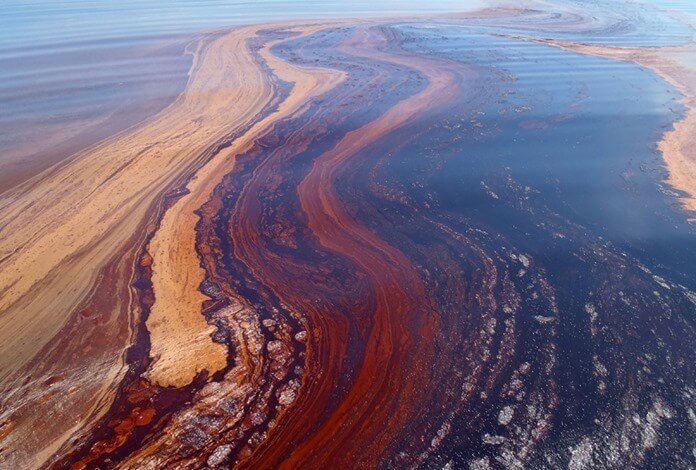 Jacques-Yves Cousteau once called the seas a "garbage dump," and today, over an area of 2,500,000 square kilometers, little has changed. Planning a vacation in Italy, Montenegro, France, or Cyprus? Keep in mind that up to 1,000,000 tons of oil and petroleum products are dumped into the Mediterranean Sea each year. The WHO began sounding the alarm back in the 1990s, as 12,000 tons of phenols, 800,000 tons of nitrogen, and 3,800 tons of lead were dumped into the waters.
2. Black Sea
90% jellyfish + threat of man-made disaster.
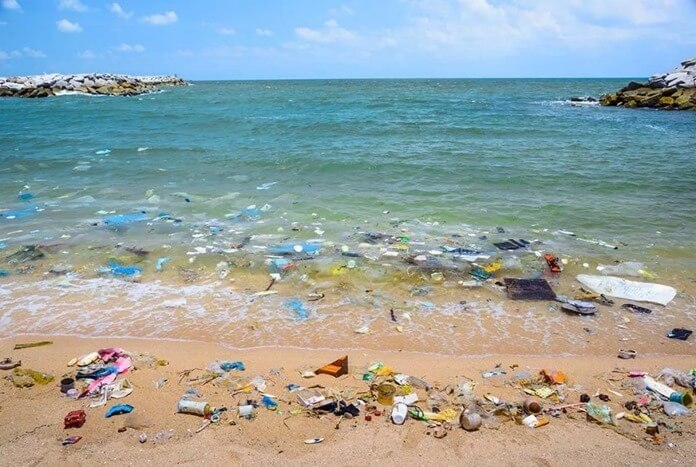 The condition of the 422,000 km² reservoir is characterized as "ecologically unfavorable." Viktor Tarasenko (President of the Crimean Academy of Sciences) stated that the Black Sea is the dirtiest sea in the world, not just in Russia. The causes of the problems are trivial:
- Nitrates and phosphates coming from agricultural lands;
- water pollution by oil and oil products;
- human waste (just imagine that about 20 European countries dump their wastewater here in one way or another);
- construction on the Black Sea coast (source of concrete, sand, asbestos, bricks, cement dust);
- Poaching and overfishing (UK experts have concluded that the uncontrolled actions of those "looking to make money" have led to a serious restructuring of the ecosystem at least twice in 50 years).
1. The Gulf of Mexico is the dirtiest sea
Not water, but a solid reagent.
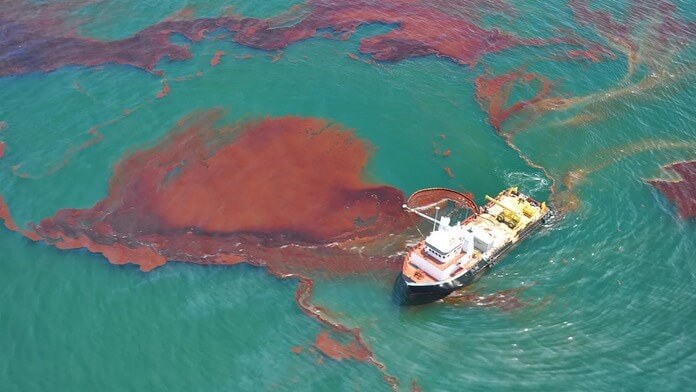
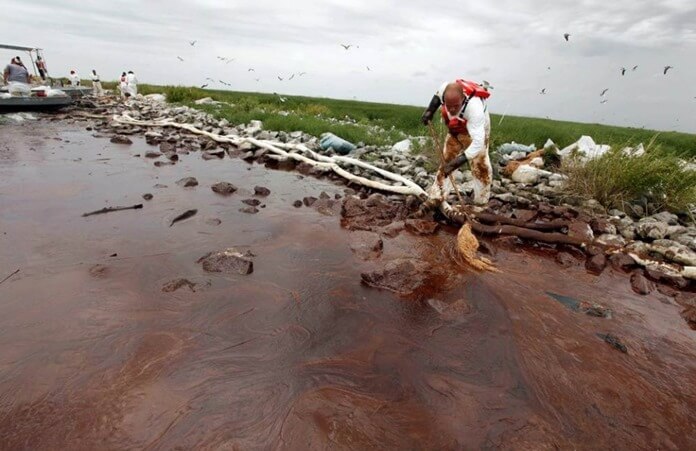 This inland sea of the Atlantic Ocean, with an area of 1,543,000 square kilometers, is a veritable "chemical laboratory!" Rivers from Cuba, the United States, and Mexico carry agricultural fertilizer residues and sewage runoff here. But that's not the worst part; it's the periodic oil spills and explosions on drilling rigs and tankers. For example, in 2010, the largest oil spill in the United States occurred: more than 5,000,000 barrels of "black gold" leaked into the Gulf, and an area of more than 75,000 square kilometers was literally "scorched" (fish die instantly).
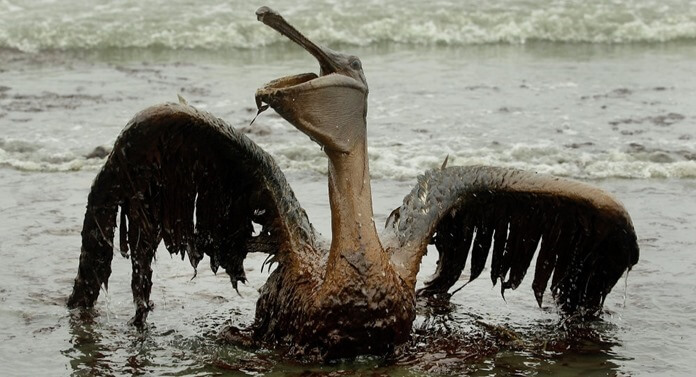
If people want to relax on clean waters, they need to remember about the environment!