

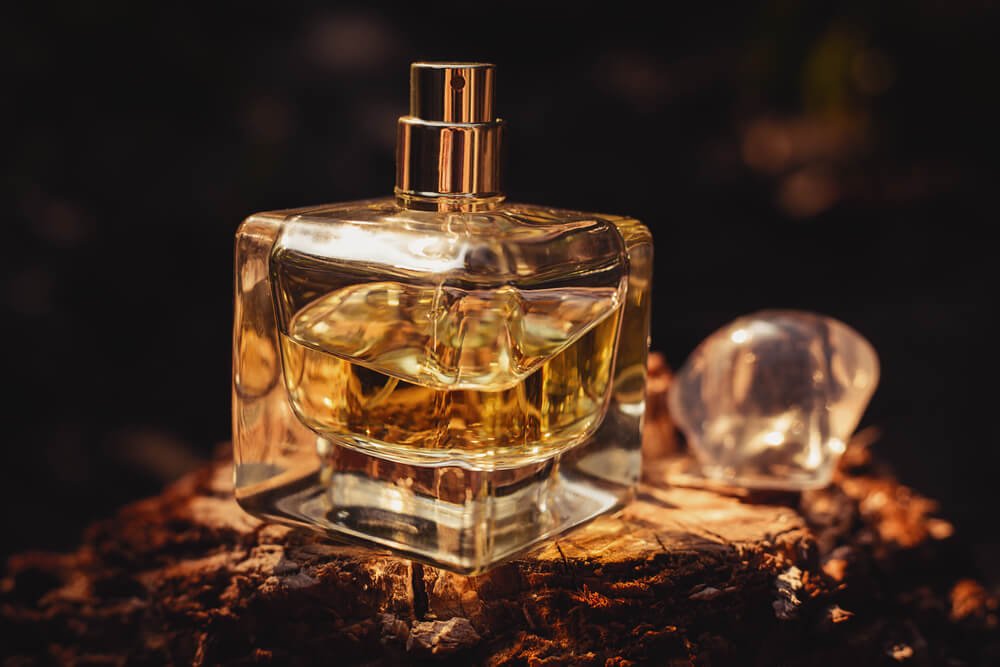
A genuine perfume tester contains the same scent as the full-priced product. It differs in packaging and purpose: it usually comes in a plain white or gray box (or no box at all), is marked "Tester" or "Not for Resale," and sometimes has no lid. Manufacturers prepare testers for display in perfume stores, not for sale to consumers. Therefore, by purchasing a tester, you pay less for a "simple" product, but there are some limitations to keep in mind.
To sum it up
- Aroma: The original tester has the same composition and the same concentration as the regular bottle.
- Package: The tester comes in a modest box or no box at all, with the words "Tester"/"Not for sale" written on it, often without a lid.
- Purpose: The testers are intended for in-store display, and selling units labeled as such could be subject to legal disputes with manufacturers.
- Risk: Counterfeits are also sold under the name "tester" - the seller's reputation is crucial.
What is a perfume tester?
A tester is a bottle provided by a manufacturer to perfume stores so customers can sample a fragrance before purchasing it. It sits on a shelf or counter and is reusable. However, some testers are sold—online, at auctions, or in small perfume shops—as a cheaper alternative to the "full-strength" version.
The original tester is not a «different version» of the perfume. It contains the same aroma and the same concentration (For example, eau de parfum remains eau de parfum.) The common belief that testers are more concentrated is not based on information from the manufacturer.
Perfume tester and original – differences in packaging.
This is the main and, in fact, the only visible difference. Most often, a tester:
- has a simple box – white, grey or brown, without graphics or decorative elements – or without a box at all.
- The box or bottle has the words «"Tester", "Demo Sample", "Not for Sale"» or their equivalents in another language.
- Sometimes it is sold without a lid (plugs) because it is not needed in the store.
- The set does not include foil or additional elements.
The bottle itself usually looks the same as the retail version. However, sample bottles are also available in simpler bottles or with the word "Tester" written on the glass.
Is it worth buying a perfume tester?
Samples are usually cheaper , than bottles of the same size. For those buying perfume for themselves and not needing an elegant box, this is an attractive proposition. However, they are not suitable as a gift – the plain packaging and lack of a lid are conspicuous.
It's important to remember proper storage. Perfume dislikes light and heat, and a bottle without a cap is more difficult to seal securely. Store the tester in a drawer or box, away from sunlight and radiators.
Is it legal to sell testers?
This is a controversial issue, but it primarily concerns sellers , not consumers. The "Not for sale" label indicates that the manufacturer did not release the bottle to the market for sale. In a case involving an online store selling such samples, the Court of Justice of the European Union ruled in 2022 (C-355/21), and the Supreme Court of Poland, in its decision of March 31, 2023 (II CSKP 12/22), ruled that selling samples labeled "not for sale" may infringe the trademark owner's rights—even if the perfume is genuine.
For consumers, the implication is practical: samples are still in circulation, but since they are not distributed to stores through official sales channels, trust in the seller and clear complaint procedures are becoming increasingly important.
| Characteristic | Perfume tester | Original in full packaging. |
|---|---|---|
| Olfaction and concentration | Same thing (in the original tester) | Same |
| Box | Simple or not | Decorative, corporate |
| Designation | «"Tester", "Not for sale", "Demo"» | There are no such inscriptions. |
| Nut | Often absent | Is |
| Foil | Usually absent | Usually it is like this. |
| Price | Usually lower | Full retail price |
| As a gift | I don't think so. | Yes |
How to recognize a genuine tester and avoid buying a fake?
The word "tester" is sometimes used to sell counterfeits—the low price and modest packaging easily explain the shortcomings. Before buying:
- Check the seller – company details, reviews, return and complaint address.
- Compare prices – if the tester costs significantly less than the usual price, this is an alarming sign.
- Look at the bottle In the photographs, the shape, glass quality, atomizer and designs must match the retail version.
- Find the batch code on the bottle or bottom and compare it with the code on the box, if there is one.
- Pay attention to the smell – a strong smell of alcohol, rapid evaporation, or a clear difference from the sample in the perfume store may indicate a counterfeit.
If redness, itching, or a rash occurs after using the perfume, discontinue use. If symptoms persist, consult a doctor or pharmacist.
Frequently Asked Questions (FAQ)
Does the perfume sample smell the same as the original?
Yes, if it's an original tester from the manufacturer. It contains the same ingredients and concentration as the full-size version. A difference in odor usually indicates a counterfeit or improper storage.
Do perfume testers last longer or have a stronger scent?
No. It's a myth – the original tester does not have a higher concentration than a regular bottle of the same product.
Why doesn't the tester have a cap?
Because it was created with perfumery in mind, where the bottle is opened and used for spraying. The lack of a cap doesn't mean it's counterfeit, but it does make storage difficult.
Is a sample a good gift idea?
Most likely not—the modest box and the "Tester" label don't look very elegant. It's better to buy the tester yourself.
Is it legal to buy testers?
Legal disputes are raging over sellers offering samples labeled as not for sale. In 2023, the Polish Supreme Court ruled that such sales may constitute trademark infringement. Buyers should first and foremost verify the reliability of the source.
See also
- What is the difference between eau de toilette and perfume?
- What is the difference between margins and markup?
- What is the difference between deodorant and antiperspirant?
- What is the difference between diamond and cubic zirconia?