

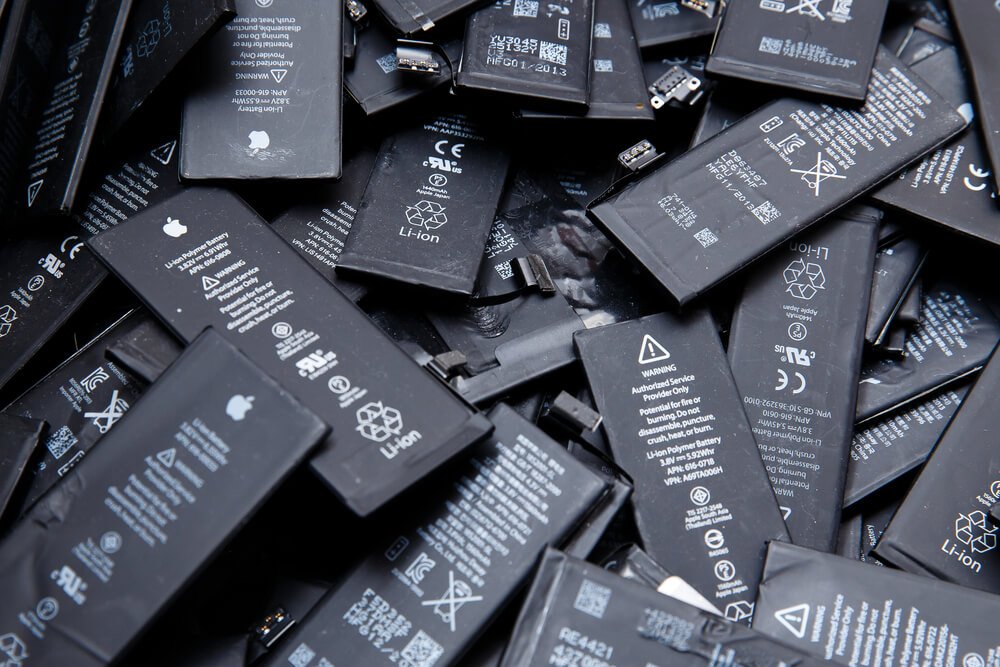
A lithium-polymer (Li-Po) battery is a variant of the lithium-ion (Li-ion) battery that uses a polymer gel electrolyte enclosed in a soft, foil-lined "bag" instead of a liquid electrolyte in a hard metal case. The chemical composition of the electrodes is the same in both cases, so the differences are mostly in shape, weight, housing strength, and manufacturing cost, rather than which one is "better" overall.
For phone and laptop users, both technologies behave very similarly: they have similar voltages, they charge in the same way, and both require electronic protection.
To sum it up
- Electrolyte: Li-ion – liquid solution of lithium salts; Li-Po – gel (polymer) electrolyte.
- Frame: Lithium-ion batteries are most often housed in a rigid casing (cylindrical or cubic); lithium-polymer batteries are housed in flexible foil, which allows for the production of flat cells of any shape.
- Chemical composition: Identical cathode and anode materials – lithium-polymer batteries are not a separate chemical type, they are simply a different design of the battery.
- Disadvantages of lithium polymer batteries: higher production cost, lower mechanical strength, tendency to swell during degradation.
Structure: Liquid Electrolyte vs. Gel Electrolyte
Every lithium-ion battery has a cathode (such as lithium cobalt oxide, NMC, or lithium iron phosphate), an anode (usually graphite), a separator, and an electrolyte through which lithium ions move during charging and discharging.
In the classic lithium-ion cell The electrolyte is a lithium salt dissolved in a liquid organic solvent that saturates a porous separator. The original concept lithium-polymer cell assumed a dry solid polymer electrolyte, but it only conducted ions well at elevated temperatures. Therefore, modern lithium-polymer cells use gel electrolyte — a polymer impregnated with an electrolyte. Battery University summarizes this as follows: to the user, a lithium-polymer cell is essentially identical to a lithium-ion cell, and both types use identical cathode and anode materials.
Body, shape and weight
The most noticeable difference is form of elements . Lithium-ion batteries are most commonly produced as cylindrical cells (such as the popular 18650 or 21700 cells used in flashlights, power tools, and e-bikes) or prismatic cells in a rigid casing. The metal casing effectively protects the internal components from deformation and maintains pressure.
Lithium polymer cells are packaged in a flat plastic bag Laminated foil. According to Battery University, this type of case reduces weight by more than 20% compared to a traditional rigid case and allows for the production of very thin cells that fit snugly within the device. This is why lithium-polymer cells are used in smartphones, tablets, thin laptops, wireless headphones, smartwatches, as well as drones and radio-controlled models. The tradeoff is lower mechanical strength—foil doesn't protect the cell as well as a metal case.
Capacity, durability and safety
You can often read online that this or that technology offers "significantly higher" energy density, durability, or safety. In practice, since the chemical composition of the electrodes is the same, the parameters are primarily determined by the specific cathode material and the quality of assembly. According to Battery University, lithium-polymer batteries have slightly higher specific energy (per kilogram) thanks to the lighter body, but this advantage will not be noticeable in everyday use.
From the point of view security, Both technologies have similar problems: overcharging, deep discharge, short circuit, overheating, or mechanical damage can lead to fire. Both types require a safety system (BMS/protective circuit). Li-Po gel-based electrolyte is less prone to leakage, but pouch cells are prone to swelling – Gas is released when batteries age or are improperly charged. A swollen phone battery is a sign that it should no longer be used.
Comparison table of lithium-ion and lithium-polymer batteries.
| Characteristic | Lithium-ion (Li-ion) | Lithium polymer (Li-Po) |
|---|---|---|
| Electrolyte | Liquid (lithium salt in an organic solvent) | Polymer-based gel |
| Electrode chemistry | For example, LCO, NMC, LFP, graphite | The same materials |
| Happening | Most often it is a rigid can (cylinder, prism). | Flexible foil bag |
| Form | Standard sizes (eg 18650, 21700) | A flat surface of any size suitable for your device. |
| body weight | More | Less |
| Mechanical resistance | Better | Lower risk of swelling |
| cost of production | Below for cylindrical cells | Higher |
| Typical areas of application | Power tools, flashlights, portable chargers, electric bicycles and electric cars | Smartphones, tablets, thin laptops, headphones, drones, radio-controlled models. |
Which battery is better - lithium-ion or lithium-polymer?
When buying a phone or laptop, you don't choose the technology—the manufacturer chooses it based on the device's design. More important are capacity (mAh or Wh), battery quality, and safety features. However, when purchasing a battery yourself, consider its intended purpose:
- Lithium-ion (cylindrical) cells – when mechanical strength, standard size and low price are important, for example for flashlights, bicycle batteries, and DIY kits.
- Lithium-polymer batteries (Li-Po) — when low weight and flat shape or high instantaneous current are important, for example, for drones, radio-controlled models, compact electronics.
- In both cases use a charger designed for this type of battery and in accordance with the manufacturer's recommendations (voltage, number of elements, charging current).
How to use lithium batteries safely?
- Do not charge them at high temperatures or on flammable surfaces; do not leave lithium-polymer batteries unattended while charging.
- Do not puncture, crush or heat cells.
- Do not charge a swollen or damaged battery or attempt to puncture it to release gas - take the device to a service center.
- Used batteries should be disposed of at collection points (electronics stores, waste collection centres), and never in mixed waste containers.
Frequently Asked Questions (FAQ)
Can a lithium polymer battery also be considered a lithium ion battery?
Yes. A lithium-polymer battery is a type of lithium-ion battery. It operates on the same principle (lithium ions move between electrodes) and uses the same electrode materials. The differences lie in the form of the electrolyte (gel) and the casing (soft case).
Are lithium polymer batteries safer than lithium ion batteries?
This isn't a blanket statement. Gel batteries are less likely to leak, but their soft casings offer less protection and can swell. Both types require safety features and can ignite if damaged or improperly charged.
Can you charge lithium polymer batteries with a lithium ion battery charger?
In devices (phones, laptops), charging is controlled by the device's electronics, so there are no problems. Charge individual lithium-polymer batteries, such as those for certain models, using a charger designed for that type of battery, with the correct number of cells installed according to the manufacturer's instructions.
Why is my phone battery swelling?
Due to aging, overheating, or improper charging, gas can accumulate in soft batteries, causing the film to expand. A swollen battery is no longer usable and must be replaced at a service center.
Which battery will last more charge cycles?
The number of cycles depends primarily on the chemical composition of the cathode (for example, LFP is more durable than many others), the quality of the cell, and the operating conditions – temperature, depth of discharge, charging current – and not on whether the cell is in a pouch or in a case.
See also
- What is the difference between LR20 and R20 batteries?
- What is the difference between alternating current and direct current?
- What is the difference between a laptop and an ultrabook?
- What is the difference between fuses B and C?