


Do you take memes seriously? Me neither. Watch them once, smile, forward them to friends, and forget about them—and that's all in 99% cases.
However, by transferring information from person to person like digital genes, some memes have managed to influence entire countries and even the world. Here are seven examples of such changes.
5. Radium
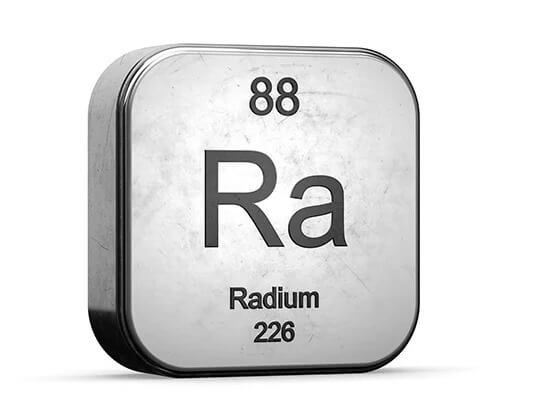 Nowadays, even those ignorant of science understand that radiation can be dangerous. But in the first half of the 20th century, newly discovered radioactive elements like radium were considered safe and, even beneficial. It was even associated with deadly medical treatments.
Radium was used in every conceivable product, from makeup to watches, clothing, and medicine. You can find the word "radium" on all sorts of labels, advertisements, posters, and signs. It was a viral buzzword that brought worldwide awareness to the dangers of radioactivity.
4. Memento mori
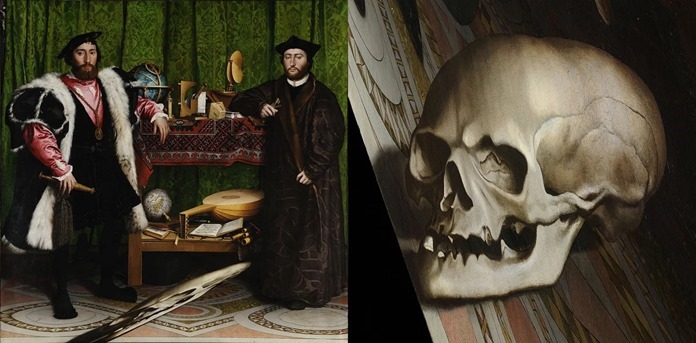
It's impossible to pick the most influential and widespread meme today, but during the Middle Ages and Renaissance, the winner was clear: Memento mori (remember death).
It's a motif that has appeared in countless paintings over hundreds of years (and is still used today). The premise of the meme is simple: include a skull or other object in your work to remind the audience that death is inevitable.
Some artists were cunning and hid such objects—for example, placing a small skull on a shelf whose contents were otherwise ordinary. And some "reminders" of the transience of all things are placed front and center, as in Hans Holbein the Younger's "Ambassadors." It's safe to say that no member of the Renaissance nobility ever forgot the approach of death.
3. Everything is fine

This meme originated in 2013 as part of a six-panel comic by cartoonist Casey Green. In it, a dog sits and drinks coffee during a house fire, insisting all is well.
The comic was originally called "On Fire," but after a truncated two-panel version began circulating on Reddit, it was renamed and became the perfect way to describe any antithesis to normalcy.
In its various comic and animated incarnations, "This Is Fine" has become the embodiment of our response to an increasingly distorted, disaster-ridden world. Despite the coronavirus pandemic, school shootings, the widening income gap between rich and poor across the globe, the ever-changing political landscape, and, of course, climate change, millennials mutter, "It's fine.".
The soothing irony of "This Is Fine" was the spiritual opposite of the far more toxic "Pepe the Frog" meme (more on that below). Both memes were based on webcomics, and both became politically significant icons around the same time.
2. Pepe the Frog

The green anthropomorphic frog was created in 2005 by artist Matt Furie as a webcomic character. In 2008, he became an internet meme and was frequently used by online trolls. But Pepe's online career turned out to be closely linked not only to trolling but also to politics.
In the mid-2010s, Pepe became a symbol of the alt-right, used to symbolize white supremacy. And in 2016, he became a symbol of Donald Trump's election campaign, appearing as Pepe in numerous images, including a poster parodying the "Expendables" poster. Titled "The Deplorables," the poster played on the phrase "basket of deplorables" thrown at Hillary Clinton.
During the 2019 Hong Kong protests, Pepe the Frog became an ambassador for the student protesters, declared a symbol of resistance.
«"Everyone contributes to the protests as much as they can, depending on their financial means and abilities—this has defined the movement and made it successful. What does it mean to 'Be Water' (a Bruce Lee quote)? Water is liquid, it can take many forms, and it's not easy to capture. Pepe's varied personas are a perfect representation of this idea," said Paper Chu, one of the protesters.

1. Dogecoin
 How many memes can boast that a cryptocurrency was created based on them? Dogecoin, however, can.
A meme originating in 2005 features an image of a Shiba Inu dog named Kabosu. It quickly gained popularity on the imageboard 4chan and, in 2013, spread across the internet. In December 2013, programmers Billy Markus and Jackson Palmer introduced a new cryptocurrency, Dogecoin, named after the Kabosu meme.
In 2020, the meme was reborn as the "Doge and Cheems" image. It's used to compare the same phenomenon in the past and present.