

The Republic of Estonia, a Baltic country located in Northern Europe, is one of the least populated territories in the European Union. It borders the Gulf of Finland to the north, Russia to the east, Latvia to the south, and the Baltic Sea to the west. Here are some oddities about Estonia you might not know.
1. Flag
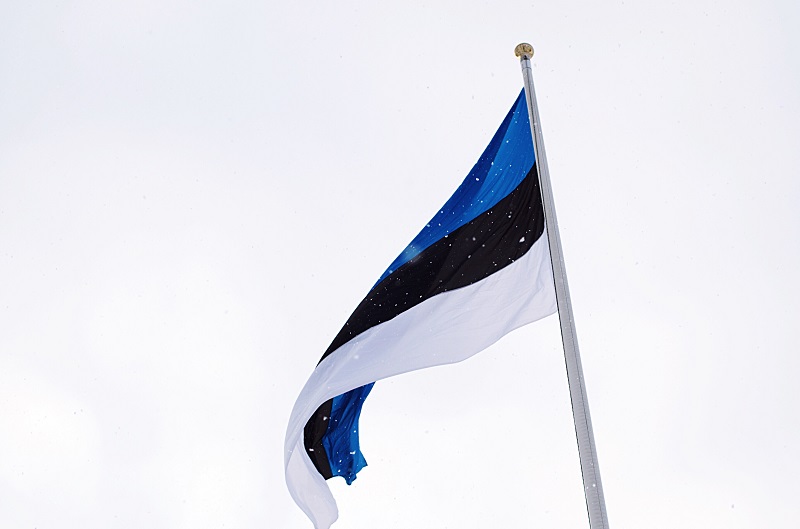
It has three stripes: blue, black, and white. Blue symbolizes the sky, sea, lakes, and the color of the national flower (cornflower), as well as loyalty to national ideals. Black is the color of the earth and national jackets, and also represents the hardships of the Estonian people. Finally, white is the color of purity, freedom, and hope for a better future.
2. Tallinn, the capital
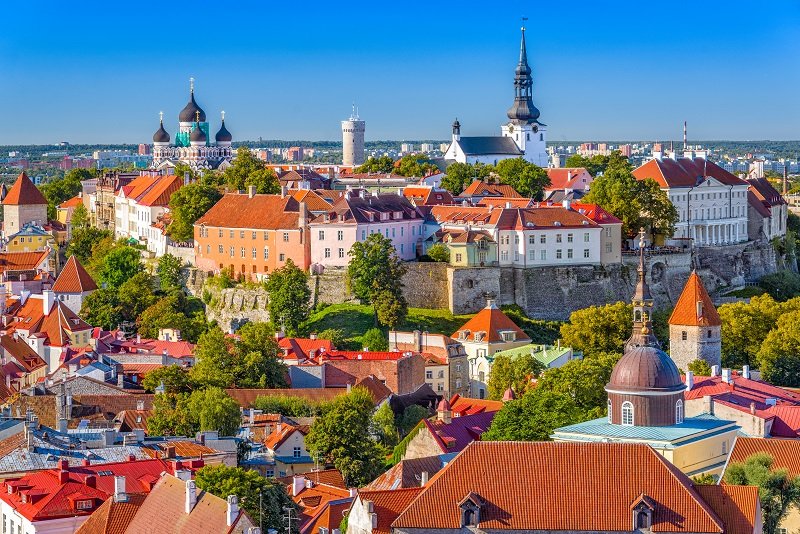
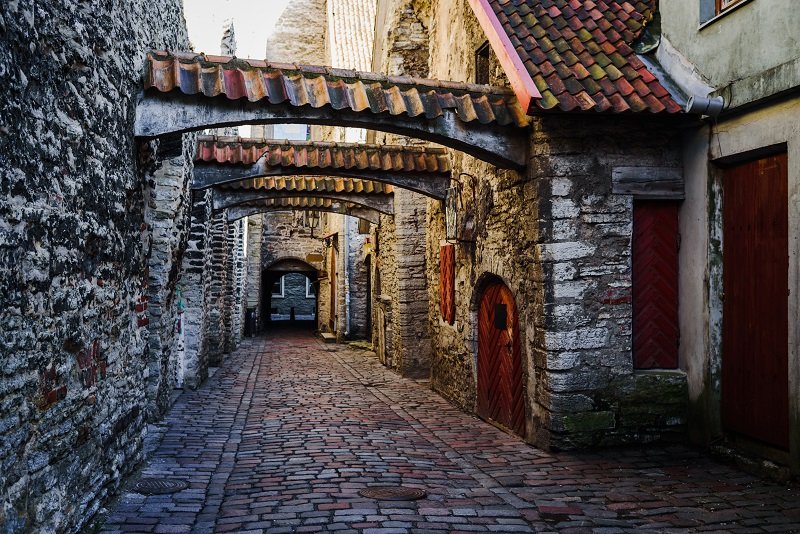
Since the country gained independence in 1991, Tallinn has served as the capital. It is a city with a centuries-old history and a rich monumental and cultural heritage, making it a World Heritage Site. Its medieval old town is one of the best-preserved in Northern Europe, full of beautiful houses and alleys, and part of the wall that once protected it still stands. Its architectural richness is remarkable. Some of the most notable monuments include the Church of St. Olaf, the Cathedral of St. Alejandro Nevsky, the Church of Santa Maria, the Kadriorg Palace and Gardens, and the Botanical Garden.
3. Country music
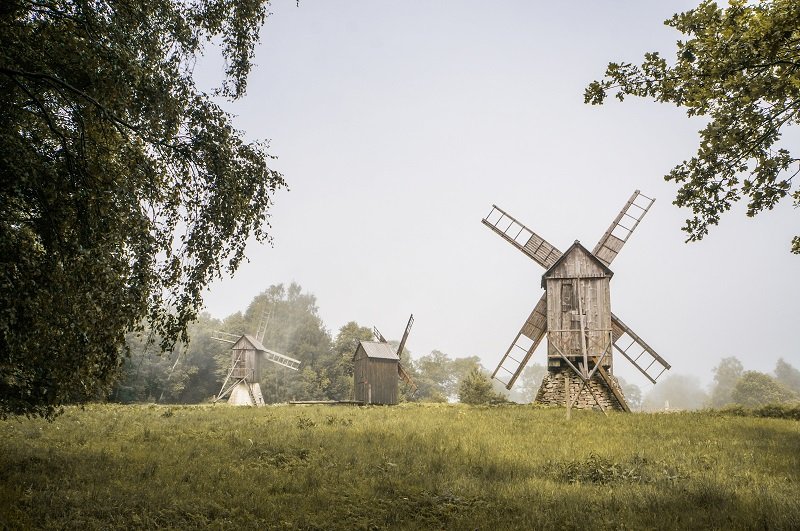
Music is very important here. Numerous festivals are celebrated throughout the year; the most passionate and famous of all is the Lulupidu, the Song Festival, held in Tallinn every five years and declared an intangible cultural heritage by UNESCO. It is the most important national event.
4. Tragic past
Estonia's past is dramatic, as its losses in World War II were among the highest in Europe. They represent a much higher percentage than in most other countries, with the exception of Poland, Lithuania, Latvia, and Belarus. Another 10% of the population was subsequently deported to Soviet labor camps.
5. Language
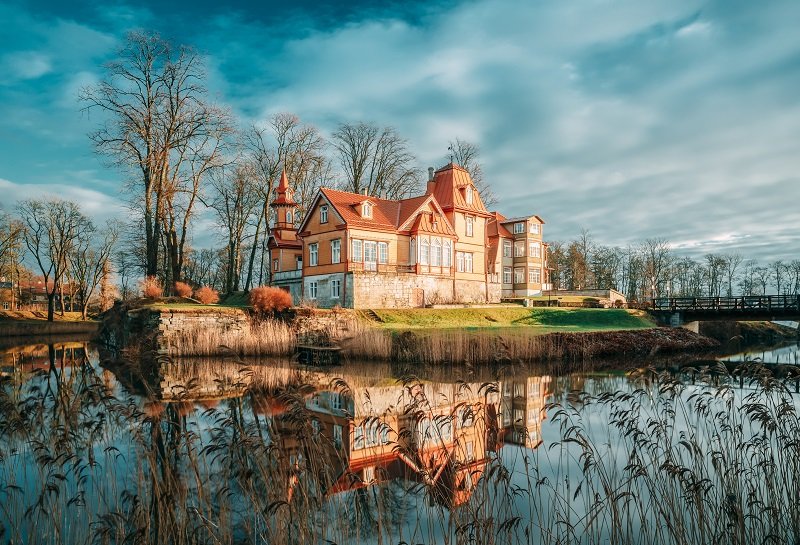
The official language is Estonian, which belongs to the Baltic-Finnic branch of the Finno-Ugric language family. It shares many similarities with Finnish and is one of the few languages in Europe that is not of Indo-European origin.
6. One of the least religious countries
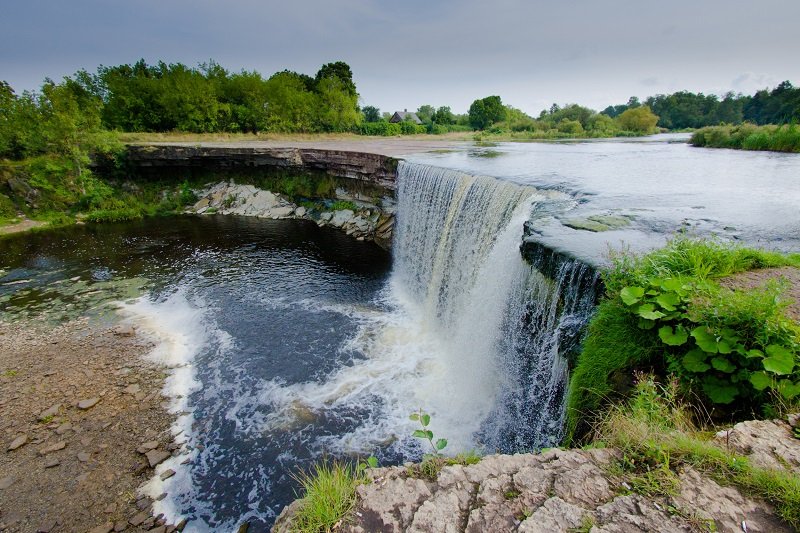
Its government is secular, and its territory is among the least religious in the world. A large percentage of the population considers itself atheist and does not practice any religious affiliations. Despite this, since the 16th century, it has established itself as a predominantly Protestant country, with the second-largest denomination being Orthodox. Other religions are also present, albeit in much smaller percentages, such as Jews, Muslims, Jehovah's Witnesses, Buddhists, and Baptists.
7. Territory and history
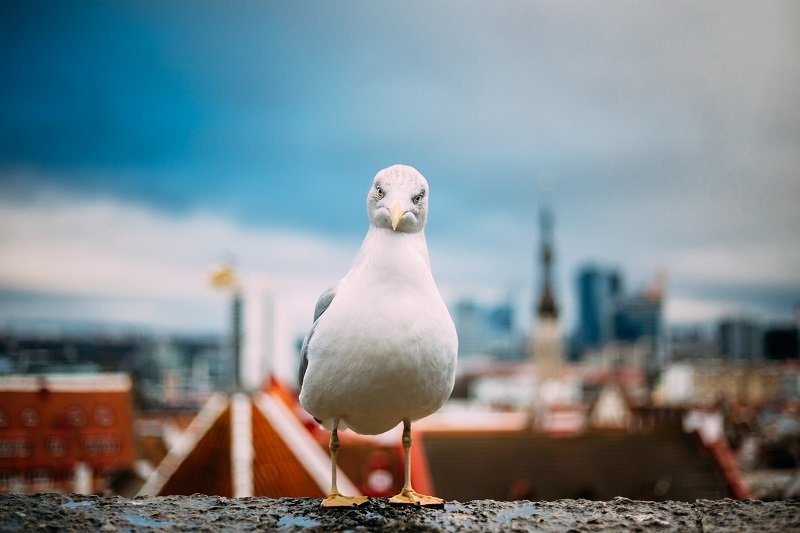
Estonia joined the USSR in 1940 and remained a member of that union until 1991, the year of its independence. However, most Western countries did not officially recognize this annexation and continued to maintain diplomatic relations with their representatives before 1940. Although geographically it is one of the Baltic republics, along with Latvia and Lithuania, its cultural ties are more closely tied to the Nordic nations, particularly Finland. Its economy is also very different from that of other former Soviet republics. In fact, it is one of the least indebted countries in the European Union.
8. Country of new technologies

One sector in which its economy excels is new technology. It's one of the most connected places in Europe. It's remarkable that back in 2005, Estonians were the first in the world to vote online. Ninety-nine percent of government services are provided online, and it's also the country with the highest number of startups per capita in Europe, with Skype standing out. It was in 1996 that the government opted for ICT. The goal of the Tiigrihüpe project was to computerize schools and improve public access to technology, something commonplace today but revolutionary at the time. Estonia is at the forefront of mobile telephony and internet adoption, and the telecommunications sector is also significant for GDP.
9. Nature
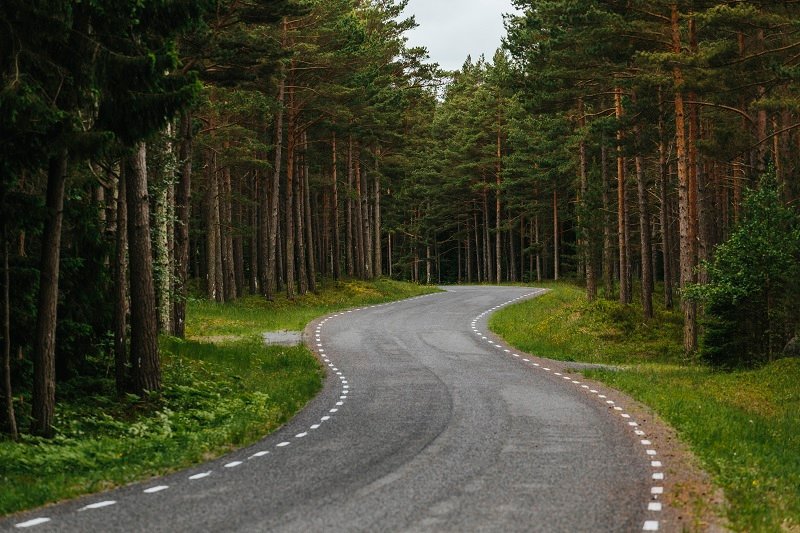
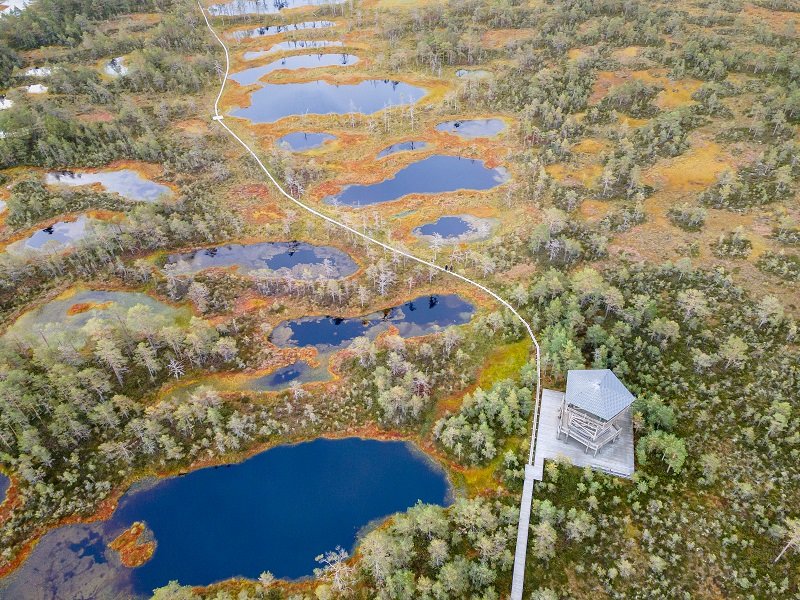
There are over 1,400 lakes here, accounting for about 4% of its total area. Due to the elevated landscape, rivers are divided into two categories: those flowing east to west and those flowing west to east. Interestingly, the highest point in the Baltic states, Mount Suur Munamägi, is in Estonia, despite being over 300 meters above sea level. It also has over 1,500 islands, though most are uninhabited. It's a very rural region with traces of medieval and Viking culture. On the other hand, more than half of its territory is covered by forests, where brown bears, wolves, foxes, rabbits, and deer can be seen. The climate is humid continental, with mild summers and fairly cold winters.
10. Gastronomy
Estonian cuisine is simple, its typical ingredients being pork, vegetables, and potatoes. But due to its history of successive invasions, its recipes are the result of a fusion of all the cultures that have passed through the country. Among the most outstanding dishes, we find mulgikapsad, pork with cabbage and potatoes; silgusoust, herring with bacon and cream; sült, pork with lavender jam; pirukki, pastries filled with meat, carrots, and cabbage, fried or baked; seljanka, a soup with ham, sausage, and potatoes; and kisell, a sweet macerated with fruit juice or milk. As for drinks, beer is quite popular. The most famous are saku and saare, although without a doubt the most typical liqueur is called Vana Tallinn, sweet, with a slight rum flavour and quite strong, although with varying gradations of alcohol.