

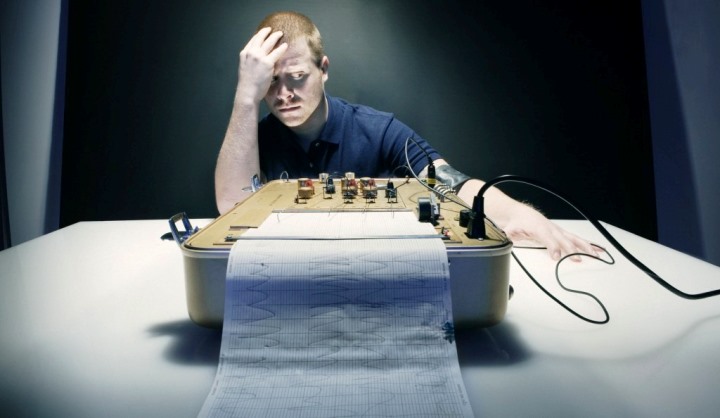
The lie detector, or polygraph, has generated considerable controversy and interest for decades. It's a device designed to detect deception by measuring a person's physiological responses. In this article, we've compiled 10 interesting facts about the lie detector that will help you better understand how this device works and where it's used.
The polygraph records several physiological indicators, such as:
- Blood pressure;
- Heart rate;
- Breath;
- Skin conductivity (galvanic skin response).
These data are recorded while the subject is being asked questions. The idea is that when a person lies, their body responds with stress, which is reflected in changes in these parameters.
1. The history of the invention of the lie detector
The first lie detector was invented in 1921 by John Larson, a police officer from Berkeley, California. His goal was to improve crime investigation methods. Larson developed a device that measured a suspect's blood pressure and respiration. This first prototype became the basis for modern polygraphs, which add measurements of such parameters as pulse and galvanic skin response.
Interesting fact:
Larson was against using his invention for mass testing, as he believed that a lie detector could not give an absolute answer about a person's guilt or innocence.
2. Operating principle of the KGR
One of the key indicators measured by the polygraph is the galvanic skin response (GSR). This is the electrical activity of the skin, which changes depending on a person's emotional state. When a person experiences stress or anxiety, their skin begins to produce more sweat, which increases electrical conductivity.
Important points:
- The reaction occurs when emotional changes occur;
- Measured using electrodes attached to the skin;
- One of the most reliable indicators of stress.

3. Polygraph in criminology
The polygraph is widely used in criminology and crime investigation. However, the polygraph does not provide direct evidence of guilt or innocence; it merely helps investigators narrow the pool of suspects and obtain additional information.
How does a polygraph help in investigations?
- Assessing the honesty of testimony;
- Reducing the number of suspects;
- Identifying potential motives.
4. Lie detector and military intelligence services
The polygraph is widely used in military and intelligence agencies to screen job candidates or to investigate incidents involving the leak of classified information. For example, in the United States, employees of the CIA, FBI, and some other intelligence agencies may undergo polygraph testing as part of the hiring process or during regular background checks. This helps identify potential threats to national security and assess employee loyalty.
The main purposes of polygraph testing in military structures are:
- Checking the honesty and reliability of employees;
- Identification of possible connections with foreign intelligence agencies;
- Preventing leaks of classified information.

5. Polygraph and scientific research
The scientific community is still debating the effectiveness of the polygraph. While some studies confirm its ability to detect physiological changes, others emphasize that there is no 100% guarantee of detecting deception. This is because physiological reactions can be triggered not only by lying, but also by stress, fear, and other factors.
Scientific findings about the polygraph:
- The polygraph records physiological reactions, but not lies directly;
- Studies show conflicting results;
- Developments to improve accuracy are ongoing.
6. Polygraph in medicine
The polygraph can be used not only for lie detection but also in medical research. Its ability to measure physiological parameters makes it a useful tool for diagnosing stress, anxiety disorders, and other psychological problems.
Application of polygraph in medicine:
- Diagnosis of anxiety disorders;
- Study of the body's response to stress;
- Study of emotional states.

7. The lie detector is used in TV shows
The lie detector is often featured on entertainment shows, where it is used to determine the truth among participants. In these programs, viewers are shown how people answer personal or uncomfortable questions, and then, based on the polygraph results, predictions are made about whether they are telling the truth. Despite the show's entertainment value, many viewers are curious about the reliability of these tests.
Examples of popular shows using a polygraph:
- «Secrets on the Lie Detector»
- «Moment of Truth»
- «Let's get married!»
8. The polygraph is not used in courts in many countries.
Despite the polygraph's popularity, its results are not admissible as evidence in the judicial systems of many countries. This is due to the high risk of errors and manipulation of testimony. For example, in the United States, polygraph results are rarely admissible in court, with the exception of some states and with the consent of both parties.
Countries where the polygraph is used or banned:
| Country | The status of polygraph use in courts |
|---|---|
| USA | Limited use |
| United Kingdom | Not accepted as evidence |
| Russia | Used in investigations, but not in court. |
| Japan | Used in some cases |
9. Popularity of polygraph testing services
Today, polygraph testing is becoming increasingly popular among both individuals and businesses. Companies use polygraphs to screen employees upon hiring or for internal investigations of theft and information leaks. Individual clients may request a polygraph test to determine the truth in personal matters, such as marital infidelity. Polygraph testing can also be used to resolve disputes between relatives, verify the veracity of testimony in family conflicts, or assess integrity in business relationships. The service is especially popular among people who want objective confirmation of their suspicions or dispel doubts without resorting to legal proceedings.
Among whom is the polygraph testing service most popular?
- Corporations and companies;
- Security services;
- Private individuals;
- Government agencies.
10. Is the polygraph not always accurate?
Despite the polygraph's popularity, its accuracy remains questionable. According to various studies, lie detector accuracy ranges from 60% to 90%. This means that errors can occur, including both false positives and false negatives. These can be caused by stress, anxiety, or the subject's physiological characteristics.
Reasons for possible errors:
- False positive results can occur due to excessive stress on an innocent person.
- False negative results are possible if a person is able to control their physiological reactions.
Conclusion
The lie detector is a complex and controversial instrument that has been used for decades in a wide range of fields, from criminology to the corporate world. Despite its popularity, it's important to remember that the polygraph is not a 100% reliable deception detector. Science and society continue to debate its reliability, but the fact remains: interest in this device remains undiminished.