


The word "generic" has become firmly established in everyday usage, but many myths still surround it. Some believe they are inferior medications, while others consider them a lifesaver. The truth, as is often the case, lies somewhere in the middle. We propose exploring this in the context of known facts—it's not only interesting but also informative.
1. Generic is not a counterfeit
Counterfeiting is when an unknown manufacturer produces a medication with an unverified composition and passes it off as a brand-name drug. A generic is an officially registered medication in which the active ingredient is identical to the original.
Essentially, it's the same drug, but without the branding and expensive packaging. The main difference is the absence of the exclusive name protected by the original manufacturer. Therefore, figuratively speaking, a generic is like a «paperback copy of a book»: the contents are the same, but the price is lower.
2. They appear after the patent expires
Any new drug is initially protected by a patent. Typically, such a patent lasts for about 20 years. During this time, only the company that developed it can produce the drug.
Once the deadline expires, other pharmaceutical manufacturers gain the right to release their own versions. This is when generic versions enter the market. This is a natural process that helps reduce treatment costs and make medications widely available.
3. Different names - one substance
The original drug has a brand name. But generic names can vary between manufacturers. This can sometimes confuse customers: dozens of pills with different names are sitting on the shelf, but they all contain the same active ingredient.
To avoid confusion, pharmacists use international nonproprietary names (INNs). These help you clearly identify the drug in front of you, regardless of its brand name.
4. Quality is controlled by the state
It's important to understand: a generic drug can't just appear in a pharmacy. Its registration requires proof:
- that the active substance is the same as the original;
- that the drug is safe and effective;
- that the production technology complies with GMP standards.
Regulators check the composition, compare bioavailability with the original, and only then grant marketing authorization. This means that a generic drug undergoes a comprehensive chain of control, and it's not a «home-made product.».

5. Generics are not only for «iconic» drugs
When people say «generic,» many people immediately think of Viagra. But in fact, generic versions are available for almost all popular medications:
- analgesic and antipyretic;
- antibiotics;
- allergy medications;
- medications for blood pressure and heart disease.
This represents a huge portion of the pharmaceutical market. Moreover, generics ensure the availability of vital medications in most countries.
6. They are used all over the world.
If it seems that generics are only common «in our country,» that's a myth. In fact, they are widely used in the US, Europe, India, China, and dozens of other countries. In some countries, generics account for up to 90% of all prescribed medications.
Many national health systems even recommend using generics instead of originals because it saves billions in budget funds.
7. Sometimes new forms are added
Although the active ingredient is the same, the generic manufacturer may offer a more convenient format:
- tablets with a different coating to make them easier to swallow;
- forms with a modified release rate of the substance;
- packages with different dosages.
This allows patients to choose the most convenient form for them. As a result, generics become not just a «cheap alternative» but also an option with improved consumer properties.
8. Generics make treatment accessible
Medical economics is a complex matter. But here's a simple fact: when generic drugs enter the market, prices fall and accessibility increases.
For example, in countries that actively use generics, per capita drug spending is two to three times lower than in countries that rely exclusively on original medications. This means millions of people can now afford treatments that were previously unavailable.
9. The price is several times lower
The main reason for the popularity of generics is their cost. Manufacturers don't have to spend millions of dollars on:
- clinical trials from scratch;
- patent research;
- aggressive advertising and brand promotion.
This allows the final price to be 2-5 times lower. Patients receive the same active ingredient but pay significantly less. This is one of the reasons why generics account for up to 80% of pharmacy sales in some countries.
10. Place in the pharmaceutical market
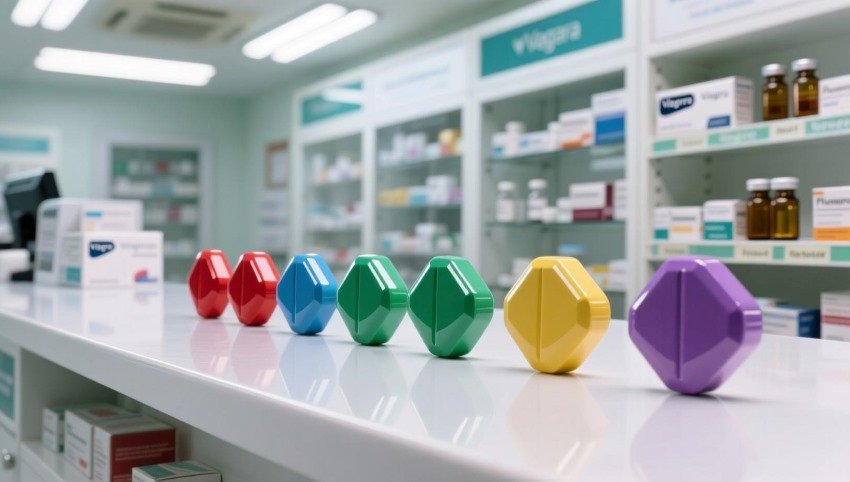
Today, generics account for a significant share of the global pharmaceutical market. Analysts estimate that in some countries, their share exceeds 70–80% of all prescribed medications. This is due to several factors: more affordable prices, proven quality, and widespread availability.
At the same time, demand for generics is growing not only in government healthcare programs but also at the consumer level. People are increasingly looking for ways to buy proven medications at a lower price, and the pharmaceutical market is responding to this demand.
Thus, generics have ceased to be a «cost-saving alternative» and have become a full-fledged driver of the pharmaceutical industry. They influence pricing, manufacturer policies, and even access to healthcare for the population.
Conclusion
Generics aren't «second-rate drugs,» but a fully-fledged part of the global pharmaceutical industry. They undergo quality testing, help reduce prices, and make treatment more accessible. For some, this is an opportunity to save money, while for others, it's a chance to get the treatment they need.
This is a great example of how science, economics and law work together: first, an expensive exclusive, then – mass availability.
The material is for informational purposes only and does not constitute medical advice.