

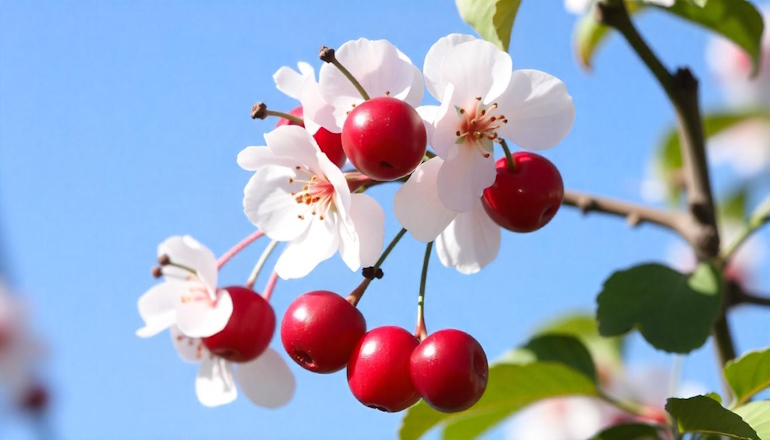
Cherries and sweet cherries — These are two species of stone fruit trees of the genus Prunus, which are often confused due to their external similarity.
However, they have important differences in biology, flavor, uses, and even cultivation methods. These differences become especially noticeable when examining their characteristics closely. In this article, we will examine in detail the key differences between cherries and sweet cherries, including their flavor, culinary uses, and general botanical differences.
Botanical differences
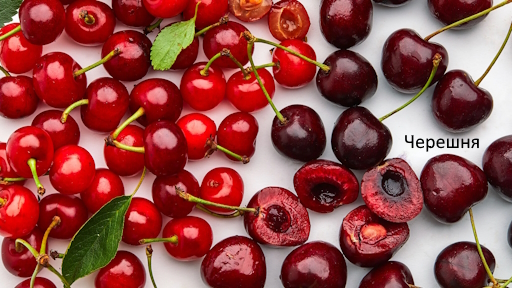
Cherry (Prunus cerasus) и cherry (Prunus avium) They belong to the same genus but are different species. Sweet cherries are most often referred to as "sweet cherries" because their fruits have a sweeter flavor than the sour cherries. Sweet cherries are tall trees, reaching heights of up to 20 meters, while sour cherries are shorter plants, typically growing no more than 3-10 meters. It's also important to note that sweet cherries are more tolerant of cold climates, while sweet cherries require warmer conditions to thrive.
Taste characteristics
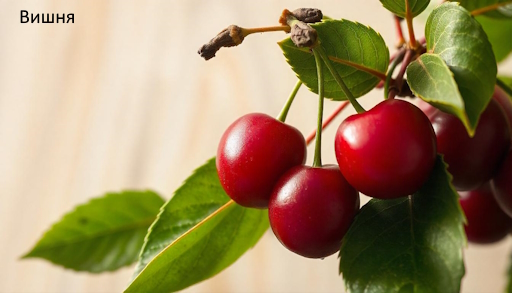
The flavor differences between cherries and sweet cherries are obvious. Sweet cherries have a sweet, rich flavor, which is why they are often eaten fresh. Cherries, on the other hand, have a characteristic sweet-tart taste and are more often used in cooking, especially in jams, compotes, pies, and sauces. This tartness in cherries is due to their high content of organic acids, which also makes them popular for canning.
Example: Cherries are excellent for making fresh desserts, and cherries are used to make cherry jam and as an ingredient in baked goods, such as the famous Black Forest cake.
Culinary uses
Cherries are mostly eaten fresh or added to salads and light desserts. Due to their delicate flavor, they do not handle heat well and quickly lose their flavor when frozen.
Cherries, on the other hand, thanks to their acidity, retain their texture and flavor even when cooked. Therefore, they are often used in confectionery, for example, in pies, cakes, and sauces. They are also the basis for the production of cherry liqueurs, including the famous Kirschwasser, which is widely used in European cuisine.
Nutritional properties
Cherries are rich in vitamins, especially vitamin C, and antioxidants such as anthocyanins, which give them their vibrant color and promote cardiovascular health. Cherries, in turn, are known for their high vitamin A and antioxidant content and are considered a good source of melatonin, a hormone that regulates sleep.
Example: Cherry juice is recommended for improving sleep due to its high melatonin levels, and cherries are recommended for strengthening the immune system due to their vitamin C content.
Fruit color and structure
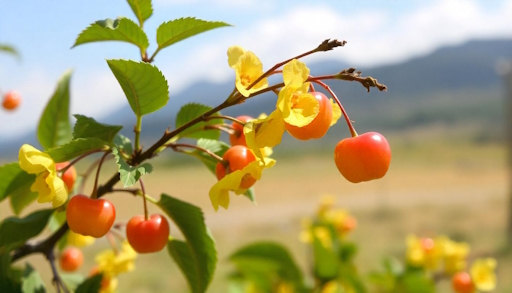
Another obvious difference is the fruit's color. Sweet cherries are usually light or dark red, sometimes almost black. Sweet cherries, on the other hand, are often darker, and their fruit can be almost burgundy or deep red. Sweet cherries also have a firmer texture and juicier flesh.
Example: Sweet cherries can be found in a variety of shades, from yellowish-pink to deep red, depending on the variety, while sour cherries are always a rich dark color.
Conclusions
Thus, despite their similar appearance, cherries and sweet cherries differ significantly in both their botanical characteristics and culinary uses. Sweet cherries are best eaten fresh due to their sweet flavor, while sour cherries are used in a variety of dishes and drinks. These differences make both fruits indispensable in various culinary and horticultural applications.