


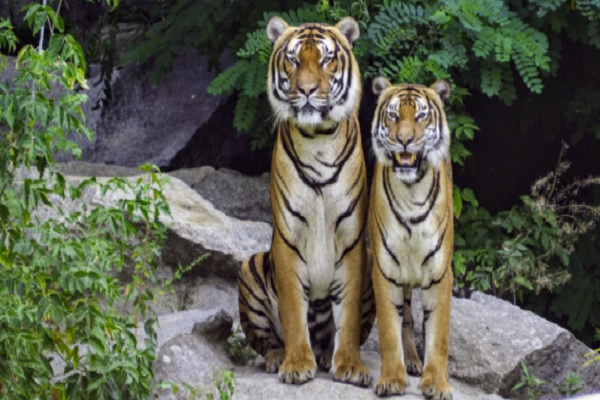
Endangered species are threatened with extinction worldwide. Many animal species are rapidly disappearing. Species extinction occurs for various reasons, such as habitat loss and loss of genetic diversity. Therefore, governments and non-governmental organizations are joining forces to ensure the conservation of these animals in their natural habitats and in captivity. Institutions such as zoos and wildlife sanctuaries play a major role in this captive breeding program.
Captive breeding is the process of breeding animals in a human-controlled environment for their own conservation. It is a widely used management method for increasing animal populations. Captive breeding is not an easy task; there are many factors to consider to ensure the long-term survival of wild animals.
If you are involved in the breeding of wild animals, here are some practical tips to help you on this challenging but rewarding journey.
Select a self-sufficient captive population
Many people still disapprove of captive breeding. This conservation process has been under close scrutiny for a long time. One of the biggest concerns is its survivability once released into its natural habitat. The longer it remains in captivity, the less likely it is to survive in the wild. For these reasons, choosing a self-sustaining captive population is the most practical option. Trained animals and their innate behavior will play a significant role in survival during reintroduction.
There are no known annotated lists of self-sustaining species, and they are difficult to quantify. Domesticated wild animals include Father David's deer, common marmosets, eagle owls, Harris's hawks, saker falcons, green-winged macaws, and golden lion tamarins. Finally, you must practice good genetic and population management to facilitate the entire process. Your efforts may be wasted if you breed species that thrive for several generations and then go extinct.
Create an adequate and protected habitat
Habitat management is the most important aspect of wildlife conservation. The loss of adequate and protected habitat poses a huge threat to these species. There are five essential elements that must be present to create accessible habitat for animals.provide food, water, shelter and space, to ensure that your breeding efforts will work.
Food
Consider what foods the species you're raising thrive on. Check whether the wild animal is a carnivore, herbivore, or omnivore, and ensure it has enough food. Too little or too much food can disrupt the habitat. Furthermore, let them hunt or forage for food as much as possible. This will ensure their survival when released into their natural habitat, where they need to hunt for their food.
Water
Water is essential for all living things. A good habitat must have a water source. You should provide an adequate water source where animals can easily access it. Although water needs vary, they all need it at some point.
Shelter
Shelter is what animals need to protect them from harm, such as predators and weather conditions. It allows them to feed, reproduce, roost, nest, and travel. Shelter requirements vary from species to species; they can include weeds, bushes, rocks, or perches. Animals must be protected from anything that caused their previous decline.
Space
Sufficient space is necessary to avoid competition for food or interruption of the breeding process. Most wild animals are territorial and require a certain amount of space for themselves. Animal fencing, such as deer fencing, is one option for containing animals. Fencing will prevent overcrowding and the spread of diseases. However, ensure the arrangement remains appropriate to allow them to adapt after release.
Learn methods for preparing animals for reintroduction
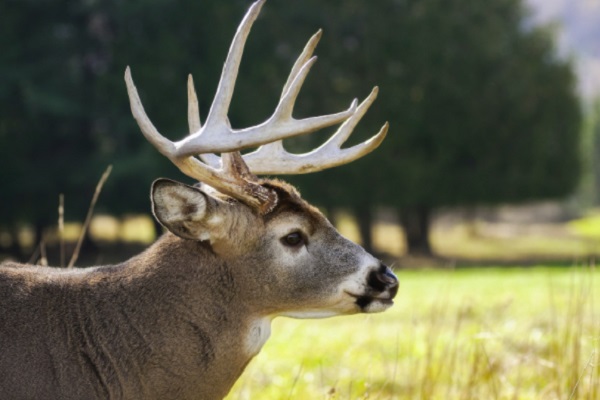
When breeding wild animals, you need to learn methods for preparing animals for reintroduction into the wild. Use and adhere to breeding plans and species management procedures that will minimize negative impacts on the animal. Here are some techniques you can use:
- Mimic the diet you feed them to the diet they get in the wild (fasting based diet).
- Expose them to predators so they can learn the flight response.
- Introducing live prey.
- Monitor estrus and separate animals.
- Observe any changes in skills.
- Observe how they interact with members of their own species and other species.
- Train their ability to find and process.
Before releasing them, you must assess their long-term survival risks and the current status of the entire species. An external specialist can assist you with this, overseeing any program that would facilitate the species' reintroduction. Breeding animals is a huge step toward preventing species extinction, and this entire program and process are designed to ensure that all efforts are in vain.
Benefits of Wildlife Farming
- Create animal populations so that they can be demographically stable.
- Avoid inbreeding by preserving the gene pool.
- To protect the population from diseases and other causes of population decline.
- Make sure the animals are genetically healthy.
- Monitoring successful reproduction.
The problem of endangered species needs to be addressed, and captive breeding can be a useful way to address it. While it's quite expensive and requires extensive knowledge and effort, it's a key part of the survival and recovery of most wild species. These three practical tips and conservation measures can help you achieve greater success. For more information on captive breeding programs, you can use a variety of resources, including research, books, visual aids like videos and television programs, and more.
As a breeder, you must consider many factors, such as the species' genetic makeup, ecological impact, behavioral issues, and, most importantly, the ethical concerns you may face. To succeed in wild animal breeding, you can collaborate, cooperate, and coordinate with multiple institutions pursuing the same goal. A final thought worth considering is that everyone's quality of life will be significantly improved if we care for animals, plants, the environment, and the entire planet.