


Many cities around the world have preserved historical artifacts bearing the marks of ancient times, and every corner of the country is filled with unique natural beauty. Turkey is also a very rich country in terms of biodiversity. Many plant and animal species are found only in Turkey. Moreover, the Anatolian region is home to ruthless and charming predators that most of us have only seen in documentaries. So, what wild animals live in Turkey? Here are the 9 wildest animals you can see in Anatolia.
1. Leopard

The leopard tops the list of wild animals in Turkey. Yes, although it may seem surprising at first glance, Turkey is also home to these predatory cats. Historical records indicate that in ancient times, especially during the Roman Empire, Anatolia was home to numerous leopards. In the last century, leopards were known to inhabit cities such as Izmir, Ankara, and Bolu. In other words, spotting these predatory inhabitants of Anatolia is quite possible. However, today, spotting a leopard in Turkey is difficult, as their numbers are rapidly declining. On the other hand, some of our readers may remember the news of a leopard attack on a shepherd in Diyarbakir in 2013! More recent leopard news came from Iğdır. As of now, 2022 is the last date a leopard was spotted in Anatolia.
2. Grizzly bear
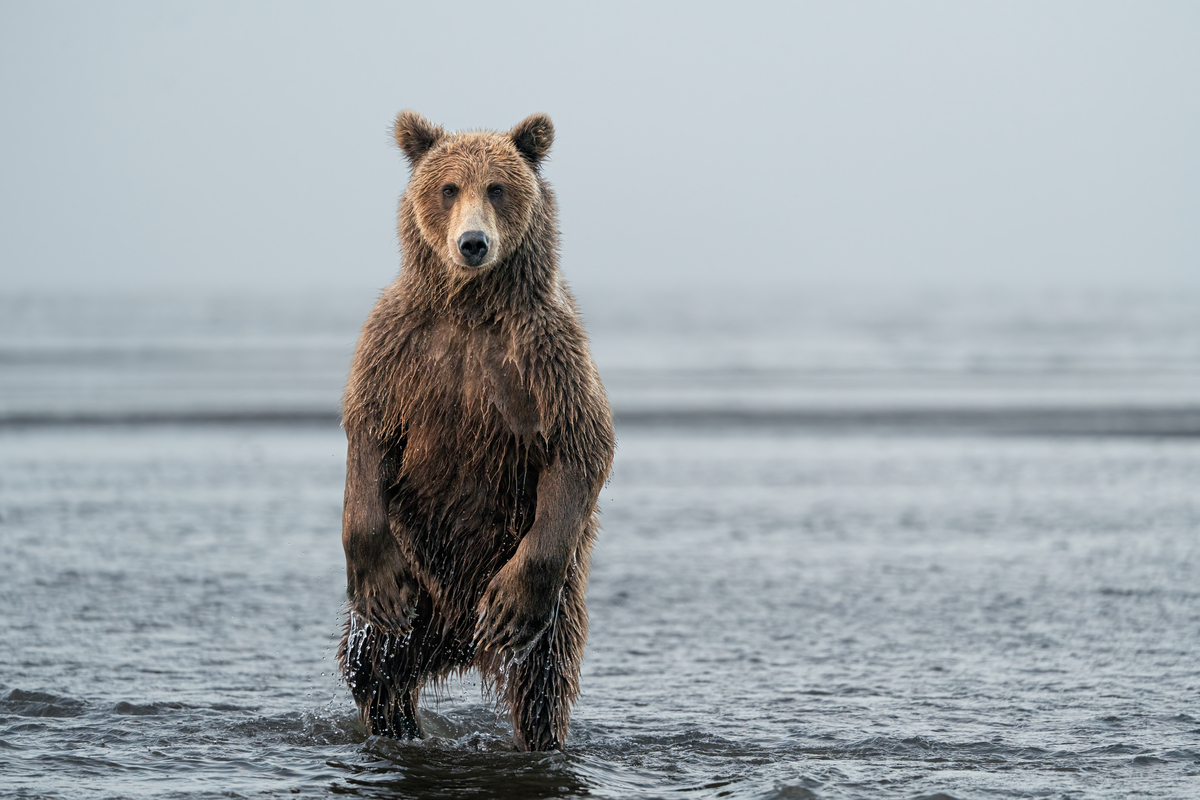
The brown bear, one of the wildest animals in nature, is the most important representative of the wild animals found in Turkey. These creatures, found particularly frequently in the natural areas of the Black Sea region, are extremely fast and powerful predators.
3. Wolf
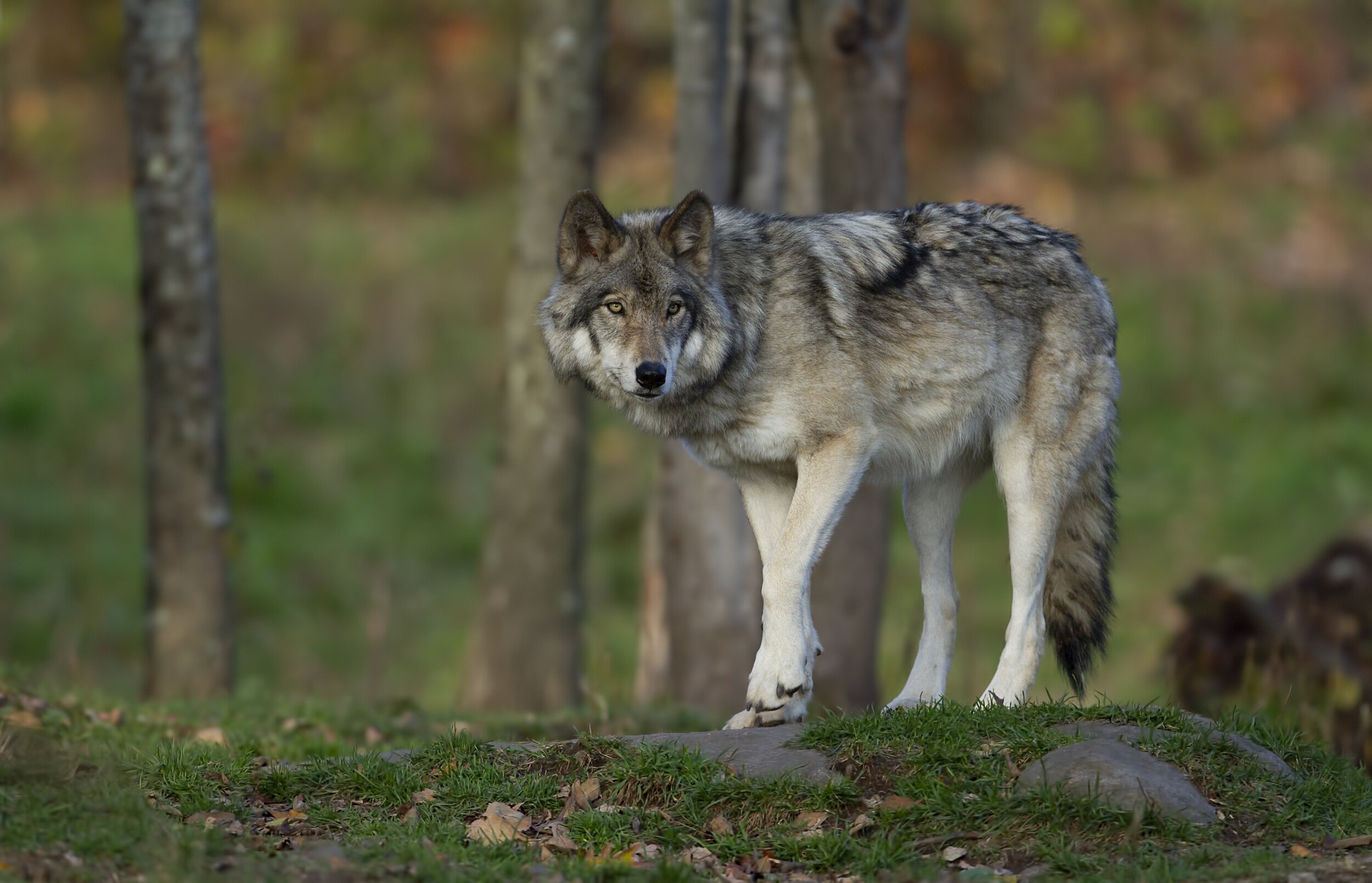
The wolf, one of the predators that can be seen in almost every region of Turkey, especially in Thrace and Southeastern Anatolia, is the wild animal with the largest population, along with brown bears.
4. Caracal

The caracal, whose existence in Turkey was first discovered in 2002, is an animal native to Central Asia, the Middle East, and Africa. Unfortunately, finding any traces of this endangered predator is difficult, but not impossible. The Southern Taurus Mountains, the Konyan Basin, and southeastern Anatolia are the most important habitats for these creatures.
5. Lynx

Lynxes are among the most unusual and rare predators in nature. Moreover, they are truly extremely wild. However, the lynx population on our planet is declining daily. Some representatives of this unique species continue to live in Turkey. Although their numbers are extremely small, this creature, which can be seen almost everywhere in Turkey except the Sea of Marmara, was last captured on camera in Tokat about a month ago.
6. Black vulture
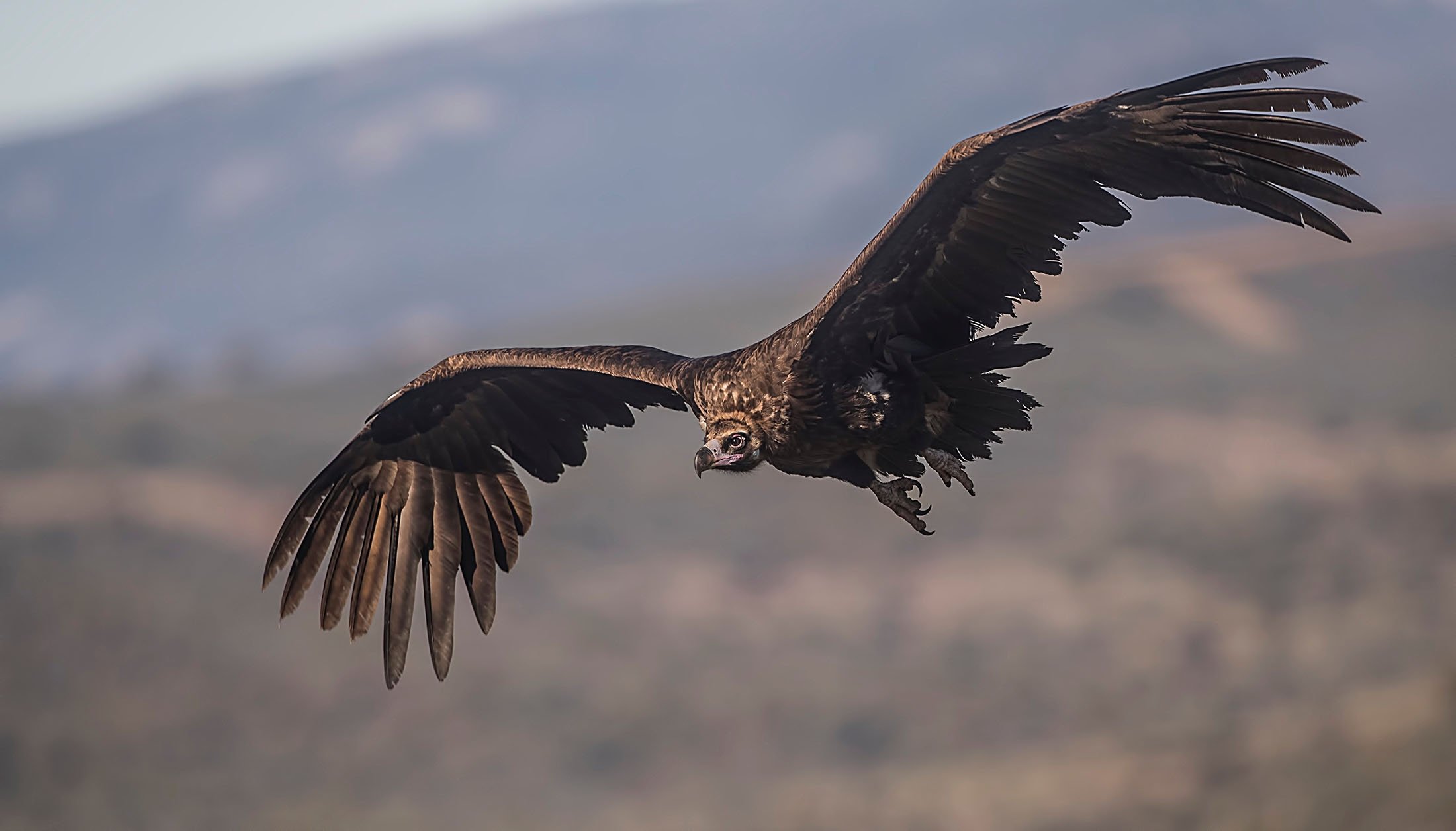
With a wingspan of up to 3 meters, the Cinereous Vulture is the largest bird of prey in Turkey. It is also one of four vulture species in Turkey and one of fifteen worldwide. However, this wild creature is also endangered. Nevertheless, Turkey is home to the second-largest population of Cinereous Vultures in Europe. Moreover, the Cinereous Vulture population is said to have increased thanks to conservation efforts in recent years. Sarikamış, Kızılcahamam, Eskişehir, Ankara, Bolu, Kütahya, and some cities in Central Anatolia are the regions where this unusual creature is most often spotted.
7. Striped hyena

Striped hyenas are one of the wild animals native to Turkey, but they are extremely difficult to spot. Their primary habitat is the Southeastern Anatolia region, where they can become quite aggressive and ruthless, especially when gathering in packs. These endangered creatures were last seen in 2023 and the first few months of this year.
8. Golden Jackal

The golden jackal, also known as the common jackal, is one of the wild animals native to Turkey. These creatures, which can survive almost anywhere in Turkey, prefer to live away from humans due to their shy nature. For this reason, encountering a jackal is unlikely during any nature trip.
9. Shark
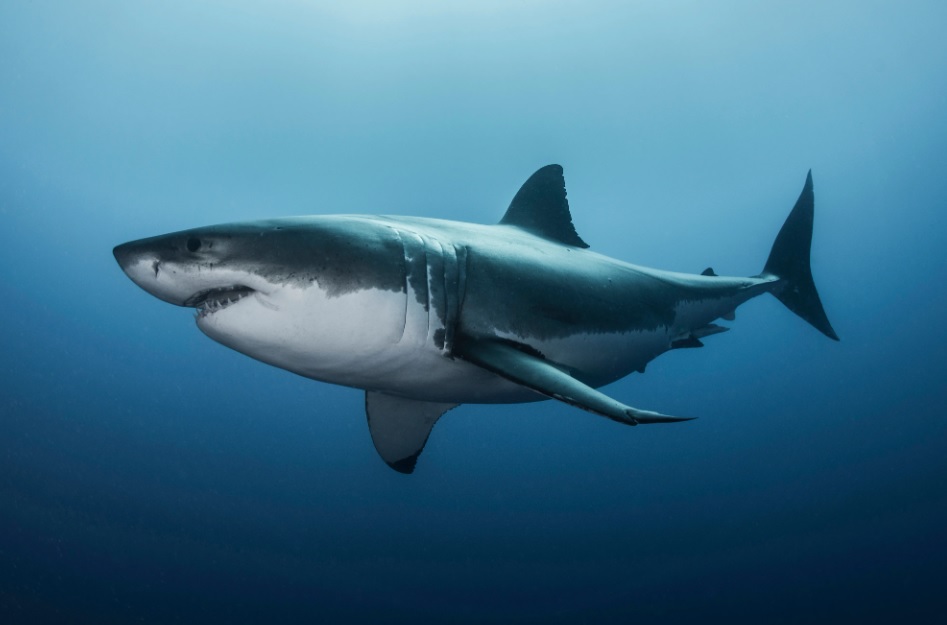
Last on Turkey's list of wild animals are sharks—the ruthless killers of the seas. Yes, 34 of the approximately 400 known shark species can be found in Turkey's seas. However, experts say the shark population in Turkey has been declining, especially recently.
Share your opinion in the comments!