


Turkey is a country renowned worldwide for its historical and natural beauty. Fairy chimneys, particularly in the Cappadocia region, are among the unique natural formations that attract the attention of local and international tourists. However, the magic of fairy chimneys is not limited to Cappadocia. All over Turkey, you can find fairy chimneys as captivating and unique as those found in Cappadocia. In this article, we've compiled a list of fairy chimneys located in various regions of Turkey, waiting to be discovered.
1. Kuladokya/Kula, Manisa

This region, similar to Cappadocia yet distinctly different, is known as Kuladokya. The soil structure here creates formations resembling "fairy chimneys," similar to those in Cappadocia, and locals call this place Kuladokya. The historian Strabo of Amasya arrived here 2,000 years ago and named it "Katakekaumene," meaning "Scorched Land." Strabo describes the region as follows: "There are no trees here, the surface of the land is mountainous and rocky, as if it had been turned pitch-black by fire…" In 2012, Kuladokya was registered as a "Natural Monument," declared a protected area, and placed under conservation.
2. Vanadokya / Baskale, Van

This geological wonder of nature, poised to contribute to Van's tourism development, is located in the village of Yavuzlar in the Başkale district. Not only the "fairy chimneys" but also numerous tunnels and caves in this region await discovery by tourists. Vanadokya is located approximately 33 kilometers from the center of Başkale, a 30-minute drive away. The "fairy chimneys" in Yavuzlar were formed by the erosion of rocks ejected by the Yiğit volcano, rainwater, and wind, and these formations are similar to those found in Cappadocia. Locals living here drew inspiration from Cappadocia and named their village "Vanadokya.".
3. Narman Fairy Chimneys / Narman, Erzurum

Due to the color of the formations in this area, this place is also called the Land of Red Fairies. The "fairy chimneys," which are natural monuments, are unique due to their colors and formation characteristics. Particularly noteworthy is their red color, similar to their counterparts in the Colorado Canyon. Furthermore, the formation of these fairy chimneys is the result of the mixing of red sandstone and pebbles of the same color, as well as compressional tectonics. The "Narman Fairy Chimneys" are located near the village of Yanıktaş and cover an area of approximately 6,300 hectares. They differ from the "fairy chimneys" in Cappadocia in that the local formations have a sedimentary structure. While the Cappadocian fairy chimneys have volcanic features, the Narman fairy chimneys have a sedimentary structure.
Cave Hotels: 10 Unusual Hotels in Cappadocia with Stunning Architecture
4. Valley of the Fairies Simav / Simav, Kütahya

The Simav Valley of Fairies is a valley in the Aegean region known for its "fairy chimneys." It is located in the Sarıyer district of Yeniköy, in the Simav district of Kütahya. Locals sometimes call it "the Valley of Fairies," sometimes "the Yeniköy Fairy Chimneys," and sometimes "the Simav Fairy Chimneys." Whatever your preferred name, we recommend a visit. It is 415 km from Istanbul, 213 km from Izmir, 119 km from Balıkesir, and 170 km from Kütahya. Tourism development efforts in the region are just beginning.
5. Fairy Chimneys of the Phrygian Valley / Icehisar, Afyon

Since Afyon is of volcanic origin, fairy chimneys can be found in the districts of İhsaniye, İcehisar, Bayat, and Bolvadın. Thanks to the "Tourism Belt" located in the Phrygian Valley and established by the Governor of Afyonkarahisar, you can visit and discover these natural formations by following a route that connects these fairy chimneys.
6. Reason / Bolu

Seben, located in the Aladag River valley south of Bolu, continues to preserve the mysterious sites of Phrygian settlement from the depths of history to the present day. This area, a popular weekend getaway for nature and history buffs, is located in the village of Solaklar, three kilometers from the Seben district. Situated on volcanic soil, this area offers a landscape full of cliffs, fairy chimneys, caves, fascinating canyons, and conical rocks that have been eroded for hundreds of years. Visitors consider this place a miniature Cappadocia.
7. Selim Fairy Chimneys / Aksaray
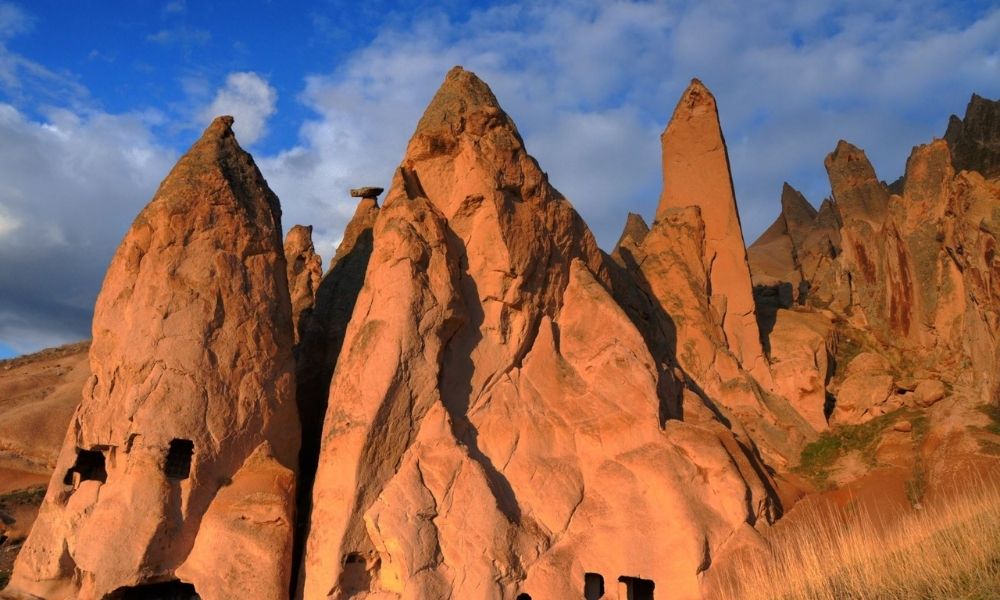
Selime, attractive for its proximity to Nevşehir and similar soil structure, is famous for its "fairy chimneys." In particular, hundreds of "fairy chimneys" of varying sizes, located near the town of Aksaray in Selime, known as the gateway to Cappadocia, attract the attention of both local and international tourists. The region also includes Selime Cathedral, where Christians held their first major religious services approximately 1,700 years ago. This area, home to fairy chimneys similar to those found in other parts of Cappadocia, is a major tourist attraction.
8. Fairy Chimneys of Mesheli Village / Shavshat, Artvin

Artvin is often remembered for its lush green nature and the hidden paradise of Karagöl. But there's another natural wonder here. The "fairy chimneys," located in the village of Meşeli in the Şavşat district, are one of nature's most captivating beauties. In this region, you can observe the fairy chimney formations from above, while in Cappadocia, they can be seen from below. The fairy chimneys rise among the pine trees, offering magnificent views. Near this natural wonder, within the Karagöl-Sahara National Park, lies Lake Çil. While you're here, you definitely shouldn't miss Lake Çil.
9. Stone Chimneys of the Fairies of Sakaeli Gelincik / Center, Çankırı

The village of Sacaeli, located in the Orta district of Çankırı, attracts attention with its historic rock-cut settlements, reminiscent of those in Cappadocia. These Roman and Byzantine rock-cut settlements attract the attention of those wishing to explore the region. The rock-cut settlements in this area, known locally as the "Fairy Chimneys of Çankırı," were declared a first-degree archaeological site in 1990. These structures, composed of pebble sedimentary rock and containing approximately 130 stone cavities, have remained resilient over time.