

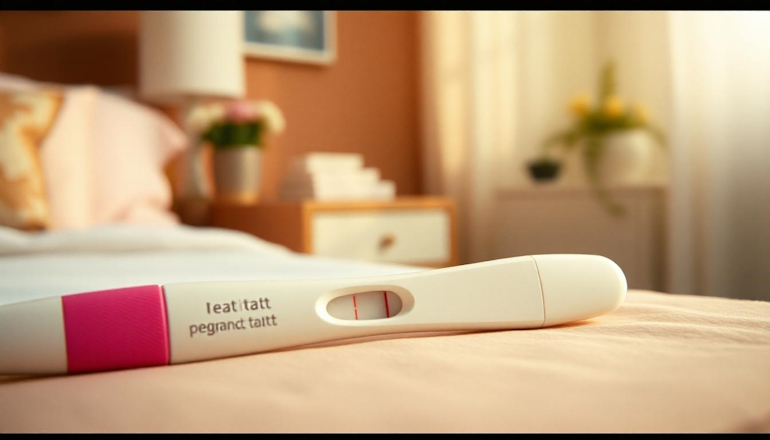
Pregnancy test — is a simple and quick way to determine pregnancy, which can be done at home.
The basic principle of these tests is based on the detection of human chorionic gonadotropin (hCG) in a woman's urine. This hormone begins to be produced in the body shortly after the egg is fertilized and the embryo implants in the uterine wall. hCG is responsible for maintaining pregnancy by stimulating the production of progesterone, which is necessary for embryonic development.
Pregnancy tests are divided into home and laboratory. Home tests include strips, cartridge tests, and flow tests that detect the presence of hCG in urine. Laboratory tests analyze hCG levels in the blood and can provide more accurate results in the early stages of pregnancy.
Chemical composition and mechanism of action of the dough

A standard pregnancy test consists of a strip or cartridge containing reagents that react with hCG in urine. The test contains a membrane impregnated with antibodies specific to this hormone. When urine comes into contact with the test strip, the antibodies bind to the hCG molecules, if present. This reaction causes a colored indicator to appear on the strip, indicating the presence or absence of pregnancy.
There are several types of pregnancy tests, varying in their sensitivity to hCG levels. More sensitive tests can detect pregnancy as early as 7-10 days after ovulation, while less sensitive tests may require longer to provide an accurate result. Test sensitivity is usually indicated on the packaging in international units per liter (mIU/ml). The lower this value, the earlier the test can detect pregnancy.
Accuracy and possible errors
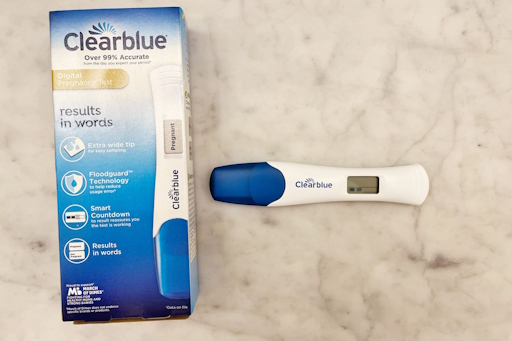
Pregnancy tests are approximately 97-99% accurate when used correctly and according to the instructions. However, a number of factors can affect the results. For example, testing too early can result in a false negative if the hCG level in the body has not yet reached sufficient levels for detection. Also, using urine that is too dilute, such as after drinking a large amount of fluid, can reduce the hCG concentration and make it more difficult to detect pregnancy.
False positive results are less common, but may occur if you are taking medications containing hCG or if you have certain medical conditions, such as tumors, that can stimulate the production of this hormone.
Tips for using the test correctly
To ensure the most accurate results, it is recommended to use the pregnancy test in the morning, when the hCG concentration in your urine is highest. It is important to strictly follow the package instructions and avoid using an expired test, as this may affect its performance. If the test result is unclear or in doubt, it is recommended to repeat the test in a few days or consult a doctor for more accurate testing.
Pregnancy tests, available in pharmacies, offer an affordable and convenient way to determine pregnancy early. However, they are not a substitute for a doctor's consultation, especially if the results are inconclusive or if you have any medical questions.