


Hormone replacement therapy (HRT) - This is a way to compensate for the lack of hormones that the body no longer produces in sufficient quantities.
Description: We'll explain what HRT is, who it's suitable for, how it's administered, and what risks it carries. We'll explain it in simple terms, highlighting important details.
This is especially relevant for women in menopause, when estrogen levels drop sharply. But not only. In some cases, HRT is prescribed to both men and young women after ovarian removal.
Is your energy level dropping? Are you experiencing frequent mood swings? Are you having sleep or skin problems? All of these could be the result of a hormonal deficiency. And if your hormones are failing, it's logical to restore them. That's where HRT comes in.
However, this isn't a universal solution. For some, it's a lifesaver. For others, it's categorically contraindicated. The question isn't «to do or not to do,» but «who, when, and how.».
When is HRT prescribed?
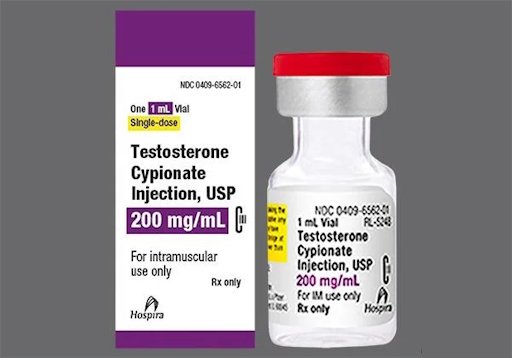
For bodybuilders HRT is not prescribed for the purpose of increasing muscle mass, as many people think, but in the case of clinically confirmed hypogonadism — a decrease in the body's testosterone levels below the physiological norm. This may be a consequence of aggressive steroid courses, age-related changes, or congenital endocrine disorders. The key condition is the presence of symptoms: decreased libido, chronic fatigue, impaired recovery after training, depression, and fat gain. The diagnosis is confirmed by blood tests—at least twice, taking into account daily hormonal fluctuations.
If testosterone levels are consistently low and the body fails to recover even after long-term PCT, an endocrinologist may prescribe permanent or temporary HRT. The goal is to return hormonal levels to physiological levels and improve overall well-being and metabolism. The dosage is individually adjusted, strictly within medical standards, and not in “anabolic” doses.
Athletes need to understand that HRT is not a course, but a lifelong support, and the approach to it should be as responsible as possible.
For ordinary people HRT is prescribed when it is confirmed hypogonadism — a condition in which the body produces insufficient testosterone. This can occur for natural reasons, such as with age, when androgen levels gradually decline, or due to diseases of the pituitary gland, testicles, chronic stress, excess weight, or diabetes. The main indications are a combination of symptoms (constant fatigue, decreased libido, depression, muscle weakness, and poor sleep) with laboratory-detected decreased testosterone.
HRT is not prescribed “on request” – only if there are medical indications and under the supervision of a physician.
The list of indications is broad, but not endless. Most often, therapy is prescribed for:
- pronounced symptoms of menopause: hot flashes, sweating, irritability;
- dry mucous membranes and pain during sexual intercourse;
- increased risk of osteoporosis;
- premature menopause or removal of the ovaries;
- some forms of hypogonadism.
Each case requires a personalized approach. You can't simply «prescribe estrogen.» Analysis, risk assessment, and sometimes genetic testing are needed.
When is HRT dangerous?
There are conditions in which hormones are not a cure, but a risk:
- breast or endometrial cancer (current or past);
- thrombosis, especially venous;
- severe liver diseases;
- unexplained bleeding;
- pregnancy (yes, it happens – and here hormones can cause harm).
Even if contraindications are relative, therapy should be carried out under strict supervision. Self-medication is prohibited. These are not dietary supplements or herbs.
Forms and options of therapy
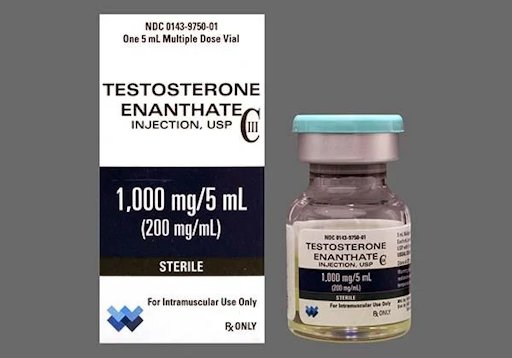
Hormone replacement therapy for men can be administered in several forms, each tailored to the individual's lifestyle, age, health, and preferences. The most common are injectable forms (enanthate, cypionate, and undecanoate), which are administered periodically and maintain stable testosterone levels. Alternatives include topical gels and creams, which are applied daily and absorbed through the skin, as well as testosterone patches, which maintain hormonal levels throughout the day. Subcutaneous implants and oral medications are less commonly used, as they are less stable and more likely to cause fluctuations in androgen levels.
HRT isn't just about pills. There are many options:
- gels and patches are convenient and reduce the load on the liver;
- Vaginal creams - spot treatment;
- injections - less commonly used, but also possible;
- Tablets are the classic route, but with some nuances.
The choice depends on the goal. Do you need to restore overall health? Support mucous membranes? Prevent osteoporosis? Your doctor's prescription depends on these factors.
Side effects and risks
Although properly prescribed HRT can significantly improve quality of life, it is not without potential side effects. Among the most common are acne, fluid retention, irritability, increased red blood cell count, and decreased fertility. Prostate enlargement is possible with long-term use, so therapy requires regular monitoring of prostate-specific antigen (PSA). Suppression of natural testosterone production may also occur, making discontinuing therapy challenging without appropriate support. Therefore, HRT should always be administered under medical supervision and based on objective testing.
Any therapy is a balancing act, and HRT is no exception. Potential side effects include:
- headaches;
- nausea;
- chest pain;
- unstable mood;
- swelling;
- increased risk of thrombosis (especially in women smokers over 50).
Long-term use of combination regimens may increase the risk of breast cancer. This isn't always the case, and it doesn't affect everyone, but it's important to be aware of.
Conclusions
HRT isn't a fad. It's a serious therapy that can dramatically change a woman's life during a challenging hormonal period. It can eliminate insomnia. Restore libido. Protect bones. Smooth out mood swings.
But miracles don't happen. You can't just “take hormones.” You need to undergo an examination, understand the risks, choose a personalized plan, and be monitored.
The main thing is not to be afraid of questions. And it's best to ask them to a specialist, not a forum.