

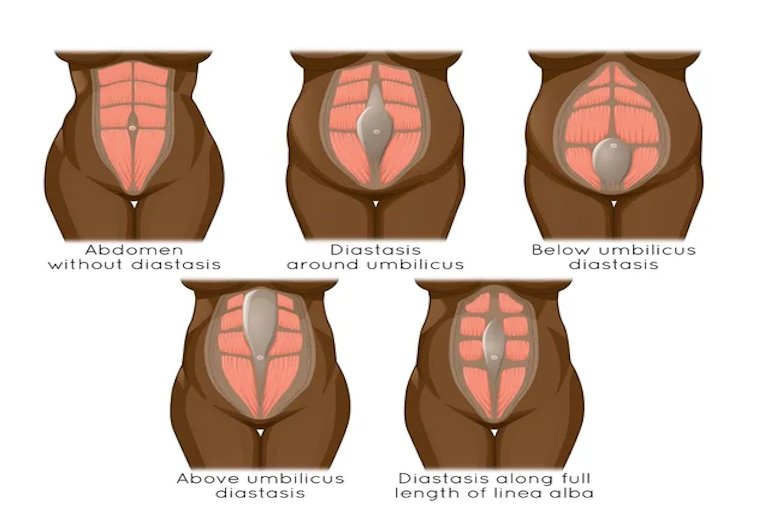
Diastasis — this is a condition that is faced not only by women after pregnancy, but also by men and even children.
Description: A detailed explanation of diastasis: its causes, symptoms, and effective ways to restore abdominal muscles and improve posture.
Here's how it happens: your belly suddenly starts to protrude, and you think it's just excess weight or fatigue. But no, the cause could be deeper. Diastasis recti is a separation of the rectus abdominis muscles, and it seriously impacts how your body functions on a daily basis. Do you have back pain? Poor posture? It could be because of weak core muscles and improper load distribution.
The main cause is increased intra-abdominal pressure. This is understandable during pregnancy: the growing uterus stretches the tissues. But you'd be surprised how easily this process can occur even in those who haven't carried children. Intense workouts with improper technique, rapid weight gain, or age-related changes—all of these things wear down the connective tissue, and it can't handle it anymore. And you simply don't notice how your belly bulges and the discomfort appears.
Have you ever tried to lift your torso and noticed a bulge in the middle of your abdomen? This is a clear sign of diastasis recti. Lower back pain is also often not a random occurrence—the abdominal muscles can't support the spine, and the strain is transferred to the back. You may also notice in your daily life that even simple movements have become more difficult—all because your core is losing stability.
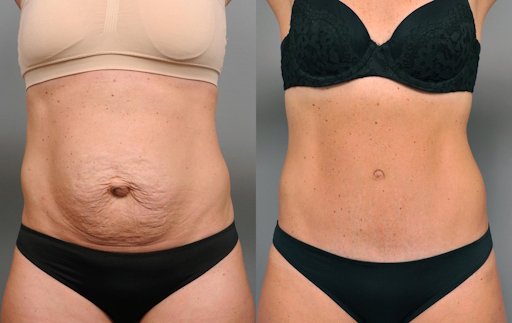
Diagnosis involves more than just inspection and palpation. Modern ultrasound imaging allows us to determine the severity of muscle separation and the condition of the connective tissue. This is crucial—the sooner the problem is identified, the easier it is to treat. Otherwise, if left untreated, serious complications can occur.
So what should we do? The foundation of treatment is strengthening the core muscles. This isn't just about doing crunches; it's about working the transverse and oblique abdominal muscles, which support the internal organs and stabilize the spine. Proper technique and controlled breathing are what really help get the body back on track. It's like rebuilding a house's foundation: without a strong foundation, no walls will last long.
If the diastasis is severe, with hernias or muscle dysfunction, surgery is necessary. The surgeon returns the muscles to their proper position, and then begins the important rehabilitation phase. Physical therapy, massage, and therapeutic exercises are essential for full recovery.
But you can and should try not to take it to extremes. Prevention is the key to health: regular exercise, weight control, and proper movement technique, especially during and after pregnancy. You may think it's just cosmetic, but diastasis is actually a threat to your health. It reduces core stability, causes pain, and impairs posture.
It's especially important for active people and athletes to be aware of the risks. Lifting heavy weights without proper preparation puts not only your muscles but your entire spine at risk. Incorporate stabilization elements into your workouts and don't forget about stretching.
Athletes are also susceptible to diastasis: bodybuilders, for example, often experience diastasis, although many believe it's a problem exclusively for women after pregnancy. In fact, this group is even more at risk for developing a rectus abdominis separation—and here's why. During intense training with heavy weights, intra-abdominal pressure increases sharply. This is especially true when performing exercises like barbell squats, deadlifts, or bench presses with heavy breathing and improper technique. Constant pressure on the anterior abdominal wall can stretch and weaken the linea alba—the connective tissue that holds the abdominal muscles together.

If the core muscles are weak or not used correctly, the risk of diastasis increases. Furthermore, bodybuilders often undergo rapid weight gains, which puts additional strain on the ligaments and fascia. Sometimes the problem manifests as a protruding abdomen even with good muscle mass, which can cause not only cosmetic discomfort but also decreased core stability, lower back pain, and poor exercise technique.
Modern research shows that early diagnosis and a comprehensive approach to treatment are the keys to success. Don't ignore your body's signals, even if they seem insignificant. After all, diastasis recti isn't a death sentence. It's a chance to change something in your body, restore your health and self-confidence.