


There are many dishes in cooking that delight us with their taste and aesthetics.
Pies and cakes hold a special place on the table: they can be an everyday treat or a festive centerpiece. However, there are many differences between these desserts, affecting not only the recipe but also their appearance, purpose, and preparation methods. In this article, we'll explore the differences between a pie and a cake in detail, exploring their history and characteristics, and providing specific examples.
Pies: a tradition from the depths of centuries
Pies have been around since ancient times. It's believed that the first pie-like treats were made in Ancient Egypt. They were made with flour, water, and fat, and the fillings ranged from meat to fruit. In Russian cuisine, pies became a symbol of hospitality: "No holiday without pie." Pie has always been perceived as an everyday dish, accessible to all social classes.
Cakes: An Aristocratic Art
The history of cakes dates back to the Renaissance. In Europe, exquisite cakes with cream decorations became popular at royal courts. They symbolized luxury and status, as high-quality sugar and flour were expensive at the time. Cakes gradually spread throughout the world, and to this day they remain a staple of celebrations.
Differences in composition
Pies are usually made from simple dough: yeast, shortcrust, or puff pastry. Its main purpose is to create a stable shell for the filling. An example is a classic apple pie, where the dough merely enhances the flavor of the filling.
Cakes are used more difficult test options. Typically, it's a sponge or puff pastry, which should be light and airy. For example, a classic Napoleon cake uses multiple thin layers soaked in cream.
Pie fillings can be both sweet and savory, such as meat pie or traditional Russian fish pie. Tortillas, on the other hand, are generally sweet, using creams, fruits, or chocolate. For example, the Prague pie features chocolate cream filling.
Pie decoration is minimal: their surface is sometimes brushed with egg or sprinkled with sugar. Cakes, however, are renowned for their rich decorations: fondant, whipped cream, and chocolate figures—all of which make them visually vibrant and festive.
Purpose and methods of submission
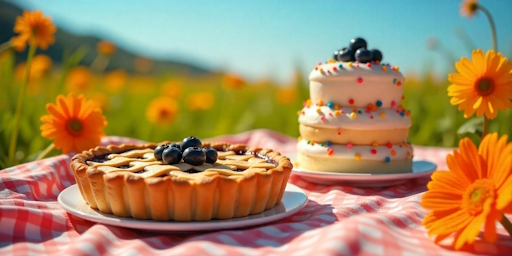
Pie — a versatile dish. It can be served for breakfast, dinner, or as a snack. Quiches are often taken to work or on the go. A good example is the French quiche, which is perfect for both a home-cooked meal and a picnic.
Cakes are always associated with special occasions: weddings, birthdays, anniversaries. They're not just food, but a symbol of celebration. For example, the famous "Red Velvet" is often chosen for wedding ceremonies because of its striking appearance.
Cooking technology
Making pies is simpler and takes less time. The dough is mixed quickly, then the filling is added, and the dish is baked. Many recipes, such as plum pie, can be prepared in less than an hour.
The cake-making process is more labor-intensive. It requires preparing several components: layers, creams, fillings, and decorations. An example is the "Medovik" cake, which requires baking several layers and then filling them with honey cream.
Popular options
- Pie “Charlotte”
A classic apple pie made with minimal ingredients. It's a quick and easy dessert perfect for teatime at home. - Napoleon cake“
A complex pastry that requires patience. Layers of puff pastry alternate with custard, creating a rich flavor. - Chicken pie
An example of a savory pie popular in various cuisines around the world. It can be made with potatoes, vegetables, or cheese. - Sour Cream Cake“
A budget-friendly and simple cake option that can be made with minimal ingredients, but the result will delight any sweet tooth.
Summing up
A pie and a cake aren't just two different dishes, but also two different concepts of preparation and presentation. A pie evokes the warmth of the hearth, simplicity, and versatility. A cake is a symbol of celebration, sophistication, and creativity. Understanding their differences will help you not only choose the perfect option for your occasion but also better understand the richness of culinary traditions.