

It's been almost 10 years since BMW Motorrad released the R nineT. Technologically, the boxer-powered roadster wasn't exactly groundbreaking. Its engine was an 1170cc version of BMW's oil-head twin-cylinder. It had fairly standard USD telescopic forks, a run-of-the-mill BMW Paralever rear end, and 17-inch spoked wheels. Despite this, the R nineT was a groundbreaking machine in the motorcycle industry.
What made the BMW R nineT special was the customization options it offered to owners. With a specially designed wiring harness, an easily removable bolt-on subframe, and automatic lighting accessories, BMW openly encouraged customization of the R nineT. They certainly offered a range of their own bolt-on conversion parts, but the real fun began when they teamed up with custom shops to create truly unique R nineT custom bikes. As a result, the R nineT became an instant hit and enjoyed strong sales over the past decade. But now, 10 years later, BMW has decided it's time for a refresh.
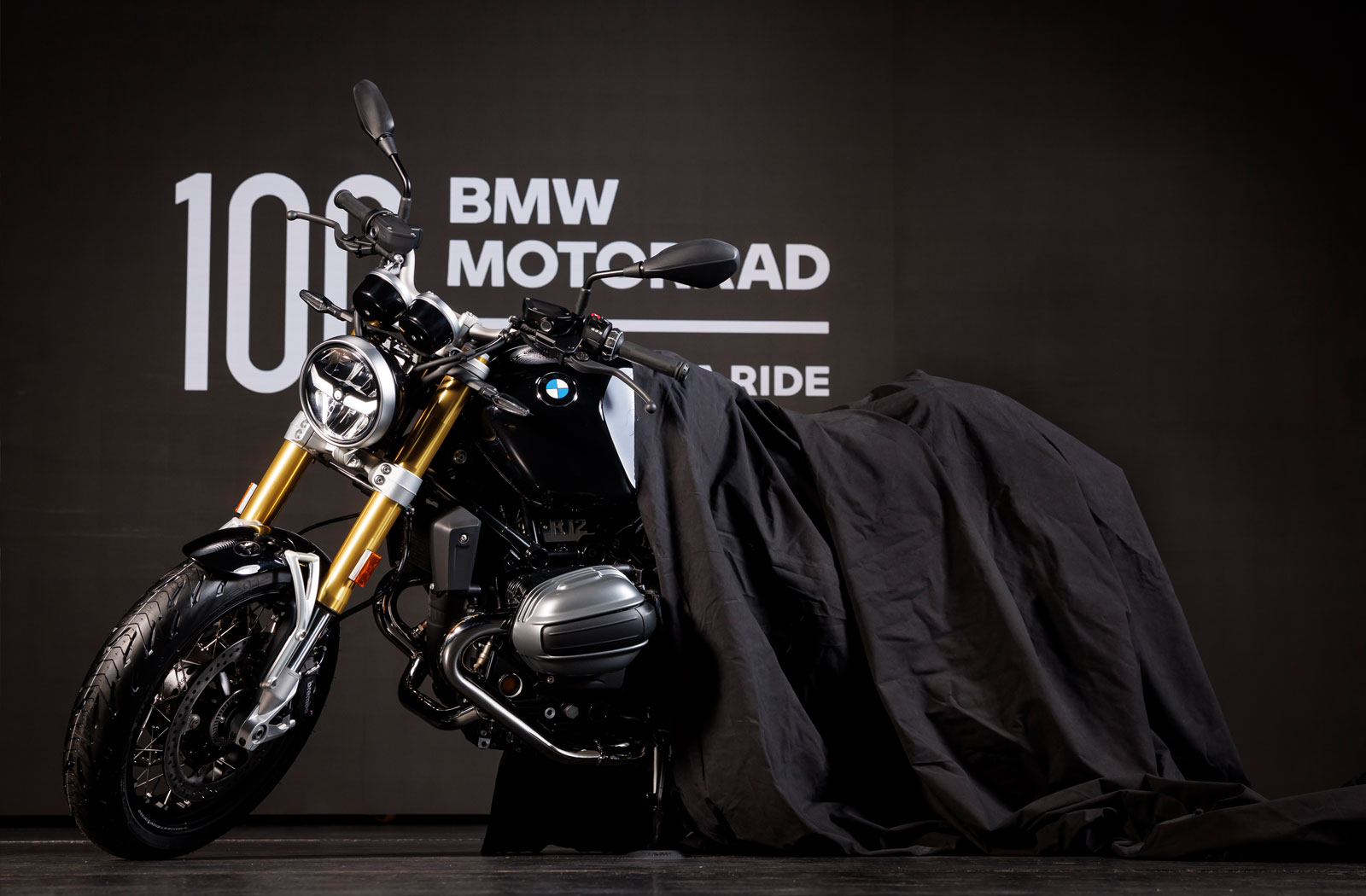
At BMW Motorrad's recent 100th anniversary, the manufacturer unveiled the biggest update to the R nineT range since its launch.
«"The R nineT and its customization concept created a new Heritage experience for BMW Motorrad's 90th anniversary and has become an indispensable cornerstone of our model line," says Dr. Markus Schramm, Head of BMW Motorrad. "The new R 12 nineT continues the successful history of BMW's legendary boxer engines with an even more classic, simplified design language, even greater freedom when it comes to customization, and, last but not least, new and innovative technologies.".
As Dr. Schramm noted, this new model is much more than just a name change and a few fancy upgrades. It's actually a significant redesign of the nineT platform, which should excite fans of the original motorcycle. So far, the German manufacturer has released only limited information about the new model's specifications, but here's what we know so far...
BMW R 12 nineT Style
«"The purist design language is dominated by a clear tank/seat/rear line in the style of the traditional /5 or the legendary R 90 S from the 1970s. At first glance, the tank itself is a classic BMW boxer tank with the typical curved lower edge and classic knee contact. The new R 12 NineT also features side covers in the frame triangle in authentic roadster style – another nod to BMW motorcycles of the 1970s," says Edgar Heinrich, Head of BMW Motorrad Design.
While the R 12 nineT looks very similar to its predecessor, the design changes are significant. BMW has taken a more angular approach with this new model. As a result, the new bodywork feels more '80s to me than the classic, flowing lines of the original nineT. The fuel tank is very similar to the 1980s R100 GS, right down to the high BMW logo. As for the tail, I think it's a dead ringer for the K75.
The motorcycle in these press photos is designed for solo riding, featuring a wasp-shaped cowling and a pillion seat. Passenger footpegs are not mentioned, but it's likely that this configuration uses aftermarket parts, which the brand will certainly offer to customers. The R 12 nineT will likely be sold with a double seat and a pillion seat. The side covers mentioned by Heinrich are a clear improvement over the silver brackets of the previous model, and the front fender struts, while still unmistakably modern, have a more classic look.
One change I wholeheartedly welcome is the removal of the snorkel intake on the right side of the current R nineT. This change leaves more of the Boxer twin in the line of sight, which is never a bad thing. Furthermore, the R 12 nineT's paintwork looks more black than gray. BMW has clearly eschewed the use of silver components, giving the new model a more aggressive appearance.
BMW R 12 nineT performance
The R12 nineT engine will be the latest version of the 1200cc, overhead-valve boxer engine. This is where the R 12 naming convention, which they now apply to other models in their traditional lineup, comes into play. BMW has redesigned the exhaust system for the R 12, adding sharper turns and a crossover pipe that makes the headers look a bit like a set of crash bars to me. Underneath the bike is a conventional "breadbox" catalytic converter, and the system is covered by a pair of sleek, chromed, reverse-muffler mufflers. As for power, torque, and engine mileage, all of that remains under wraps for now. The current R nineT produces 109 hp, and while it would be nice to see a figure closer to, say, the 136 hp of the R 1250 R, it's more likely that everything will remain relatively unchanged.
In terms of handling, the suspension setup is again very similar to the existing model. We can certainly expect to receive the latest updated forks and paralever for 2024. Whether there will be an R 12 Pure version with standard forks and a lower price remains to be seen. The Brembo brakes also look similar and are activated via braided steel cables. Another change BMW hinted at is the chassis.
BMW R 12 nineT standard equipment
As expected, BMW has also updated the standard equipment of the 2024 R 12 nineT. Starting with the lighting, you can expect a full suite of LED accessories, including the headlight and taillight, which is now integrated into the tail. The cockpit is dominated by the latest dual analog instruments with a classic look. An LCD screen on the front of each dial provides the driver with information such as speed, current gear, trip information, riding modes, and much more. 17-inch spoked wheels will also be standard.
Tuning the new BMW R 12 nineT
«"Traditionally, the Original BMW Motorrad Accessories range offers attractive personalization options," says Edgar Heinrich. Therefore, as with the current model, numerous Option 719 parts will likely be added to the launch of this motorcycle.
The relative ease of customization of the original R nineT played a significant role in its success. BMW Motorrad hasn't overlooked this fact, so the tradition continues with the R 12 nineT. Like the original model, the R 12 features specially designed wiring harnesses that make tasks like replacing turn signals hassle-free. The rear subframe also remains a bolt-on component, so it can also be replaced with aftermarket versions to completely change the rear end's design.
If BMW follows the same tactic they used in 2014 with this bike, we're sure to see some interesting collaborations with custom shops. For us, that's perhaps the most exciting aspect of this new model. I hope BMW doesn't disappoint.