


British journalists from the automobile publication Carbuyer We published a list of recommendations for reducing a vehicle's fuel consumption without resorting to unconventional solutions.
Obviously, this article won't be a revelation for an experienced car enthusiast, but it might help refresh your memory, given the exceptional relevance of this issue.
Rule #1: Technical condition of the car
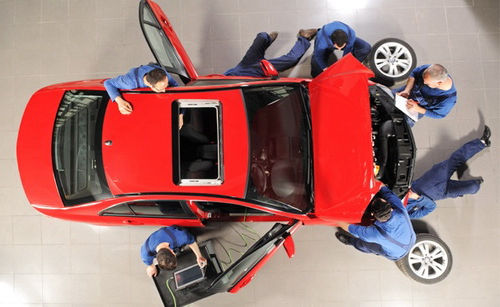
Maintain your vehicle's technical condition. The tempting desire to save money on timely and comprehensive vehicle maintenance can lead to improper operation of components and assemblies, which, in turn, can lead to increased fuel consumption.
#2: Check your tire pressure
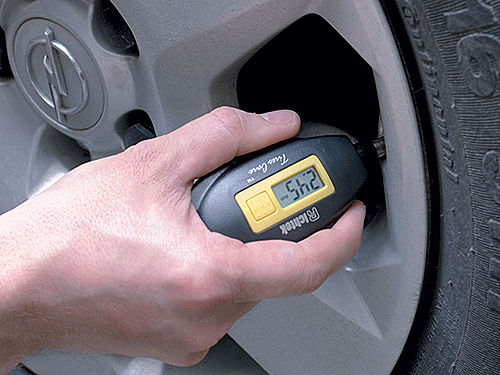
Regularly check your tire pressure to ensure it complies with the manufacturer's recommended values. Insufficient or excessive tire pressure can negatively impact not only driving safety but also fuel efficiency.
No. 3: Aerodynamics
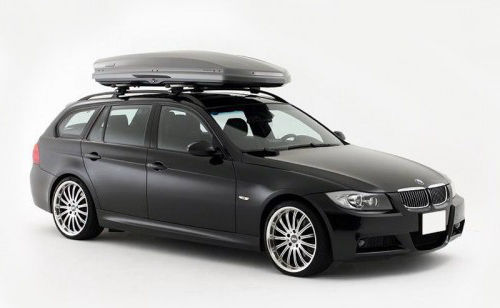
It's no secret that a car's drag coefficient directly impacts its fuel efficiency. Additional car accessories, such as roof racks or cargo boxes, can significantly increase this figure and, consequently, fuel consumption. Use additional equipment as needed and try to remove it promptly. A lowered side window also significantly reduces a car's aerodynamic performance.
#4: Remove excess weight
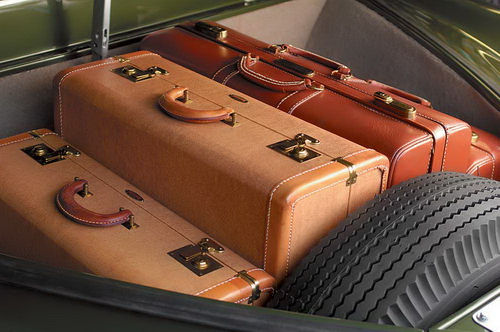
Another key parameter affecting a vehicle's fuel efficiency is its curb weight. Periodically inspect the contents of the vehicle's luggage compartment to identify items that are not necessary for your upcoming trip.
Rule #5: Turn off the engine
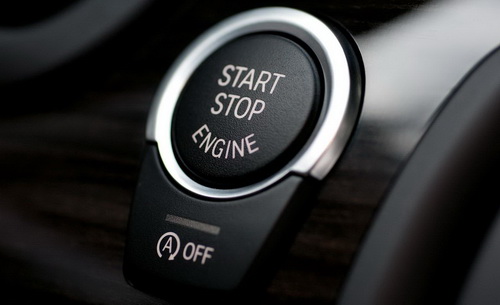
Don't forget to turn off the engine in traffic jams and when queuing at railway crossings.
#6: Smooth acceleration
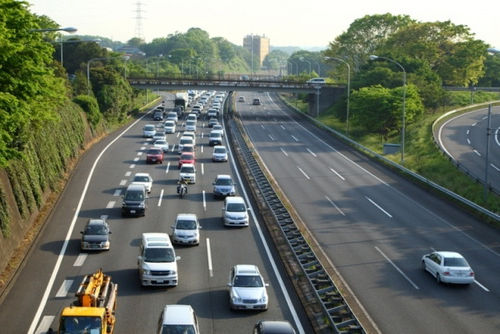
Try to smoothly control the acceleration and deceleration of the car, calculating the intensity of the traffic flow in advance.
#7: High Speed
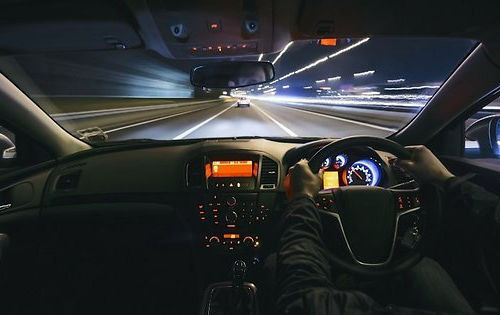
Avoid driving at high speeds - in most cases car fuel consumption, moving at a speed of 110 km/h and 130 km/h, differs quite significantly.
#8: Avoid high revs
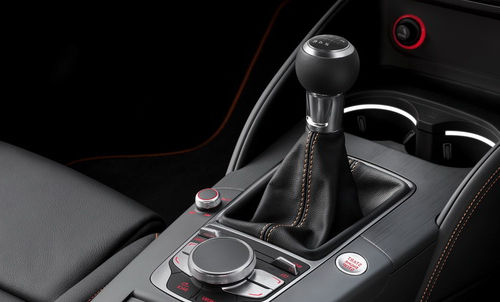
Shift into higher gears in a timely manner, preventing the engine from running at high speeds for long periods.
#9: Rational use
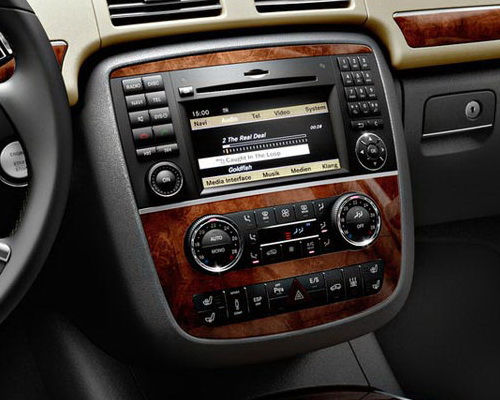
Use your car's optional equipment wisely. This primarily applies to the air conditioner and various heating systems. At low speeds, it's recommended to cool the car's interior by lowering the side window, and at high speeds, it's advisable to use the air conditioner with the windows up.
#10: Don't skimp unnecessarily
Don't coast your car to save fuel—it's unsafe and doesn't produce any noticeable effect. Don't warm up modern cars—it only wastes fuel; warming up the engine while driving is faster.