

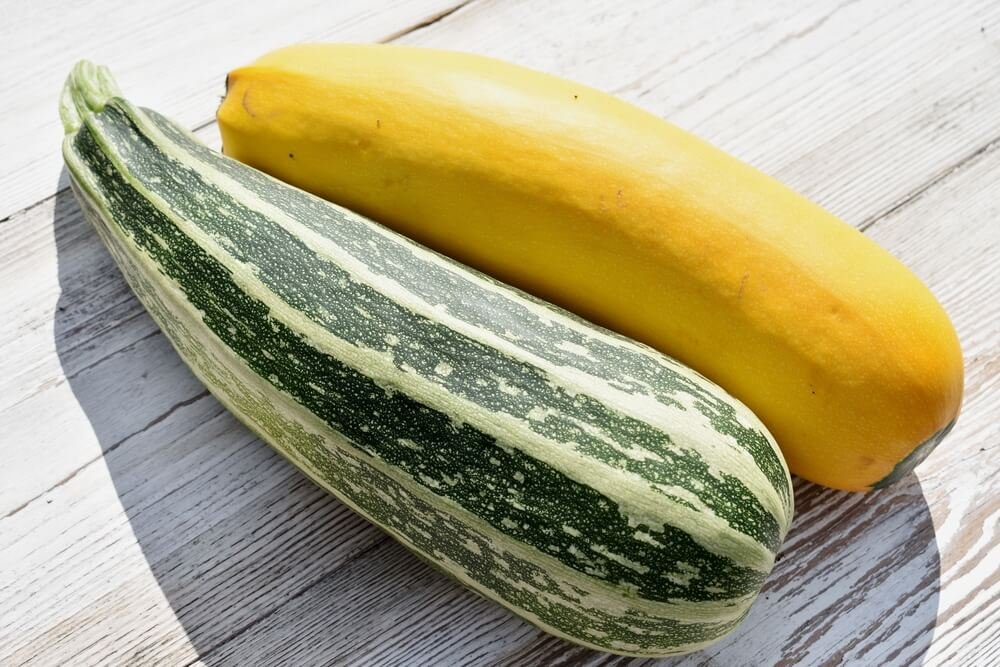
Yellow zucchini differs from green zucchini primarily in the color of the skin, which is the result of natural genetic variation – they are the same type of vegetable, with very similar composition and uses. Yellow varieties are sometimes described as slightly softer and sweeter, and they retain their rich color better when cooked. Both varieties can be used interchangeably in the kitchen.
To sum it up
- Yellow and green zucchini are to one species - winter pumpkin ( Cucurbita pepo ), they differ in variety.
- Yellow skin contains less chlorophyll , and its color is due to carotenoids.
- Yellow zucchini usually have softer taste and look better after processing; green zucchini is more versatile and more readily available.
- Nutritional value of both products very similar , and recipes can be replaced in a 1:1 ratio.
Yellow and green zucchini – why such a difference in color?
Zucchini is a variety winter squash ( Cucurbita pepo ) — the same species as zucchini and pattypan squash. The most common color is green (from light green to almost black, sometimes with stripes), but breeders have also developed varieties with yellow or yellow-orange peel.
The color depends on the pigments in the peel. In green varieties, it is predominantly chlorophyll , while yellow zucchini have less of it, so the carotenoids become visible. This is a natural genetic variation, not a result of ripening—a yellow zucchini is not an "overripe" green zucchini, and a green zucchini does not turn yellow over time, like, for example, bell peppers.
Differences in taste, consistency and appearance.
The flesh of both types of zucchini is light, tender and juicy. Yellow varieties are sometimes described as a little sweeter and softer , while green ones are described as more "vegetable," with a slight herbaceous flavor. However, the differences are subtle and depend largely on the specific variety and level of freshness.
The difference is more noticeable on the plate. Yellow zucchini retain their bright color longer After baking, grilling, or stewing, yellow zucchini darkens and becomes dull. Therefore, yellow zucchini is often chosen for dishes where appearance is important: salads, pies, carpaccio, or colorful kebabs. The best effect is achieved by combining both colors.
Yellow zucchini and yellow squash - don't confuse them.
In stores and gardens, you can find yellow vegetables similar to zucchini, which are other varieties of winter squash. Yellow summer pumpkins ( For example, crooked-neck pumpkin ) usually have a bulbous lower part, tapering towards the neck, sometimes curving like a swan's neck. Yellow zucchini, on the contrary, they retain the typical straight cylindrical shape of zucchini.
This difference has practical implications: the cylindrical yellow zucchini is easier to cut into even slices, cubes, or "noodles" using a spiralizer. However, the two vegetables are very similar in flavor and use, so they can be interchanged in most recipes.
Nutritional Value – Is Yellow Zucchini Healthier?
Both types of zucchini low in calories and very watery . They contain potassium, vitamin C, fiber, and carotenoids, among other things, which are mostly hidden in the skin, so it's best not to peel them.
Due to the different pigment composition, yellow and green zucchini may have slightly different carotenoid profiles , but in terms of calories, protein, and vitamins, the differences are minor. There's no reason to consider one significantly healthier than the other—choose the one you like best.
Comparison table of yellow and green zucchini.
| Characteristic | Yellow zucchini | Green zucchini |
|---|---|---|
| Variety | Pumpkin ( Cucurbita pepo ) | Pumpkin ( Cucurbita pepo ) |
| Skin color | Yellow, golden, yellow-orange | From light green to dark green, sometimes with stripes. |
| The main pigments of the skin | Carotenoids, less chlorophyll | Chlorophyll |
| Taste | Soft, sometimes slightly sweet. | Soft, slightly herbal taste |
| Color after processing | It remains bright and expressive. | It's getting dark |
| Availability | Less common in stores, popular in gardens. | Universal |
| Examples of varieties | «"Athena Polka F1", "Goldena"» | There are many varieties of seeds available. |
Which zucchini variety should you choose and how should you cook it?
- For salads and carpaccio - yellow, because it looks good when sliced and has a delicate flavor.
- For pancakes, lecho, cream soups and fillings - any; green is usually more accessible and cheaper.
- For grilling and baking It is best to use a mixture of both colors.
- When buying zucchini Choose young, firm zucchinis with smooth, shiny skin and no soft spots. Larger zucchinis contain more seeds and juicier flesh.
- Important: If zucchini (yellow or green) has a noticeably bitter taste, do not eat it. Bitterness may indicate elevated levels of cucurbitacins, which can cause poisoning.
Zucchini is best stored in the refrigerator, in the crisper drawer, and used within a few days—over time, it loses its firmness and becomes soft. Wash it immediately before cooking, not before storing. Grated or sliced zucchini, lightly blanched, is better for freezing than raw slices, which become watery after defrosting.
Both varieties have similar growing requirements: they prefer a sunny, warm location and fertile soil, and they harvest regularly while the fruit is young, allowing the plant to produce fruit for longer. Detailed sowing times and plant spacing are provided by the seed manufacturer on the packaging.
Frequently Asked Questions (FAQ)
Is yellow zucchini a different vegetable than green zucchini?
No. It's the same species - winter squash ( Cucurbita pepo ). They differ in variety, and therefore in skin color and a little in taste.
Do yellow zucchini need to be peeled?
No. Young zucchini, both yellow and green, have a thin, edible skin containing many valuable nutrients. Typically, only large, older specimens with tough skin are peeled.
Can you eat yellow zucchini raw?
Yes. Young yellow zucchini can be cut into thin slices or ribbons for salads and carpaccio. As with green zucchini, if they are bitter, avoid eating them.
Is yellow zucchini the same as squash or pattypan squash?
No, although they all belong to the genus Cucurbitaceae. The Moor squash typically has light skin and larger fruits, while the Patissan squash has a flattened, plate-like shape. The yellow squash has the elongated shape typical of squashes.
Can I substitute yellow zucchini for green zucchini in this recipe?
Yes, in a 1:1 ratio. The processing time and cooking method are the same; the main difference will be in the color of the dish.
See also
- What is the difference between zucchini and squash?
- What is the difference between broth and decoction?
- What is the difference between fruits and vegetables?
- What is the difference between jam and plum preserves?