

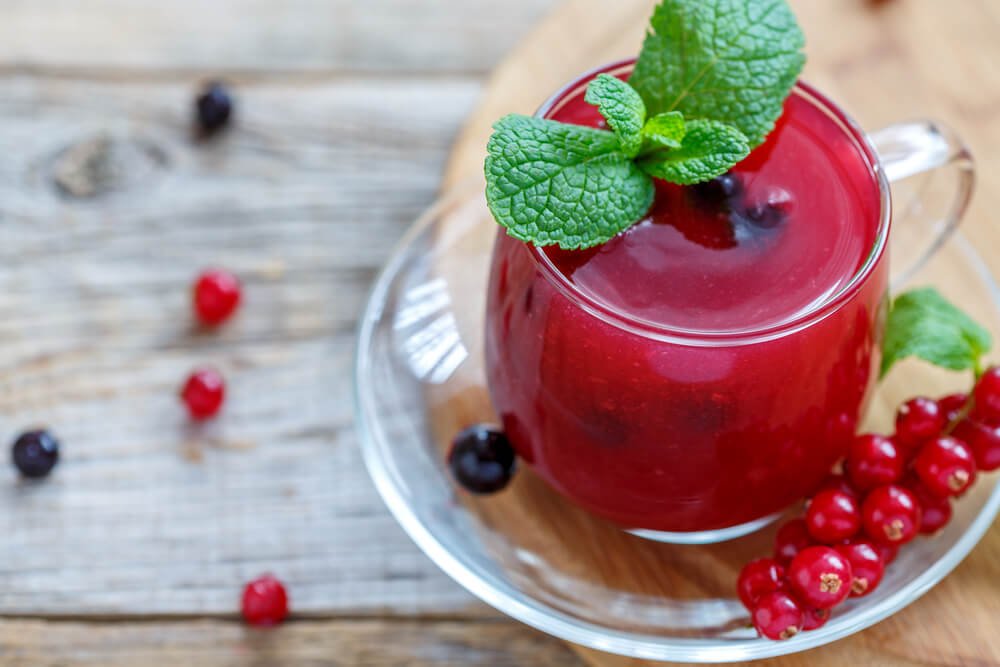
Pudding is prepared with milk, while kissel is prepared with juice, compote, or water with fruit—and this is the key difference between them. Both desserts are thickened with starch, but pudding is creamy, opaque, and has a milky flavor, while kissel is fruity, slightly glassy, and more gelatinous. The difference in base also results in different nutritional values, culinary applications, and flavor.
To sum it up
- Pudding = milk + starch (often with egg yolk, sugar and vanilla); jelly = fruit juice or compote + starch.
- The pudding is thick, creamy and opaque, the jelly is translucent and has a gelatinous consistency.
- Traditionally, jelly is thickened with potato flour; corn starch is often used in powdered puddings.
- The calorie content of both types of jelly depends mainly on the amount of sugar and the type of milk - jelly made with water is usually lighter.
What is pudding?
Pudding — is a dessert made from milk thickened with starch. The classic version is prepared with sugar, vanilla, and often egg yolk, which gives it a yellowish color and a more velvety consistency. The mixture is simmered for a few minutes until thickened, then served warm or chilled.
Pudding is also the base for many pastry creams—it's used to fill cakes like karpatka, cream cakes, and custard tarts. Popular flavors include vanilla, cream, chocolate, and caramel.
Ready-made pudding powders are usually a mixture of starch, flavoring, and coloring—you add the milk and sugar yourself. Homemade pudding can be made without a packet: just milk, starch, sugar, egg yolk, and vanilla.
What is jelly?
Kissel — is a dessert made from juice, compote, or fruit puree thickened with starch, most often potato. It is popular in Polish and Eastern European cuisines. When cooked, it has a slightly glassy consistency and a fruity, often tart, flavor.
The consistency of the jelly is adjusted by the amount of starch: less starch produces a thinner jelly, suitable for drinking or pouring over desserts; more starch produces a thicker jelly, suitable for spooning. It is most often prepared with cherries, strawberries, raspberries, currants, or cranberries.
What is the difference between pudding and jelly - comparison.
The differences begin with the liquid base and end with the method of application. Pudding, thanks to milk and egg yolk, is rich and creamy. Kissel, on the other hand, is lighter and more refreshing, with a fruity flavor.
| Characteristic | Pudding | Kissel |
|---|---|---|
| Base | Milk (or plant-based drink) | Juice, compote, fruit puree, water |
| Thickener | Starch (often corn, but also potato) | Potato starch is most commonly used. |
| Additional materials | Sugar, vanilla, egg yolk, cocoa | Sugar, fruits |
| Appearance | Opaque, creamy | Translucent, glassy |
| Subsequence | Thick, smooth | Gelatinous, liquid to thick |
| Taste | Milky, sweet | Fruity, often sour |
| Application | Dessert, cake cream | Dessert, topping, addition to pudding or ice cream. |
Linguistic curiosity: in Polish, pudding was sometimes called «"kisiel mleczny" (milk pudding) . This shows that these two desserts have long been considered close relatives, differing mainly in the method of preparation.
Pudding and custard – what’s the difference?
The Polish word "budyń" comes from the English word "« pudding »" However, in English, the term is much broader: it refers to desserts in general, as well as baked or steamed dishes, including savory ones (such as Yorkshire pudding or black pudding). The classic English dessert pudding is more like a pie or casserole than our typical pot pudding.
In Poland, the word "pudding" is found primarily in the names of desserts inspired by Anglo-Saxon cuisine (e.g., bread pudding, rice pudding, chia seed pudding). Pudding, on the other hand, is a special milk dessert thickened with starch. In short: Every pudding is a kind of pudding, but not every pudding is a pudding .
Do jelly and pudding make you fat?
They don't contribute to weight gain by themselves, but their calorie content depends on their ingredients. Pudding's energy comes from milk, sugar, and possibly egg yolk, while jelly's energy comes primarily from sugar, fruit juice, and starch. Starch is a carbohydrate, so both desserts derive their energy primarily from sugars.
If you want to reduce your calorie intake:
- To make the pudding, use low-fat milk and reduce the amount of sugar.
- Make jelly from juice or fruit without added sugar or sweeten it moderately.
- Check the labels of ready-made formulas – sugar content in powdered products can vary.
- Watch your portion sizes and additions (whipped cream, sauces).
Milk pudding also contains protein and calcium from milk, which is not found in jelly. People on special diets (such as diabetics) should consult a doctor or dietitian before choosing desserts.
Pudding or jelly – which to choose?
- For a hearty dessert or for a second breakfast, pudding is better - milk makes it more nutritious.
- On a hot day or for a light dessert Choose jelly - it's fruity and refreshing, especially when chilled.
- The pudding is perfect for cakes and creams, because it holds its shape well when mixed with butter.
- In case of lactose intolerance, jelly, Naturally dairy-free; the pudding can be made using a plant-based drink.
- Gluten free – Potato and corn starch are naturally gluten-free, but you should check the label on the package for ready-made mixtures.
Both desserts also pair beautifully: vanilla pudding with cherry jelly is a classic combination of creamy and fruity flavors.
Frequently Asked Questions (FAQ)
Is it possible to make jelly from milk?
A dessert made from milk thickened with starch, it's practically a pudding; in fact, it was once called milk jelly. Classic jelly is made from juice, compote, or water with fruit.
How to thicken jelly and pudding?
Kissel is most often thickened with potato flour, which gives it a glassy, gelatinous consistency. Pudding is made with corn or potato starch, and egg yolk is often added.
Which is healthier: pudding or jelly?
There's no single answer. Milk pudding contains protein and calcium, while jelly is usually lighter, especially homemade fruit jelly. In both cases, the nutritional value is determined primarily by the amount of added sugar.
Are pudding and custard the same thing?
Not quite. Pudding is a Polish milk dessert thickened with starch, while the English word "pudding" encompasses a wide range of dishes, including baked goods and savory dishes. The word "budyń" comes from the word "pudding.".
Why did the jelly turn out runny?
This is most often due to a lack of starch or insufficient boiling time. Starch is dissolved in cold liquid, added to the boiling juice, and stirred until it thickens and forms a glassy consistency.
See also
- What is the difference between apple pie and apple cake?
- What is the difference between jam and plum preserves?
- What is the difference between a cake and a pie?
- What is the difference between a pancake and a crepe?