


Androgen receptors (AR) — are nuclear receptors that are activated when they bind to androgens such as testosterone and dihydrotestosterone (DHT).
Description: Discover the nature of androgen receptors, their role in the body, their effects on muscle, bone, and health, and their mechanisms of action.
They are present in various tissues, including muscle, bone, prostate, and skin. After binding to androgen, the receptor moves from the cytoplasm to the cell nucleus, where it acts as a transcription factor, binding to DNA and regulating the expression of genes responsible for the development of male sexual characteristics, muscle growth, and bone density.
This process, known as genomic action, underlies most of the effects of androgens.
Quick Facts
Let us outline several key points that will be made in the course of this article:
- Androgen receptorsAndrogen-activated nuclear receptors regulate gene expression, influencing muscle, bone, and sexual characteristics.
- SARMs: They selectively activate receptors in muscles and bones, but their partial activation makes them less effective than steroids.
- Prohormones: Convert into steroids, potently activating receptors, but with a higher risk of side effects.
- ComparisonSARMs are less powerful due to selectivity, while prohormones are closer to steroids in strength, but more dangerous.
The nature of androgen receptors
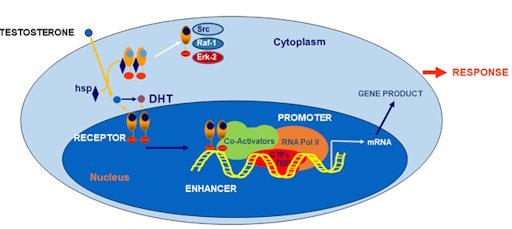
Androgen receptors - This intracellular proteins, which belong to the steroid nuclear receptor family. They play a key role in the perception of androgens—testosterone and dihydrotestosterone.
In their inactive state, receptors are found in the cytoplasm in a complex with chaperone proteins. After binding to the hormone, the receptor changes shape and moves to the cell nucleus, where it interacts with specific regions of DNA and triggers the synthesis of proteins involved in tissue growth and development, particularly reproductive and muscular tissue.
From a medical perspective, androgen receptors are critical in the treatment of hormone-dependent diseases. For example, hormone replacement therapy (HRT), aimed at activating AR, is used to treat testosterone deficiency. Conversely, receptor-blocking drugs are used for prostate cancer to stop malignant cell division. Mutations in the receptor gene can lead to androgen insensitivity syndrome and tumor resistance to therapy—therefore, studying AR remains an important part of modern medicine.
Androgen receptors are not cells, as some believe, but, as noted above, intracellular proteins from the steroid nuclear receptor family that function as ligand-dependent transcription factors. Upon binding to androgens (testosterone or dihydrotestosterone), they change conformation, dimerize, and translocate to the nucleus to regulate the expression of specific genes. Their molecular structure includes several domains—an N-terminal regulatory domain, a zinc-finger DNA-binding domain, a flexible hinge domain, and a ligand-binding C-terminal domain—which ensures selectivity and fine modulation of the cell's genetic program.
Structure and functions
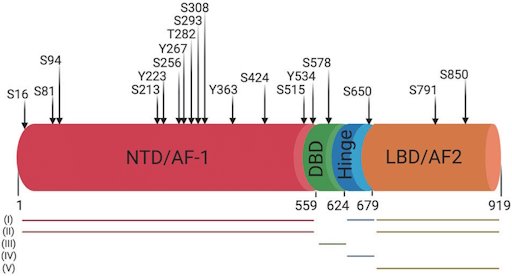
The structure of the androgen receptor includes several key domains:
- N-terminal domain (NTD) for transcriptional activation
- DNA-binding domain (DBD) for interaction with DNA
- Hinge area
- Ligand-binding domain (LBD), where androgen binding occurs. This is key to the action of anabolic steroids: it is here that natural androgens and their synthetic analogues directly bind to the receptor, causing conformational changes in the molecule and its activation. This shift forms the AF-2 activating surface in the LBD and enhances interaction with the N-terminal domain (NTD), which triggers the transcription of genes responsible for anabolic effects in tissues.
Androgen binding to the LBD causes a conformational change that allows the receptor to dimerize and interact with coactivator proteins, which enhance transcription. For example, in muscle cells, AR activation increases the synthesis of proteins such as myosin, which promotes muscle hypertrophy.
In addition to their genomic effects, androgen receptors have nongenomic functions, rapidly activating signaling pathways such as MAPK or PI3K/Akt without directly altering gene expression. These pathways influence ion transport, kinase activation, and calcium levels in cells, enhancing physiological responses.
For example, non-genomic effects may accelerate muscle recovery after exercise.
Understanding these mechanisms is important for assessing the action of SARMs and prohormones that modulate AR to achieve anabolic effects.
The special effect of SARMs on androgen receptors
SARMs (commonly known as “SARMs”), such as Rad-150, Yk-11, and S4, are designed to selectively bind to androgen receptors in specific tissues, primarily muscle and bone, while minimizing activation in the prostate or liver.
This selectivity is achieved thanks to their chemical structure, which allows them to interact with the receptor in a way that stimulates anabolic effects while avoiding unwanted androgenic side effects such as prostate enlargement or hair loss.
For example, Rad-150, known for its high bioavailability, effectively increases muscle mass, but with less impact on reproductive tissues.
SARMs act by binding to the androgen receptor, causing a conformational change that leads to the activation of target gene transcription. However, unlike anabolic steroids, which are full AR agonists, SARMs often act as partial agonists. This means they do not provide maximum receptor activation, which reduces their anabolic effectiveness.
For example, clinical trials of Ostarine (MK2866) showed a gain in lean muscle mass of 1–2 kg over 12 weeks, while steroids such as testosterone can produce 5–10 kg over the same period. Yk-11 stands out among SARMs because it not only binds to the AR but also stimulates myogenic differentiation, enhancing muscle growth. However, even Yk-11 is inferior to steroids in overall effectiveness due to its limited activation of receptors in other tissues.
Let us take a closer look at the effect of SARMs on androgen receptors using RAD-150 as an example.
Rad-150, also known as TLB-150 Benzoate, acts as a selective modulator of androgen receptors, selectively binding to them primarily in muscle and bone tissue thanks to its unique structure with an added benzoate ester. This ester increases the compound's bioavailability and stability, allowing Rad-150 to effectively activate the AR, causing conformational changes and stimulating the transcription of genes such as MYOD1, which promotes muscle growth and bone strength.
- The benzoate ester in Rad-150 slows the breakdown of the molecule in the body, allowing it to remain active longer and penetrate tissues better. This enhances binding to androgen receptors, altering their structure, which activates genes such as MYOD1. This results in increased muscle protein synthesis, promoting muscle growth and strengthening bones.
From a medical point of view, its selectivity reduces androgenic side effects, such as prostate enlargement, however long-term safety data are limited and potential hepatotoxicity warrants caution, particularly at the 5–10 mg/day dosages used in studies and user reports.
Generally speaking, the selectivity of SARMs is also related to their pharmacokinetics: they are often taken orally, have lower bioavailability and a shorter half-life compared to injectable steroids.
These factors make SARMs less potent, but potentially safer for certain purposes.
SARMs are not completely selective, and they can affect other tissues, causing side effects such as decreased HDL cholesterol levels. Their partial activation of receptors and limited effect on non-target tissues explain why they are weaker than steroids, which provide more intense and broad effects on the AR.
For example, S4, used for muscle gain, exhibits moderate anabolic effects, but is not comparable to testosterone in terms of muscle strength.
Effect of prohormones on androgen receptors
Prohormones are compounds that serve as precursors to active hormones, primarily anabolic steroids.
Once ingested, they undergo enzymatic conversion in the body, turning into steroids that bind to androgen receptors and activate them, causing anabolic effects such as muscle growth and increased strength. This indirect mechanism This distinguishes prohormones from SARMs, which interact directly with receptors, and makes their effects similar to those of steroids, but with variations depending on the specific compound.
Let's look at three examples of how exactly a particular prohormone interacts with androgen receptors:
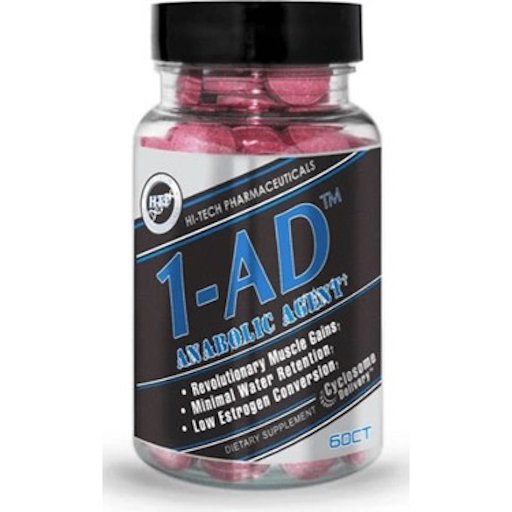
1-AD (1-androstenedione) is a prohormone that converts into 1-testosterone, a potent anabolic steroid with high affinity for androgen receptors. 1-Testosterone stimulates muscle protein synthesis, leading to significant muscle gains, often comparable to traditional steroids.
- 1-AD affects androgen receptors, converting in the body to 1-testosterone through enzymatic conversion involving 3-beta-hydroxysteroid dehydrogenase. This process occurs in the liver and other tissues, where 1-androstenedione is metabolized, activating androgen receptors (AR) as a full agonist. Binding of 1-testosterone to the ligand-binding domain (LBD) of the receptor causes a conformational change, leading to dimerization of the AR and its translocation to the nucleus, where it regulates the expression of genes such as MYOD1, stimulating muscle protein synthesis and promoting hypertrophy.
Users report gains of 3-5 kg in 4-6 weeks, but side effects such as increased blood pressure can be pronounced due to the strong effect on AR.
Trenavar (trendion) converts to trenbolone, one of the most potent anabolic steroids. Trenbolone has exceptionally high affinity for androgen receptors, resulting in significant muscle and strength gains and fat loss. Users can gain up to 5-7 kg of muscle mass in a 6-week cycle, but risks, including liver toxicity and testosterone suppression, make it a dangerous choice.
- Trenavar interacts with the androgen receptor via conversion to trenbolone, catalyzed by 17beta-hydroxysteroid dehydrogenase in the liver and peripheral tissues. This metabolite has an extremely high affinity for the AR, exceeding testosterone, and acts as a potent agonist by binding to the LBD and enhancing the transcription of anabolic-related genes, such as IGF-1. This process involves the activation of signaling pathways such as mTOR, which accelerates protein synthesis and muscle growth, but also increases the risk of liver toxicity due to its extensive metabolism.
4-DHEA (4-dehydroepiandrosterone) It is converted into testosterone, the primary male sex hormone. Testosterone binds to androgen receptors, stimulating muscle growth and strength gains, but its effects are less pronounced than those of trenbolone.
- 4-DHEA (4-dehydroepiandrosterone) acts on androgen receptors, converting into testosterone through the sequential action of enzymes, including 3beta-hydroxysteroid dehydrogenase and 17beta-hydroxysteroid dehydrogenase, primarily in the adrenal glands and gonads. The resulting testosterone binds to the AR, causing its activation and stimulating the expression of genes such as AR-target genes, which promotes muscle growth and increased bone density. However, some testosterone can aromatize into estrogen through the action of aromatase, which activates estrogen receptors, sometimes leading to side effects such as fluid retention.
4-DHEA can provide 2-4 kg of muscle mass gain per cycle, with side effects such as aromatization to estrogen, which requires additional measures such as aromatase inhibitors.
Unlike SARMs, prohormones work through conversion to steroids, making their effects more powerful but less controllable.
Their effects on androgen receptors depend on the end product of metabolism, which can be comparable in potency to anabolic steroids, but are associated with increased health risks.
Interactions of AS with androgen receptors
Now, finally, let's look at the mechanics and medical aspects of the interaction of anabolic steroids with androgen receptors.
Anabolic steroids (AS) interact with androgen receptors as full agonists, mimicking the effects of natural androgens such as testosterone and dihydrotestosterone. After oral or injectable administration, steroids such as nandrolone or stanozolol cross cell membranes and bind to the ligand-binding domain (LBD) of the receptor, causing a conformational change. This process activates the receptor, which dimerizes and translocates to the nucleus, where it interacts with specific regions of DNA, regulating the expression of genes such as MYH7, which are responsible for muscle protein synthesis and anabolic effects.
From a medical perspective, the activation of androgen receptors by steroids has a dual significance. At therapeutic doses, for example in hypogonadism, steroids such as testosterone enanthate restore muscle mass and bone density, improving patients' quality of life. However, when abused, especially in athletic settings, they cause side effects: suppression of natural testosterone production via the pituitary-gonadal axis, hepatotoxicity (for example, with methyltestosterone), and prostate enlargement due to excessive AR stimulation in non-muscle tissues. These effects require medical monitoring, including analysis of liver enzymes and hormone levels.
The mechanism of action of steroids includes not only genomic but also non-genomic effects:
- Non-genomic pathways, such as the activation of MAPK or PI3K/Akt signaling cascades, occur rapidly and are independent of transcription, enhancing the transport of glucose and amino acids into muscle. This accelerates tissue repair and growth, making steroids popular among athletes. However, long-term use can lead to serious complications, including cardiomyopathy and dyslipidemia, highlighting the need for strict monitoring and restrictions in medical practice.
Let us consider two examples of the mechanics of interaction of AS with androgen receptors:
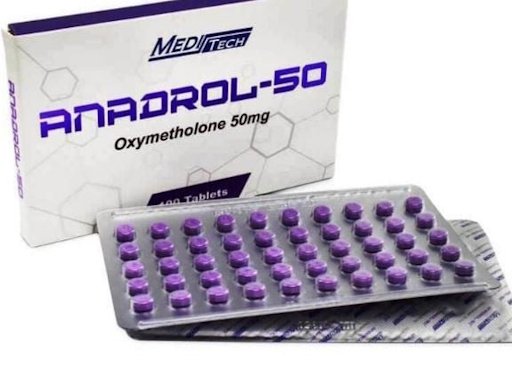
Oxymetholone, known as a highly anabolic steroid, interacts with androgen receptors by binding to their ligand-binding domain (LBD), causing a strong conformational change. This process activates the receptor, which dimerizes and translocates to the nucleus, stimulating the expression of genes such as IGF-1, significantly accelerating muscle protein synthesis and promoting rapid mass gain. It is primarily used to treat anemia associated with erythropoietin deficiency, but its effect on the AR makes it popular in bodybuilding.
- Oxymetholone exhibits significant hepatotoxicity due to 17-alpha-alkylation, which allows it to pass through the liver without being destroyed but increases the risk of hepatocyte damage. Patients taking it often experience elevated liver transaminase levels, necessitating regular monitoring. Its use is associated with a risk of side effects such as fluid retention and hyperkalemia, necessitating caution and dosage limitations to 50–100 mg per day.
Boldenone, or Boldenone undecylenate, acts on the androgen receptor by binding to the LBD and activating the transcription of anabolic-related genes, such as MYOD1, which promotes muscle growth and appetite. Its long half-life (approximately 14 days) ensures a gradual release, making it popular among athletes for strength and endurance gains. This steroid was originally developed for veterinary use, but its action on the AR has led to widespread use in sports.
- Boldenone is less toxic to the liver than Oxymetholone because it lacks 17-alpha alkylation, reducing the risk of hepatopathies. However, its use can cause androgenic side effects, such as acne and increased hair growth, due to its conversion to estradiol via aromatase. Dosages are typically 200–400 mg per week, but exceeding these doses can lead to suppression of endogenous testosterone, requiring post-cycle therapy to restore hormonal balance.
Medical appointments AS
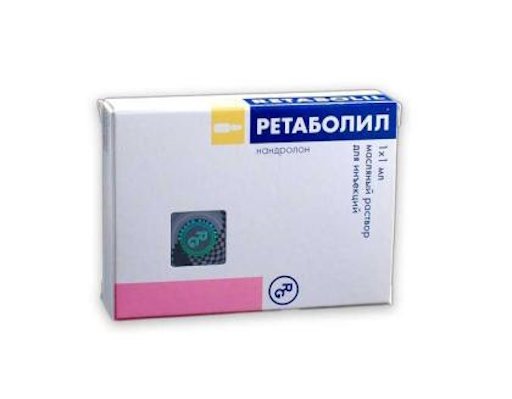
The pharmaceutical use of steroids such as testosterone enanthate or nandrolone decanate is focused on the treatment of hormonal disorders associated with insufficient activity of androgen receptors.
They are prescribed to patients with hypogonadism, when natural testosterone production is reduced due to problems with the testicles or pituitary gland, as well as for anemia caused by erythropoietin deficiency, as is the case with oxymetholone. Treatment is usually administered by endocrinologists, who determine the dosage (for example, 100–200 mg of testosterone enanthate every 1–2 weeks) based on hormone levels and the patient's condition.
Steroid use to target androgen receptors is also beneficial for people with osteoporosis, particularly in men over 60, when decreased androgens weaken bones, or for recovery from major surgeries and injuries, where stimulation of muscle growth is required.
Urologists and orthopedists may include such medications in therapy, strictly monitoring the dosage and duration of treatment to avoid side effects such as hepatotoxicity or endogenous testosterone suppression. Treatment is carried out under medical supervision with regular check-ups, usually in an inpatient or outpatient setting.
Conclusion
Androgen receptors are key elements in the regulation of anabolic processes, and their activation underlies the action of SARMs, prohormones, and steroids.
SARMs such as Rad-150, Yk-11, and S4 provide selective action, making them less potent but potentially safer than steroids.
Prohormones such as 1-AD, Trenavar and 4-DHEA act through conversion into active steroids, providing strong anabolic effects but with a high risk of side effects.
Understanding these mechanisms helps make informed choices about the use of such compounds.