Rome is a city unlike any other, with a complex history. Behind the walls of Rome's many majestic palaces and elegant villas lie some of the city's best-kept secrets. These sites tell the city's story from ancient times to the 18th century, revealing a wealth of historical facts. Here are the most impressive villas and palaces in Rome 👇
We begin our list of the most impressive villas and palaces in Rome with this magnificent structure. One of the most impressive palaces in Rome, Palazzo Barberini is located in the Esquilino, one of Rome's oldest neighborhoods. In 1625, Maffeo Barberini, also known as Pope Urban VIII, purchased the building for his family. The original structure was remodeled by some of the most renowned architects of the 17th century: Carlo Maderno, Gian Lorenzo Bernini, and Francesco Borromini. Since 1949, this palace, along with Palazzo Corsini, has housed the National Gallery of Ancient Art and is open to the public.
In addition to being an outstanding example of Baroque architecture, the building houses over 5,000 works of art, including works by renowned artists such as Raphael, Caravaggio, and Tintoretto.
From Rise to Fall: What You Need to Know About the History of the Roman Republic
2. Palazzo Massimo alle Terme
Located near the city's train station, Palazzo Massimo is a wonderful place to explore Ancient Rome. The building is one of four houses of the National Roman Museum, founded in 1889. Designed by Camillo Pistrucci and built between 1883 and 1887, the palace was originally used as a Jesuit school. Today, the museum's four floors display world-renowned sculptures, frescoes, and mosaics.
The collection includes various archaeological finds, restored to reflect the importance of the Roman Empire. Among the museum's most prized exhibits are sculptures such as «Resting Boxer,» «Discobolus,» and «Sleeping Hermaphrodite.» The ancient mummy of the Girl of Grottarossa is also a must-see.
From exotic spices to wild animals: 5 things considered extremely valuable in Ancient Rome
3. Villa Giulia
Villa Giulia, built in the 16th century, is one of Rome's most valuable historical monuments. Formerly the country residence of Pope Julius III, it is today a masterpiece of Renaissance architecture. This beautiful building features green, tranquil gardens, fountains, and 4th-century ruins, such as the Alatri Temple. The villa's architects include Giacomo Barozzi da Vignola, Bartolomeo Ammannati, Giorgio Vasari, and Michelangelo Buonarroti.
However, the main reason for annual visits to the villa is the extensive collection of the National Etruscan Museum. This museum, which houses one of the world's finest collections of Etruscan art and artifacts, offers a unique opportunity to immerse yourself in the daily life, culture, and history of ancient Etruria. The works on display include sculptures, ceramics, jewelry, and funerary objects. The most impressive pieces in the collection include the Sarcophagus of the Spouses, the statue of Apollo Veii, and the Pyrgian Tablets.
From Emperors to Gladiators: 9 Misconceptions About Ancient Rome
4. Palazzo Altemps
Palazzo Altemps is another home of the National Roman Museum. Cardinal Altemps, nephew of Pope Pius IV, acquired the palace in 1568. The property remained in his family until the 19th century. The elegant palace underwent 15 years of restoration before becoming a museum in 1997. The collection includes works amassed by the cardinal and other noble families of the period, such as the Ludovisi, Mattei, and Del Drago. Within the palace walls, visitors can see valuable Greek and Roman sculptures, rare books, and beautiful frescoes. Palazzo Altemps houses ancient treasures, such as the Ludovisi Throne (459 BC).
Rome Travel Guide: Where to Stay, Where to Go, What to Eat?
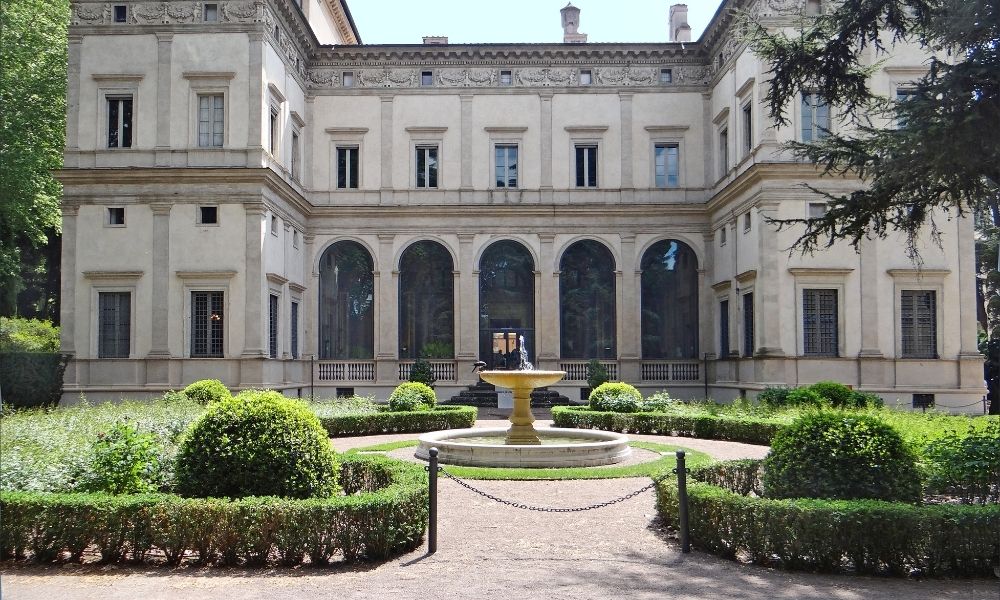
5. Villa Farnesina
A visit to the Villa Farnesina is a wonderful way to immerse yourself in the atmosphere of Renaissance Rome! Strolling through the palace's rooms, visitors can gain insight into the lives of the city's wealthiest and most famous people of that period. Designed by Baldassare Peruzzi in the early 16th century, the villa served as the residence and venue for events for the banker Agostino Chigi. The building and its interior are the work of Raphael and several other talented artists, including Peruzzi, Sebastiano del Piombo, and Sodoma.
Today, the villa serves as a public art gallery and is the headquarters of the Lincéance Academy. Visitors to the Villa Farnesina can admire its incredible frescoes, which are centuries old. Another must-see room is the Sala del Perspectiva, designed by the villa's architect, Peruzzi.
6. Palazzo Colonna
The 14th-century Palazzo Colonna is one of the most impressive private palaces in Rome. The palace still belongs to the noble Colonna family and also houses the Galleria Colonna, which houses a vast collection of paintings and sculptures from the 14th to 18th centuries. The building is a magnificent structure, adorned with marble and gold, blending several architectural styles, including Renaissance and Baroque.
The rooms display valuable antique furniture, Venetian glass chandeliers, and magnificent frescoes. The works in the gallery are by world-renowned artists such as Tintoretto, Veronese, Salviati, Rosa, and Bernini. One of the most fascinating parts of the palace is Princess Isabella's chambers, which are still on display in their original condition.
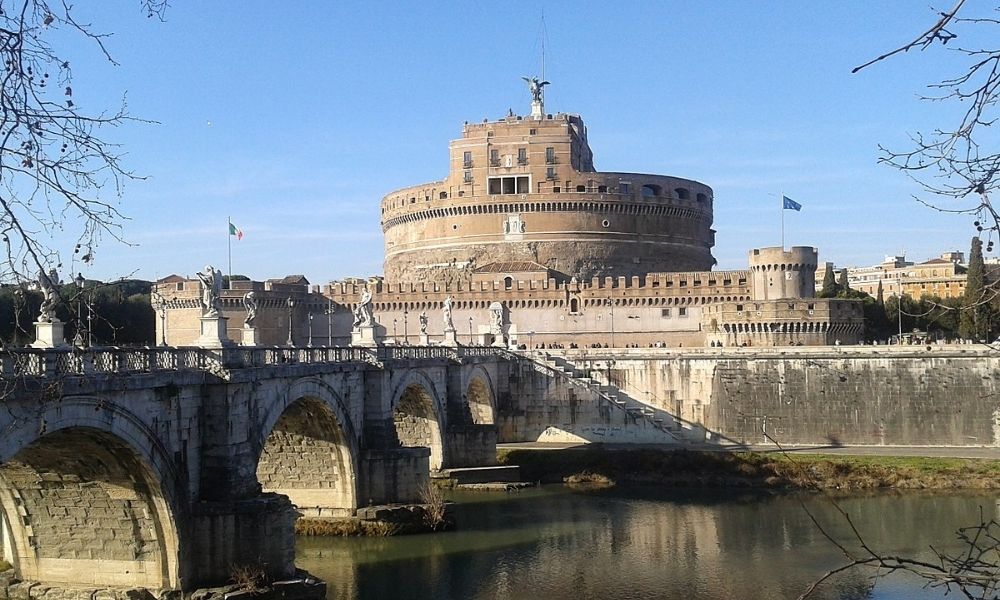
7. Castel Sant'Angelo
Last on the list of Rome's most impressive villas and palaces, but certainly the most important, is Castel Sant'Angelo, or Castle of the Holy Angel. It's not a true palace, but its historical and cultural value is impeccable. This structure, an important symbol of Rome, was originally the tomb of the Roman emperor Hadrian, a member of the Aelian clan. It later served as a military fortress and a refuge for many popes during turbulent periods in Roman history. Built in 1277, the 800-meter-long Passetto di Borgo corridor connected the castle to the Vatican. It currently houses a national museum, papal apartments, and a complex of historic underground prisons.
Visitors to the museum can see an extensive collection of paintings, sculptures, furniture, weapons, and memorabilia from the Italian army. After the tour, visitors can ascend to the terrace, where a large café offers magnificent views. From the terrace, you can admire iconic landmarks such as the Ponte Sant'Angelo bridge and the statue of Archangel Michael atop the castle.
9 Must-Do Things in Dublin for Travelers As the capital and largest city of Ireland, Dublin offers visitors a rich cultural heritage, historical beauty, and unique experiences. Divided in two by the River Liffey, this charming city offers...
10 Magnificent Turkish Palaces You Must Visit in Turkey There are buildings in Turkey that seem frozen in time, preserving echoes of bygone eras. No matter how many years pass, they retain their unique atmosphere and charm. Palaces,...
10 Islands in Canada You Must Visit Canada offers a wide variety of tourist attractions and landmarks. These islands offer a great getaway, a cool atmosphere for relaxation, and the perfect way to enjoy your vacation. There are many activities to...
10 Turkish Cities That Are a Must-Visit for History Buffs Sometimes, to feel the breath of history, you don't need to cross oceans. Just look around—and a land unfolds before you, where layers of time lie one upon another, like the pages of a...
A City Waiting to Be Discovered: Places to Visit in Burdur Burdur is an incredible city distinguished by its historical richness, natural beauty, and cultural diversity. Burdur boasts a wealth of unique features: from unique natural lakes to historic ruins, from exquisite cuisine to hospitality,...
8 places the ancient Romans definitely wanted to visit. Have you ever dreamed of visiting the Great Pyramid of Giza, partying in Italy, or vacationing on a Greek island? If so, you might have something in common with the ancient Romans. Tourism was, like...
15 Amazing Facts About Dinosaurs You Need to Know When I was little, I loved nothing more than dinosaurs. I had a huge encyclopedia filled with information about these giants. For one of my birthdays, I was given a set...
5 Facts About Dogs and Food You Need to Know How many of you dog owners regularly endure the torment of a pair of teary eyes begging for a piece of food so beautifully displayed on your plate? I know. It's because...
Declaration of building mixtures: why and who needs it Dry building mixes are materials required for a range of projects, including laying stone, pouring floors, decorating walls and ceilings, and finishing interiors. Dry mixes include...
11 Ancient Cities History Lovers Must Visit in Antalya Antalya, a paradise of ancient cities, is one of the most important cities, captivating not only for its natural beauty but also for its historical value. Antalya, meaning "land of Attalos," is located...
12 Most Beautiful Bays and Beaches You Must Visit in Marmaris With the arrival of summer, all vacationers are eager to explore new destinations in hopes of unforgettable experiences. The sun's warm and sincere smile is especially inspiring for those looking to spend their vacation in our country, to see...
From Fatih Fountain to Çilingöz: 10 Nature Parks You Must Visit in Istanbul Istanbul, home to powerful empires in centuries past, is full of historical and cultural artifacts that are beyond all appreciation. Fountains, mansions, palaces, monuments, mosques, churches... Istanbul's structures continue to exist as...
Muğla's Paradise: The Most Beautiful Beaches and Coves You Must Visit in Fethiye Surrounded by the deep blue waters of the Aegean and Mediterranean Seas, Fethiye captivates with its natural beauty. A paradise for those seeking a magnificent vacation, Fethiye welcomes millions of tourists each year with its unique beaches and...
10 facts wine lovers need to know When a 90-year-old woman says wine is the secret to a long life, you believe her. This magical liquid can do everything from flavor your baked goods to sharpen your mind—it's all...