

Turkey boasts buildings that seem frozen in time, preserving echoes of bygone eras. No matter how many years pass, they retain their unique atmosphere and charm. Palaces scattered throughout the country continue to showcase Turkey's splendor and rich history to the world—they are more than just architectural monuments, but living witnesses to important events and changes of power. Every year, millions of tourists, both from Turkey and abroad, come to witness this grandeur with their own eyes.
These palaces captivate with their scale and sophistication. Just step inside and you're transported back in time, feeling like a fairytale character living in that era. Immersing yourself in the atmosphere of these places allows you to better understand the culture and traditions that have evolved over centuries. That's why exploring these palaces isn't just about viewing beautiful buildings; it's an opportunity to connect with the country's history.
So, let's embark on this fascinating historical journey together and discover the splendor of Turkey's palaces.
1. Dolmabahce
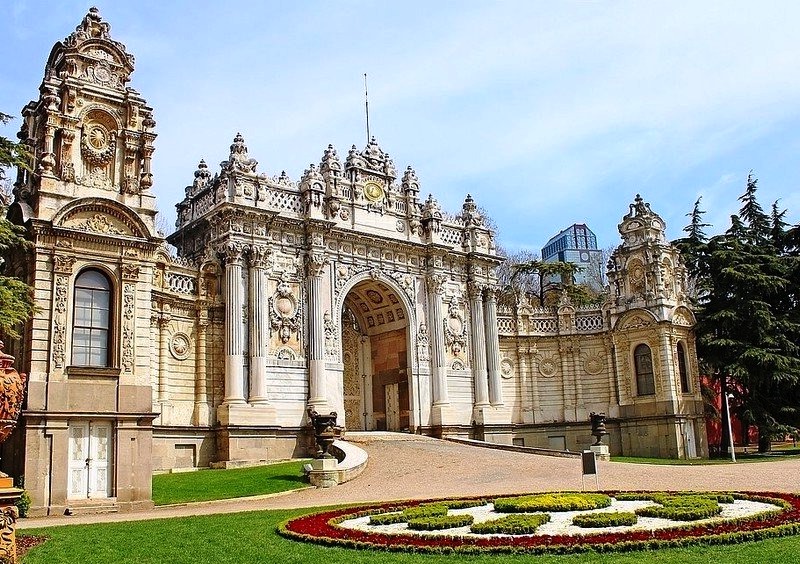
Let's begin our exploration of Turkey's most significant palaces with Dolmabahçe! This majestic palace, like a pearl, rises above the Bosphorus and is one of the symbols of Istanbul. Its construction was begun by Sultan Abdulmecid in the 19th century, and it represented a true architectural breakthrough – a departure from the traditional Ottoman style in favor of European Baroque and Neoclassicism. Imagine the effort and resources invested in creating this magnificent structure!
Dolmabahçe Palace served as the residence of several Ottoman sultans, and its walls hold the record of many historical events. But it gained particular significance after the proclamation of the Turkish Republic, becoming the residence of the president. Most significantly, it was here, in Dolmabahçe, that Mustafa Kemal Atatürk, the great leader and founder of modern Turkey, lived from 1927 to 1938. His life and work within these walls had a profound impact on the formation of the country, and the palace has become a unique monument to his legacy.
Today, Dolmabahçe Palace is a museum that allows visitors to experience the history of the Ottoman Empire and see how the sultans lived. It's impressively large: 6 baths, 46 halls, and a whopping 285 rooms! Almost all of the palace's rooms are accessible with a Museum Card—a great option if you're planning to visit several Istanbul museums. The only exception is the Selamlık section, but it's certainly worth a visit.
If you're planning to visit this impressive palace overlooking the Bosphorus, it's worth knowing its opening hours. It's open from 10:00 AM to 5:30 PM on weekdays and from 10:30 AM to 5:30 PM on weekends. Try to arrive early to avoid lines and fully appreciate the beauty and grandeur of Dolmabahçe Palace. It's truly a place worth seeing with your own eyes.
2. Adile Sultan

We continue our journey through Istanbul's iconic landmarks and move on to the Adile Sultan Palace, picturesquely located in the Üsküdar district. This palace is more than just an architectural monument; it bears witness to an important chapter in the history of the Ottoman Empire and, most importantly, to the protection of women's rights. Adile Sultan, born in 1826 in the heart of Topkapı Palace, was the daughter of Sultan Mehmed II, son of Mahmud. Her life is a story of how education can change the world, even in the midst of strict traditions.
Adile Sultan received a modern education for her time, a rarity for women in her circle, and this enabled her to make significant contributions to the advancement of female education and social justice. She became renowned as the first and perhaps most famous female poet in the dynasty, even having her own divan—a poetry salon where intellectuals gathered. This speaks volumes about her influence and the fact that her voice was heard.
But her contribution wasn't limited to poetry. Adile Sultan genuinely cared about the plight of orphaned girls and made enormous efforts to ensure their access to education. She understood that education is the key to independence and self-fulfillment, and she strove to give girls a chance at a decent future.
Before her death, Adile Sultan, in an unusual move for the time, bequeathed her palace to the National Educational Institution. This was a true act of generosity and faith in the future. In 1916, Turkey's first boarding school for girls opened here, marking a milestone in the development of the country's educational system. Imagine how progressive this was for its time! Sadly, the palace was damaged by fire, but it was restored and acquired its current appearance, preserving the memory of its founder and her noble goals. Today, this place is not only a historical monument but also a symbol of female strength and the pursuit of knowledge, reminding us of the importance of education for all.
3. Chiragan
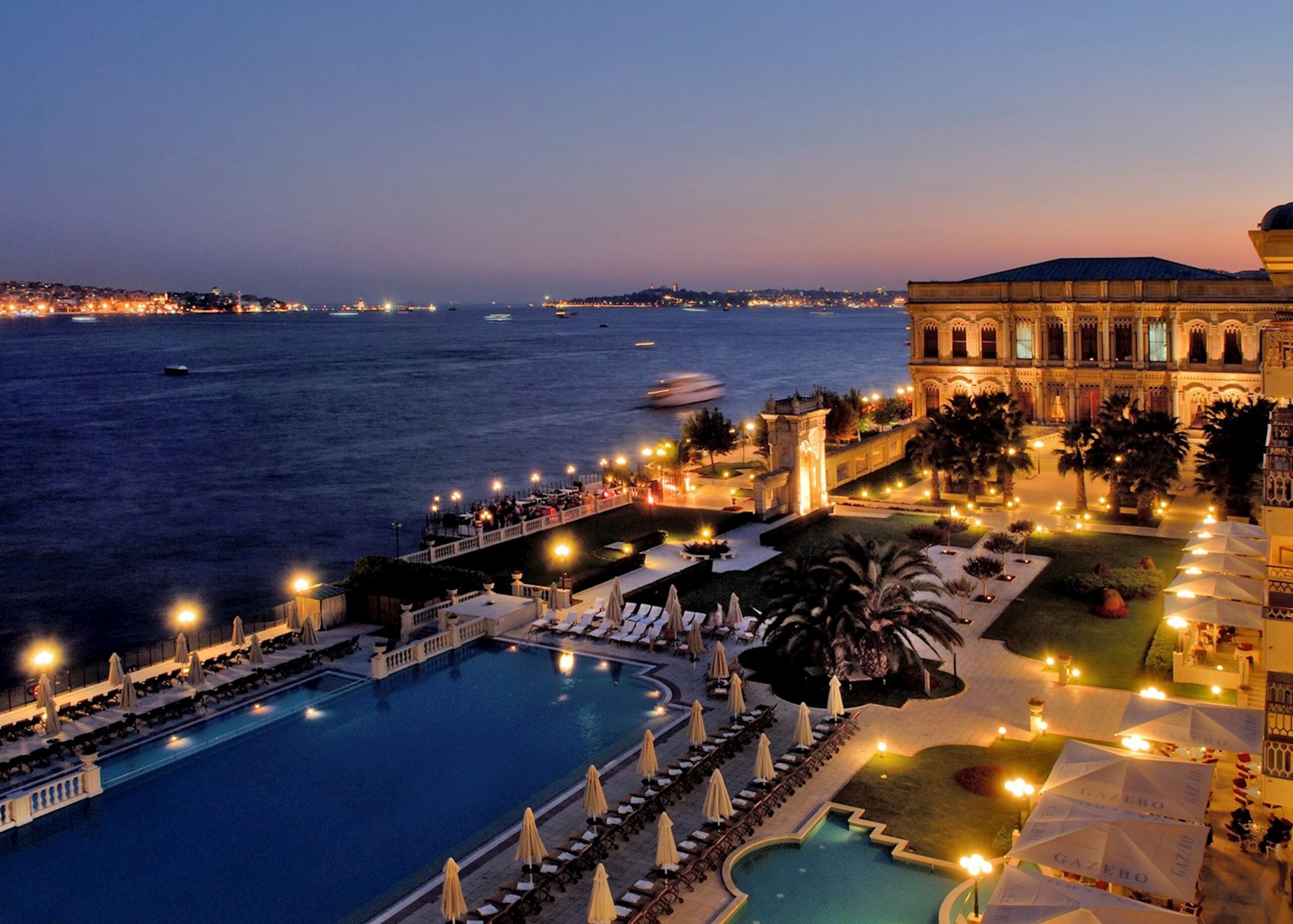
We continue our journey through Turkey's most significant palaces. Today we'll talk about Ciragan, one of the most luxurious and, arguably, the most magical. As soon as you step inside, you're transported to another world, filled with splendor and history.
The palace was originally built by Mahmud II, but its current, stunning appearance is due to Sultan Abdulaziz, who completely rebuilt it in the 19th century. Situated in the picturesque Beşiktaş district, in the heart of Istanbul, Çırağan stands out for its Baroque architecture—a combination of sophistication and monumentality that immediately catches the eye.
Today, Çırağan Palace is more than just a historical landmark; it's a five-star hotel offering its guests a unique opportunity to immerse themselves in the atmosphere of bygone luxury. It is undoubtedly one of the most striking and memorable palaces in Turkey.
But it's important to understand that Çırağan is more than just a beautiful building. It is one of the few surviving witnesses to the final, most difficult, and dramatic periods of the Ottoman Empire. Here, within these walls, the fate of the state was decided, intrigues were woven, and decisions were made that shaped the course of history. Therefore, a visit to Çırağan is not only an aesthetic pleasure but also an opportunity to touch upon an important chapter of Turkish history and experience the spirit of a bygone era. It's like peering into the past, seeing with your own eyes how the last representatives of a great dynasty lived and ruled.
4. Ibrahim Pasha

Continuing our tour of Istanbul's magnificent palaces, today we'll visit the Ibrahim Pasha Palace. It stands right on Sultanahmet Square, in the heart of the historic district, and was formerly known as the "Horse Square Palace"—a name that, incidentally, adds to its mystique. But where did its modern name come from? The palace is named after Pargalı Ibrahim Pasha, a powerful vizier and, significantly, son-in-law of Suleiman the Magnificent. This connection to one of the most famous sultans of the Ottoman Empire underscores the palace's significance in history.
Today, the palace serves as the Museum of Turkish and Islamic Art, offering visitors a unique opportunity to explore the region's rich heritage. Ibrahim Pasha, a man of exquisite taste, commissioned the construction of a building that became one of the most striking examples of Ottoman civil architecture. It is not simply a beautiful structure, but a reflection of an era when power and art were closely intertwined.
Interestingly, the palace's fate has been quite varied over the centuries. It served as barracks, hosted foreign ambassadors, and was even used as a prison and base for a janissary detachment. This rich and sometimes complex history makes it even more valuable for understanding Istanbul through the ages. Ibrahim Pasha Palace is a living testimony to the changes the city has undergone and a reminder of the influential figures who left their mark on its history.
5. Yildiz
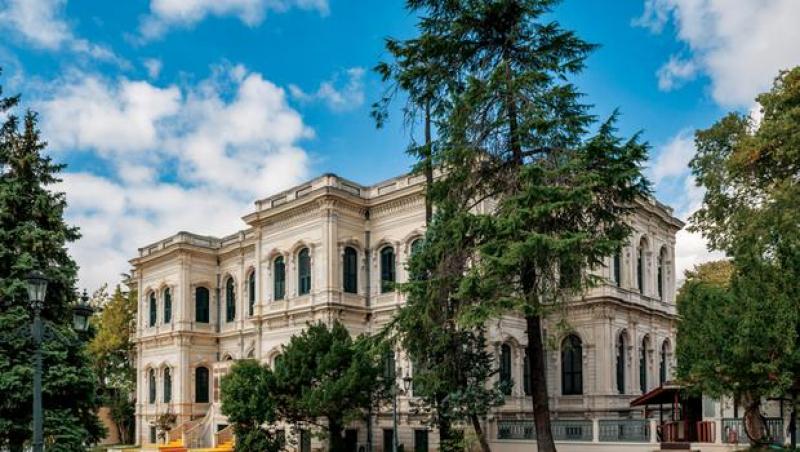
Yıldız Palace is a truly impressive site in Istanbul, and it's no coincidence that it's been included on UNESCO's temporary World Heritage List. Its architecture is a unique blend of traditional Ottoman motifs and more modern elements, making it particularly interesting for history and architecture buffs. The palace was built by order of Sultan III Selim for his mother, Mihrişah Sultan, and for many years played a key role in the history of the Ottoman Empire.
The reign of Sultan Abdulhamid II was a particularly important period in the life of Yıldız Palace. It became the main palace of the Ottoman Empire, the center of political life, and the site of crucial decisions. Imagine the events and intrigues that unfolded behind its walls!
Beyond its historical significance, Yıldız Palace is striking in its scale. Its spacious, richly decorated halls and vast, manicured garden create an atmosphere of luxury and grandeur. Inside the building, a library with a rich archive is a true treasure trove for researchers and historians. Here, priceless documents can be found, shedding light on the past of the Ottoman Empire.
Yıldız Palace is located in the picturesque Beşiktaş district, in the heart of Istanbul, and is open to the public. If you're planning a trip to Istanbul, be sure to include it on your itinerary – it will allow you to experience Turkey's rich history and culture and see magnificent Ottoman architecture firsthand. A visit to Yıldız Palace is like a journey through time, a chance to experience the spirit of the era and understand how the Ottoman Empire lived and ruled.
6. Ishak Pasha

The Ishak Pasha Palace in Agra is a truly impressive sight, one of the most significant Turkish palaces still standing. Situated in the picturesque Dogubayazit district of Ağrı, it stands as a shining testament to the grandeur of the Ottoman Empire. Construction of the palace began in 1685 and, surprisingly, lasted nearly a century—it took approximately 99 years to complete this grandiose project. This speaks volumes about the scale of the work and, likely, the complexity of logistics at the time.
The Ishak Pasha Palace is a key building in Agra during the Ottoman Empire, and its architecture stands out among other structures. But its most intriguing feature is its innovation: the palace is considered the first in the world to be equipped with a central heating system. Imagine how advanced this was for its time! The palace contains approximately 115 rooms, each one preserving echoes of history and demonstrating the skill of its builders.
A visit to Ishak Pasha's Palace is an opportunity to experience a rich past and admire a unique example of architecture. If you have a Museum Pass, entry will be significantly easier and more convenient—a great way to save time and money, especially if you plan to visit several museums and historical sites. Ishak Pasha's Palace in Agra is more than just a building; it's a window into history worth discovering.
7. Fairy
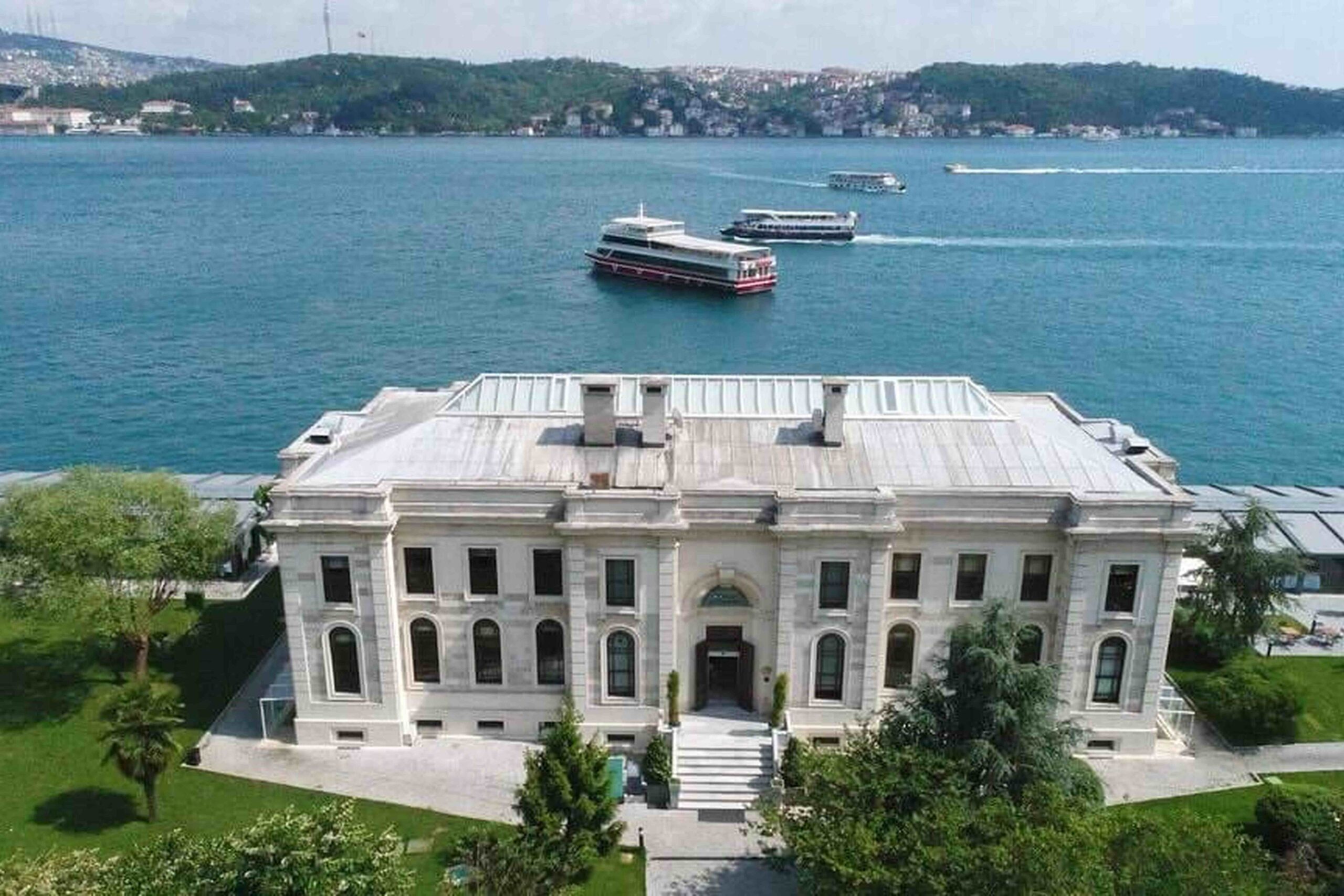
Now we head to another stunning palace, offering a breathtaking view of the Bosphorus. This is Feriye Palace, located on the picturesque road between the districts of Beşiktaş and Ortaköy. It holds a special place in the history of the Ottoman Empire, being the second palace built for the sultan's family on the shores of the strait. And here's the interesting thing: Feriye is not a single palace, but an entire complex consisting of several buildings.
Imagine: three main buildings, a block for concubines, and a small two-story structure facing the sea—all lined up along the shore, like precious pearls scattered against the backdrop of the Bosphorus. It creates a truly impressive scene.
A deeper dive into history reveals that Abdulaziz, the sultan overthrown in the 1876 coup, lived for a time in the Feriye Palace. It became a sort of refuge for him after political upheaval. Subsequently, until the abolition of the Caliphate on March 3, 1924, various members of the Ottoman dynasty found refuge and spent their lives here.
After the dynasty left Feriye, the palaces stood idle for some time, as if awaiting their new purpose. They were eventually given over to educational institutions, preserving this unique historical heritage and making it accessible to future generations. Today, Feriye is more than just a beautiful building; it is an important monument of Ottoman architecture and a testament to the country's turbulent history, demonstrating the evolution of palace life and the political realities of the time. Its location on the Bosphorus certainly adds to its special charm and significance.
8. Topkapi

Topkapi Palace is a truly remarkable place, and perhaps one of the most significant on our list of historical landmarks. For nearly four centuries, it served as the home of the Ottoman dynasty and the heart and administrative center of the vast empire. Just imagine: here, within these walls, decisions were made that determined the fate of entire nations!
Construction of the palace began on the orders of Sultan Mehmed Fatih and was completed in 1478. But this doesn't mean the palace was finished once and for all. Over the centuries, new structures were continually added, existing ones were expanded, and reconstructions were made. It was as if the palace grew with the empire, reflecting its changing needs and ambitions.
Topkapi Palace covers an impressive 300,000 square meters. The scale is truly astounding! Inside, you'll find mansions, spacious squares, picturesque courtyards, and manicured gardens—all creating a unique atmosphere of grandeur and tranquility. Essentially, it's one of the largest palace museums in the world, offering a unique opportunity to immerse yourself in the history of the Ottoman Empire. A visit to Topkapi Palace isn't just a tour of beautiful buildings; it's a journey through time, allowing you to experience the spirit of the era.
And by the way, for those planning a visit to Istanbul, it's worth checking out the Museum Card. It allows free entry to Topkapi Palace, which is certainly a nice bonus. However, it's worth remembering that the Museum Card does not include the Harem and Hagia Irene—separate tickets are required for these areas. This is a small clarification, but it will help avoid any misunderstandings once you're there.
9. Beylerbeyi
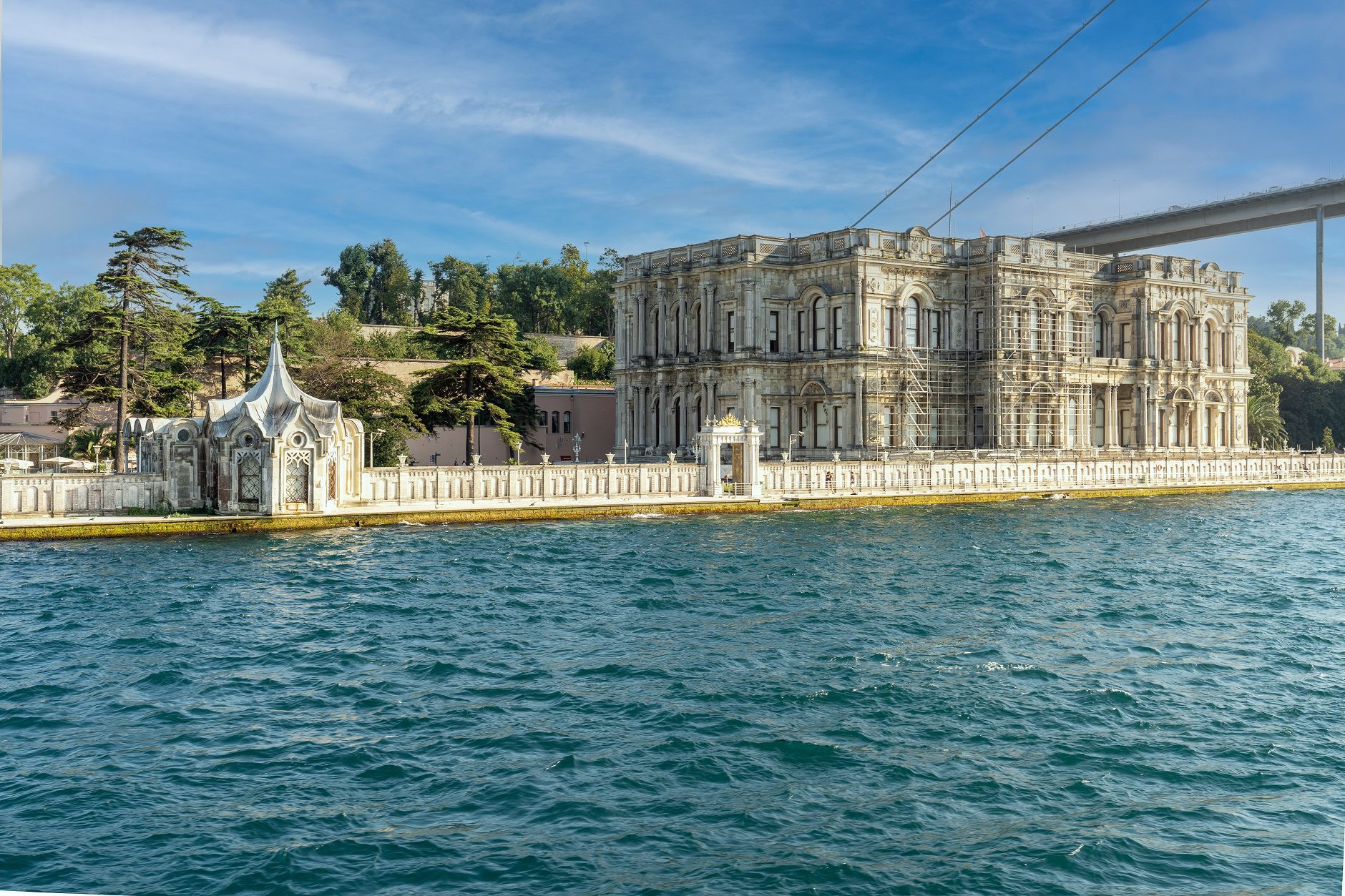
Another treasure that miraculously survived to this day in its original splendor is the Beylerbeyi Palace. This magnificent complex, preserved since the 19th century, is a striking example of Ottoman architecture and the opulence of the period. Its construction was commissioned by Sultan Abdulaziz to the talented architect Sarkis Balyan, and the palace, located between Kuzguncuk and Çengelköy, essentially served as the sultan's summer residence.
Just imagine: six spacious halls and a whopping twenty-three rooms—the sheer scale! The palace's interior reflects Abdulaziz's passion for the sea; maritime motifs are everywhere, recalling his love of the Bosphorus and boat trips. This isn't just a decorative element, but a reflection of the ruler's worldview, his connection to nature, and the empire's power.
Today, Beylerbeyi Palace is open to the public and offers a unique opportunity to experience history. Its terraces offer breathtaking views of the sea, and the manicured garden creates an atmosphere of tranquility and beauty. To make your visit easier, you can use the Museum Card—a convenient and affordable way to access many Istanbul attractions. The palace is open daily except Mondays, so plan your trip in advance to avoid missing the opportunity to see this architectural marvel with your own eyes. A visit to Beylerbeyi Palace is more than just a tour; it's a journey through time, allowing you to experience the grandeur of the Ottoman Empire.
10. Chiefte Saraylar

We conclude our overview of Turkey's iconic palaces with Çifte Saraylar, a truly unique place. The name, which translates as "Twin Palaces," speaks for itself: it's a complex consisting of two buildings located side by side. What's particularly interesting is that each palace is designed in a completely different style—one in traditional Ottoman style, the other in European style.
The idea for this blend of styles belongs to Sultan Mahmud II, who actively pursued reforms in the first half of the 19th century, seeking to modernize the Ottoman Empire. As part of these transformations, he wanted to integrate elements of Western architecture into the traditional Ottoman palace style. Therefore, to realize this vision, the sultan invited the French architect Alexandre Vallauris, renowned for his European-style works, to design the "European" section of the palace. Vallauris made a significant contribution to the development of Çifte Saraylar, introducing new forms and decorative elements to Ottoman architecture.
In the past, the Çifte Saraylar served a variety of functions. While Sultan Mahmut II lived and worked in one part of the palace, another hosted receptions, ceremonial events, and even diplomatic meetings. One can imagine the vibrant life that once teemed here! Today, the palace is constantly in flux—its various uses exist. For example, it houses the Faculty of Fine Arts of Istanbul Technical University, a testament to the continued tradition of education and creativity. Furthermore, part of the palace is open to visitors as a museum, offering a glimpse into the history of the Ottoman Empire.
And, of course, we can't forget the magnificent Çifte Saraylar Garden, which offers a stunning view of the sea. It's a place where you can escape the bustle of the city and enjoy the beauty of nature while contemplating the architectural legacy of the past. A visit to Çifte Saraylar is more than just a tour; it's an opportunity to see how East and West intertwined during a time of change, and how this unique blend is reflected in its architecture and culture. It's truly a place worth seeing with your own eyes.