

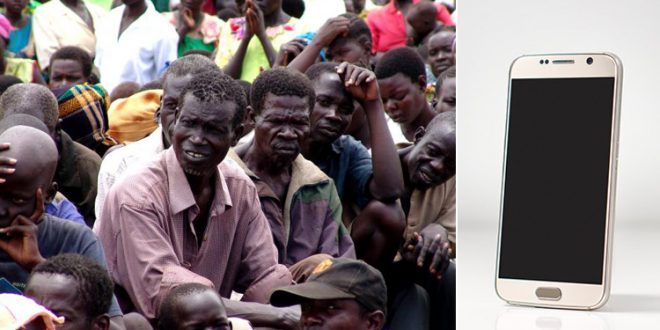
The words «21st century» have become synonymous with «development» and «modernization.» At first glance, it seems we've truly advanced in many ways. But if we dig deeper and look at the situation in areas rarely mentioned in the media, we'll discover that in some respects we've taken a step back. There are distorted facts about modern society that would make most of us shudder.
Here is a list of such absurd facts about modern society that are worth pondering and asking yourself: «Where are we heading?»
1. According to a survey, there are more than 100 million homeless people worldwide, and 1.6 billion people live in «inadequate shelters.».

The international nongovernmental organization Habitat for Humanity estimated that in 2015, there were 1.6 billion people living in «inadequate shelter» worldwide. Of these, a billion live in informal settlements, such as makeshift shacks and slums, due to a lack of adequate and affordable housing. More than 100 million people worldwide are homeless, lacking access to basic services such as sanitation, water, electricity, and so on. UN-HABITAT estimates that by 2030, an additional three billion people will need shelter on an already overburdened planet.
As of 2011, there were 24,400,000 homeless people in Nigeria alone, and 7,000,000 in South Africa as of 2007. In China, there were 2,579,000 homeless people in 2011. The population is growing exponentially, and its numbers are expected to increase dramatically in the coming years. (1, 2)
2. More Africans have access to mobile phones than to running water and electricity.
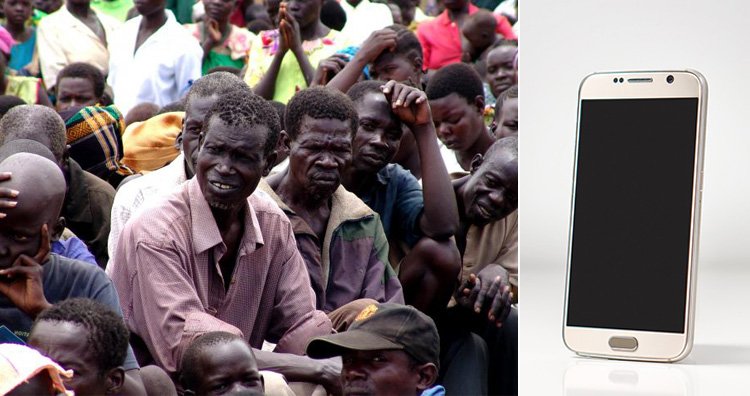
According to a report by Afrobarometer, 93% of Africa's population owns mobile phones, but only 63% have access to running water. The report was based on a study conducted in 35 African countries, which included in-person interviews with over 50,000 people.
Fewer than one in three Africans has proper sanitation, and approximately 50% of the population lives in areas without paved access roads. The lack of safe wastewater disposal and the slow rate of sewerage system development (just 8% over ten years) lead to wastewater backing up, causing illnesses that can be fatal. Without clean water, drinking contaminated water exacerbates the situation, especially for children. A lack of electricity means no light after sunset, hindering education and a number of industrial processes, slowing growth and literacy in African countries. (source)
3. The world's 100 richest people earned enough money in 2012 to end global poverty four times over.
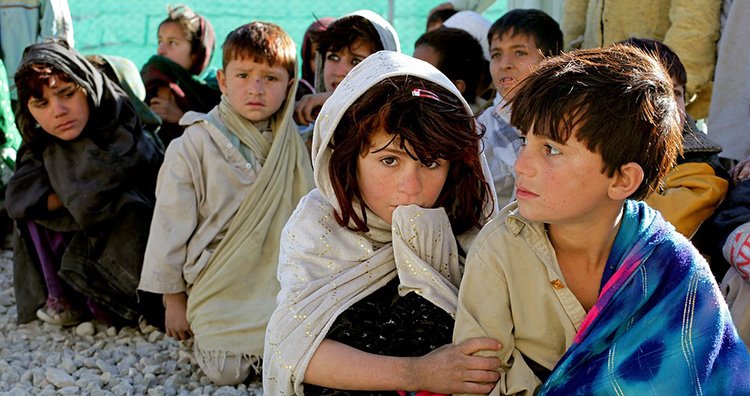
In 2012, the combined income of the 100 richest people on the planet was $240 million. According to Oxfam, this sum is enough to eradicate extreme poverty on Earth four times over. That same year, 1.2 billion people lived in extreme poverty, with the poverty line at $1.25 a day. Under the current economic model, it would take a century to lift the poor out of poverty and help them live with access to basic necessities.
According to UNICEF, more than half of the world's children live in poverty. Extreme poverty is a problem not only in underdeveloped or developing countries, but also in developed nations. Over the past two decades, the income of the richest 1% has increased by 60%, and they are estimated to consume 10,000 times more carbon than the average US citizen. (1, 2)
4. On average, 20 thousand people die of hunger on planet Earth every day.
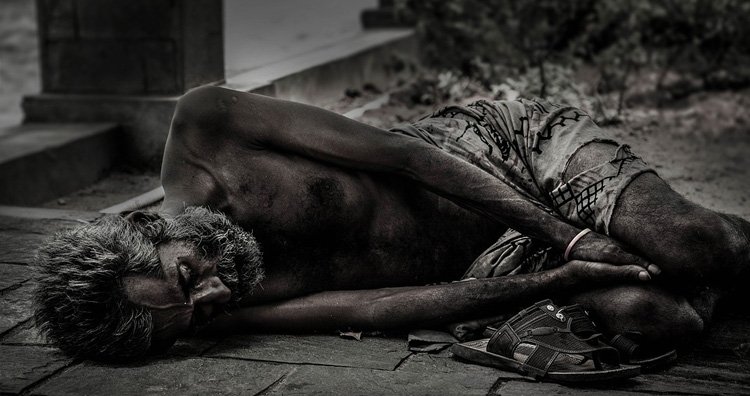
Every year, at least 9 million people die from hunger-related causes. Dividing this number by the number of deaths per day yields approximately 24,000. Nearly 842 million people worldwide suffer from hunger, representing approximately 12% of the planet's total population, despite the world producing enough food to feed everyone. According to the World Health Organization, hunger is the world's greatest public health threat.
Every ten seconds, a child dies from hunger or related causes worldwide, amounting to three million child deaths annually. In 2011, malnutrition accounted for 45% of deaths among children under five. However, the proportion of people suffering from hunger and wasting is declining. In 1990, it was 37%, and in 2009, it was 16%. About 98% of people suffering from hunger live in developing countries, and more than 60% of them are women. (1, 2)
5. In China, at least 60 million children are left without parents and are growing up without them.

It's estimated that at least 60 million children in China are growing up in rural areas without parents, accounting for one-fifth of the country's total. Their parents live elsewhere to earn a living. More than two million children are believed to live completely alone, without the care of close relatives. Separation is extremely traumatic for children, who not only miss their parents but also struggle to cope in isolation.
The parents of many of these children visit them only once a year, or at best two or three times. They are powerless because they have few opportunities to earn money in rural areas, and they are forced to migrate, leaving their children behind. China's household registration system allows Chinese people to work anywhere, but they can only access social services, including education and healthcare, in the village to which they belong. Many parents who do not want to leave their children behind are forced to do so because of this legal barrier.
6. Antibiotic resistance may cause more than 10 million deaths a year, making it a bigger problem than cancer.
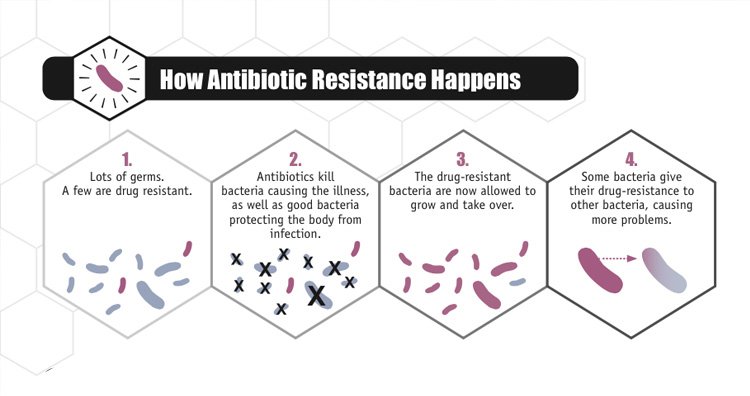
By 2050, antibiotic-resistant infections could cause 50 million deaths worldwide and result in annual losses of €69 trillion. Currently, 700,000 people die from drug resistance. Overconsumption of antibiotics by humans and their use in animal agriculture are the main drivers of rising antibiotic resistance in humans. Although antibiotic prescriptions are currently declining, for decades they were recklessly used and prescribed without restrictions by doctors.
A 2016 study conducted by the University of Cambridge found strains of antibiotic-resistant E. coli bacteria in 22 of 92 chicken pieces purchased from seven different supermarkets. Medical experts say that if nothing is done, within a few years we will find ourselves in a «19th-century environment,» where people will die from infections after routine surgeries, leading to an «antibiotic apocalypse.». (source)
7. Every year, globally, we waste 1.3 billion tons of food, which is one-third of all the food we grow.

In poor countries, most food is wasted on farms or during transportation to markets, but in wealthy countries like Canada and the United States, 40% of wasted food is consumed. In the United States, for example, $160 billion worth of food is wasted annually. Dairy products account for the largest share of wasted food. It has been noted that the value of food is inversely proportional to a person's income.
Food waste also wastes water, equivalent to nearly three times the volume of Lake Geneva, and leaves a massive carbon footprint. Globally, food waste generates nearly 3.3 billion tons of carbon dioxide. Of the approximately 3.9 billion tons of food produced, 1.3 billion are wasted. Yet, millions of people die of hunger every year. Governments in several countries are implementing reforms aimed at reducing food waste, including by distributing it to the homeless and needy. (source)
8. The world's population reached one billion in 1804, and it took 123 years to increase it to two billion. It took 33 years to go from two billion to three billion, and only 14 years to go from three billion to four billion.

In 2015, there were 7.2 billion people on Earth. In 2011, when we reached the seven billion mark, it took us just 11 years to add a billion to our population. Seven years later, in 2018, we added another 35% to that billion, and growth continues at an alarming rate. Longer life expectancy, improved healthcare, declining mortality, a lack of education about family planning, superstition, the desire to have a boy, and a number of other factors have played a significant role in this population explosion. A UN report states that even today, 200 million women lack access to information about family planning. Many people are unaware of contraception, and some of those who know avoid it for religious reasons.
Population growth rates far exceed the rate at which our resources can be replenished. Some countries with faster population growth than others are at high risk of economic slowdown and famine. China (1.42 billion in 2018) and India (1.35 billion in 2018) alone account for 36.5% of the world's population. Statistics suggest that the time will come when overuse of resources and population explosion will cost lives. (1, 2)
9. Long-term mental health is not the norm. Only 17% of people aged 11 to 38 do not suffer from mental disorders.

Mental illnesses are on the rise in modern society for a number of reasons. A research report published in Journal of Abnormal Psychology« , The results of a study conducted among 988 people in New Zealand are presented. It was found that only 17% of them had not experienced at least some mental disorder. All the rest had experienced at least one episode of anxiety, depression, or another psychological illness by age 30. Many children also show signs of mental disorders. Childhood plays a significant role in the development of good or poor mental health in adulthood.
One in four people will experience a mental illness in their lifetime. Research suggests that approximately 450 million people currently suffer from mental health issues. Failure to address mental health issues is another huge challenge facing the world. A combination of anxiety and depression is one of the most common mental disorders. The World Health Organization has called it a growing health problem in modern society and stated, «Unless we take urgent action, depression will become the world's leading disease by 2030.». (source)
10. Cybercrime costs will be approximately six trillion dollars annually by 2021, double the 2015 figure.

Cyberattacks are one of the growing problems facing modern society and the internet's greatest drawback. Cybercrime has increased dramatically. In 2015, cybercrime damage worldwide amounted to three trillion dollars, and this amount is expected to double in the next three years. This forecast, confirmed by numerous colleges, universities, industry experts, and government officials, was based on a study of historical cybercrime data and the annual increase in damages.
Damages include the cost of stolen personal and financial data, stolen money, fraud, reputational damage, privacy violations, and more. Cyberattacks are considered the fastest-growing type of crime in the United States. Approximately 51% of the world's population are internet users, and this figure is expected to increase to 90% by 2030. Microsoft estimates that the total volume of data on the internet will increase 50-fold in 2020 compared to 2016. Every 40 seconds, a company falls victim to a ransomware attack, and the FBI estimates that ransom payments from such attacks amount to up to one billion dollars per year.
The hidden «Dark Web,» notorious for its illegal activity, is believed to be 5,000 times larger than the public Internet, where the risk of cybercrime is extremely high and oversight is very weak. According to Gartner Inc., global spending on information security currently stands at approximately $93 billion and is expected to increase by 12-15% annually. (source)