

It's often claimed that we're living in the most peaceful time in history. That even though news reports of violent incidents are apparently on the rise, this is only due to the increased dissemination of information via smartphones and social media, not to an actual increase in violence. While this sounds intuitive, this school of thought is actually based on a single book by a popular Harvard psychologist. Steven Pinker , published in 2011.
This is not entirely inaccurate, although it is a far-reaching conclusion based on a narrow reading of the data. According to one study published in Current Anthropology journal , While violence-related deaths may be declining across the population, they are still increasing at alarming rates compared to other species in the wild or even hunter-gatherer societies in the past. The number of violence-related deaths should actually decline with population growth, which, it seems like completely Not So.
More importantly, since 2011 much happened. While we're not sure whether society has statistically become more peaceful over the past few centuries, the number of wars ongoing right now doesn't seem to be decreasing. In fact, some are in their most intense phase, threatening the security and well-being of a significant portion of humanity.
10. Tigrayan Rebellion
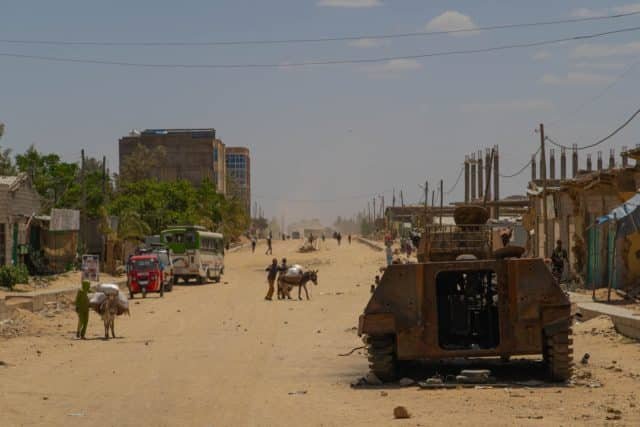
The Ethiopian government is currently waging a bloody civil war in the northernmost state of Tigray. As of April 2023, the conflict, which began in November 2020, It has claimed the lives of more than half a million people and displaced around two million, making it one of the largest conflicts in African history.
In addition to the usual horrors of war, the region is also facing acute hunger. Human rights groups say more 90% The population may need urgent humanitarian assistance. However, the fighting is far from over, and at this point it appears to be escalating. This is a multifaceted conflict, involving a variety of actors, particularly neighboring Eritrea, in varying degrees.
Ethiopia claims this is a separatist war aimed at establishing a Tigray state, although the rebels see it as a fight for self-determination. Ethiopia believes Tigray People's Liberation Front The TPLF is considered a terrorist organization and regularly conducts counterinsurgency operations, though these have done little to stop the violence. Human rights groups have reported grave war crimes on both sides, though most remain independently unverified and unknown due to the fog of war.
9. World War II
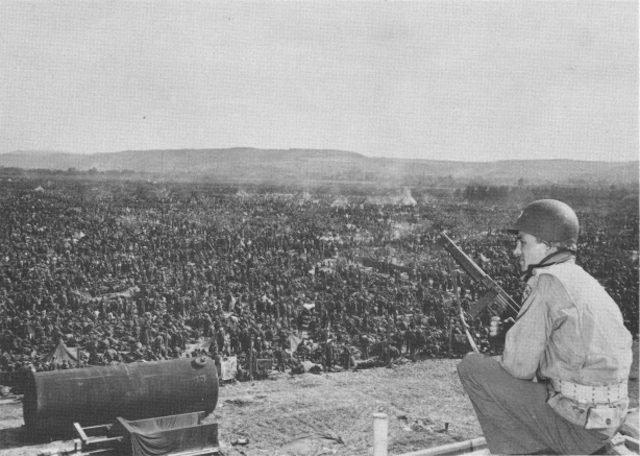
Yes, you read that correctly. And no, World War II isn't «little known.» But the fact that it's still going on? Well, that's a little less well-known.
The Kuril Islands are a Russian-controlled group of islands off the northern coast of Japan, though they are also claimed by Japan, known domestically as the Northern Territories. Occupied during World War II, the islands were originally inhabited by the Ainu people, though they were eventually displaced by Japanese settlers over the centuries. Red Army troops occupied them during the final stages of the war. In 1945 and expelled all its Japanese inhabitants in 1946.
Due to this dispute, Japan and Russia have still not signed an official agreement. peace treaty , meaning that World War II is still ongoing. Many will consider this a formality, although Japan still considers the islands part of its territory. Moreover, tensions between the two countries have been rising since the invasion of Ukraine, and Russia has clearly used this to deny any possibility of peace negotiations on the islands.
8. Civil War in Colombia
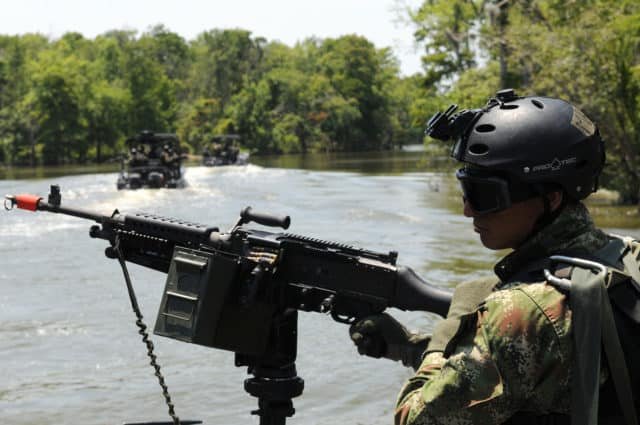
The current civil war in Colombia has been going on since 1964, and although peace agreement was signed in 2016, violence continues in many parts of the country. It's difficult to pinpoint who's fighting whom here, as the war has so far involved a variety of actors. These include far-right paramilitary groups, private death squads, hired corporations , drug cartels, communist organizations such as FARC and ELN, and governments of many countries, including the United States.
Although the situation has improved in recent years, the conflict is still quite active. Much of the violence was directed against local populations suspected of belonging to one of the many armed groups involved in the fighting, and from the very beginning it was reported mass war crimes such asrape , enforced disappearances, torture and murder. The ongoing global war on drugs complicates the whole situation, as Colombia is the largest manufacturer cocaine in the world.
Still died during the conflict more 220 000 people, although the actual number is believed to be much higher.
7. Kashmiri Uprising
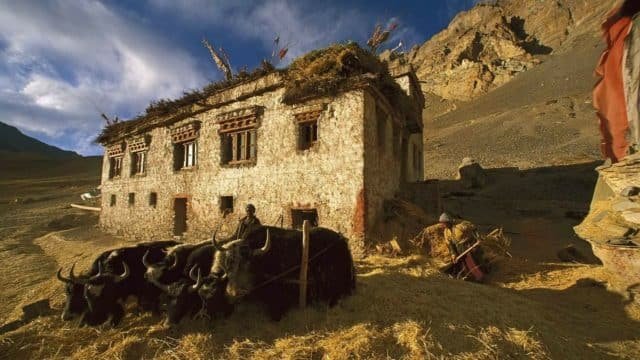
The insurgency in Indian-administered Kashmir began in 1989, when members of the Jammu and Kashmir Liberation Front (JKLF) kidnapped the daughter of the Indian home minister. They demanded the exchange of some of their militants, a request that was eventually granted. The kidnapping was followed by a series of protests across the state, which led to Indian security forces brutally dispersing the rebels.
This event is common they call triggered the Kashmiri insurgency in Indian-administered Kashmir—one of the longest-running active insurgencies in the world. This was followed by various armed insurgent groups, some extremist, that emerged across the region in the 1990s; a problem exacerbated by the situation in Afghanistan .
Although Kashmir already had a complex geopolitical status at the time – as it was partly controlled by India, Pakistan and China after the British withdrawal in 1947 – it was the beginning of an armed violent uprising that still kills up to 70 000 people, although the actual number could be much higher. Although its worst phases are long behind us, violence continues in the form of clashes with local forces and counter-terrorism raids in villages across Kashmir.
6. Civil War in Somalia
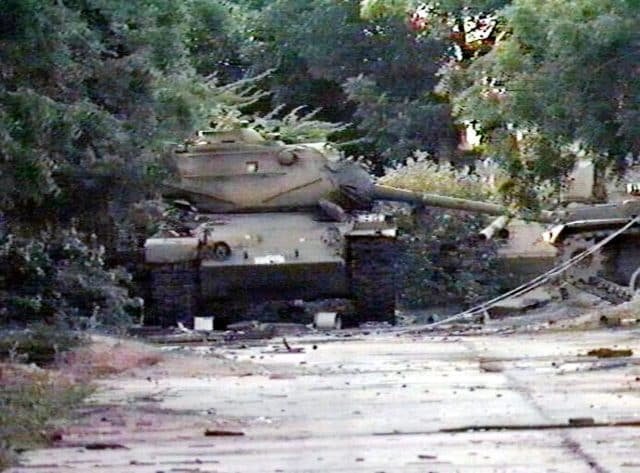
The ongoing civil war in Somalia dates back to the fall of President Said Barre's government in In 1991 , when a bloody rebellion unleashed by various armed groups ousted him from power. Since then, the entire country has been devastated by one of the world's longest wars. More than 2.6 million Somalis have been displaced by the conflict. , as a result of which today died from 450,000 to 1.5 million people due to factors such as famine, open conflict, terrorist raids, disease, and piracy on its northern shores, among many others.
Insurgent groups include extremist organizations such as al-Shabaab, which has often led to harsh responses from government forces, exacerbating the situation for civilians. Further complicating the conflict, many different countries have been drawn into the conflict, including forces from Ethiopia, Kenya, the United States, and the African Union, as well as mercenaries and undocumented fighters from around the world, such as al-Qaeda. Reports of war crimes and atrocities against civilians are reported on all sides, although international efforts to end the war have so far proven insufficient.
5. Afghanistan – the war of the Islamic State
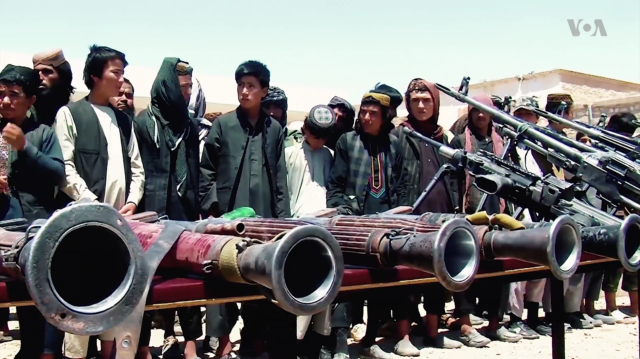
The withdrawal of US and allied troops from Afghanistan has left some parts of the country in dire straits. As the Taliban seeks to stabilize the war-torn country—as absurd as that may sound—they are threatened by an increasingly intense civil war with extremist groups, primarily the Afghan branch of the Islamic State. states .
Known to Afghans as ISIS, attacks by the global terrorist organization have increased in both frequency and death toll since its withdrawal, particularly around Jalalabad. While the Taliban and ISIS have always been at odds with each other, the Taliban now holds power in Afghanistan, controlling its assets and armed forces. The conflict is in its early stages and is limited to certain regions of the country around Jalalabad, although it could spiral out of control at any moment. Attacks have included armed raids on government facilities, as well as mass protests. terrorist attacks , which have already killed hundreds of civilians across the country.
4. Boko Haram insurgency
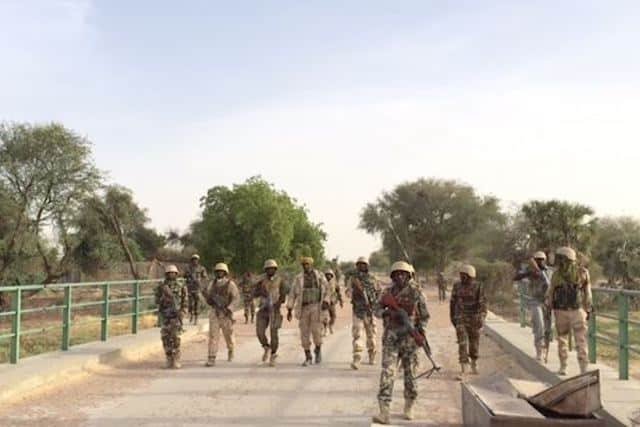
«Boko Haram is an extremist Islamist group operating in central and west-central Africa. Although it is sometimes referred to as the West African branch of the Islamic State, the two groups are in fact distinct, even if they are ideologically linked by their similar goals of creating a global Islamic state.
Along with terrorizing civilians, Boko Haram is also in open armed rebellion against the Nigerian government with 2009 — a conflict that has killed more than 1,000 people to date 35 000 In recent years, the violence has also spread to neighboring countries such as Chad, Cameroon, and Niger, and by the time it ends, it may even have far-reaching consequences beyond Africa.
The humanitarian costs have been particularly high for Nigeria. Since 2009, the group has committed kidnappings, murders, pogroms, bombings of government infrastructure, and many other atrocities aimed at destabilizing the government's control over Nigeria.
3. Civil War in Libya
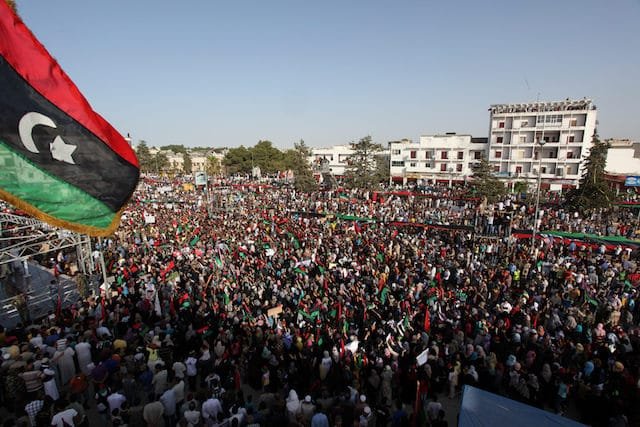
The Libyan civil war was one of the bloodiest conflicts during the wave of uprisings in the Middle East and North Africa known as the Arab Spring. Beginning in 2011, it was also one of the first conflicts in the information age, or more precisely, disinformation . At its peak, social media was awash with what many now call «fake news» from both sides, making it difficult to get a clearer picture of what was happening on the ground until Gaddafi's gruesome execution in October 2011. years .
Now, independent researchers and human rights organizations have a much clearer picture of the situation. Far from the stability and peace the uprising promised—at least in theory—Libya is now controlled by various factions and warlords in open conflict with each other and the state, many of whom are radical extremists. Beyond the ravages of war, Libya has also become a haven for slave traders from across the region. It is perhaps the only country with open slave market , as reported human rights groups and international observers.
2. Mexican Drug War
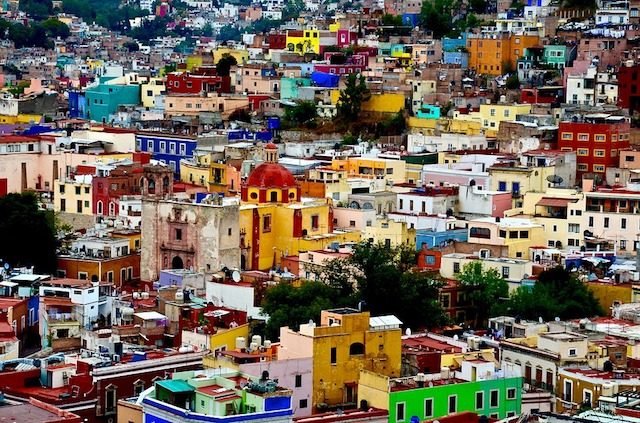
The drug war in Mexico can be seen as part of a larger regional drug war, though it has taken on horrific forms in recent years. Since 2006, armed drug cartel groups have waged a brutal war against the Mexican state. Far from over, the conflict has frequently spilled over into neighboring regions and has now resulted in more than 300 000 murders throughout Mexico.
Mexican cartels control almost the entire drug trade in the region, and many of them are also in open conflict with each other. Civilians suspected of collaborating with rival gangs are often subjected to inhumane torture and executions. Although Mexican security forces have managed to apprehend or eliminate leaders of major gangs, including the infamous arrest El Chapo In 2014, this did little to address the root causes of the conflict.
1. The Houthi Uprising

The war in Yemen began as an armed rebellion by the Houthis against a major state Shiite clan from the northwestern province of Saada—although by now it has taken the form of a major proxy war, not unlike the one in Syria. While the conflict goes back far, the current phase began in 2014, when rebels captured Yemen's capital and largest city, Sana'a, along with the presidential palace.
In March of that year, a 10-nation coalition, including other Gulf states, Egypt, Morocco, Jordan and Pakistan, backed by the United States with weapons and logistics, launched a major operation to recapture cities . While this did nothing to dislodge the rebels, it did lead to humanitarian disaster for the civilian population, which characterizes this conflict to this day. What began as a local uprising against rising prices and corruption has since evolved into proxy war , which involves countries from all over the world, and there is no end in sight.
While its opponents call the movement extremist—and it is in many ways—it is modeled more on Iranian Islamic Revolution , than, say, Al-Qaeda. By the way, «Al-Qaeda» also participates in fighting alongside the Islamic State, which is opposed to both the government and the rebels.