

Studies have shown that animal populations have declined by a staggering 70% over the past 50 years. It's not just animals that are disappearing in the world, but everything you can think of. When was the last time you saw a rotary phone? A cassette player? Animals, companies, technologies, even countries come and go. No one is immune to the passage of time. But sometimes a twist of fate can snatch something from the brink and save it from extinction at the last minute.
10. Tom Cruise saved Ray-Ban
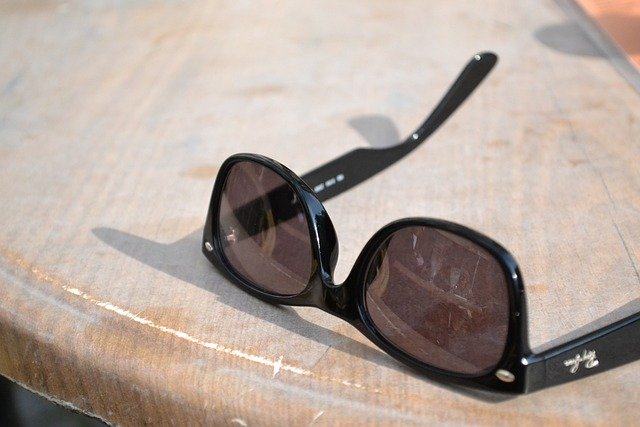
In 2020, the company that owns the Ray-Ban sunglasses brand earned €7.7 billion, which is about $7.5 billion. They also own Oakley and a few other brands, but suffice it to say, Ray-Bans are popular. But it wasn't always that way. In the early 1980s, the company was struggling, and sales were declining. There were rumors that they would be discontinued altogether. And then Tom Cruise happened.
On the movie poster «Risky Business» Cruise wore the iconic glasses in 1983, and he wore them in the film. Sales of the Wayfarers he wore increased by 50% after the film's release.
Three years later, Cruz wore Ray-Bans in Top Gun , and sales increased by another 40%. By 1988, director Barry Levinson actually opposed Cruise wearing them in Rain Man because he was so closely associated with the brand. He wore them anyway and arguably single-handedly saved the company with his work in the 1980s.
9. Plastic billiard balls saved elephants
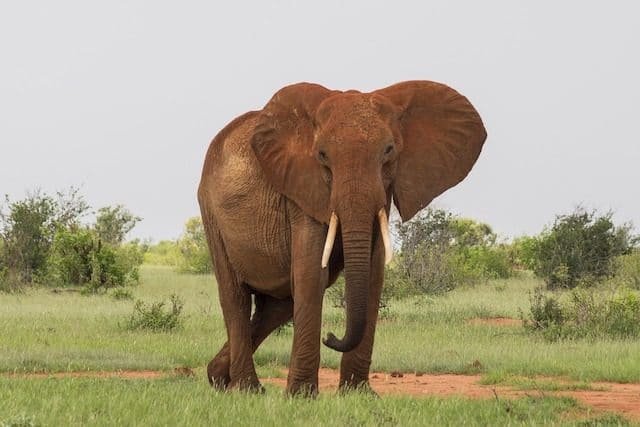
It's hard to imagine how cruel the ivory trade was to elephant populations. Today, fewer than a million elephants remain alive. In 1800, there were 26 million in India. Such widespread slaughter is almost unbelievable. But it would have been even worse if not for a man named John Wesley Hyatt.
As the 19th century drew to a close, Billiards was gaining more and more popularity. Today, many people may not realize that billiard balls back then were often made of ivory. Thousands upon thousands of elephants were killed for pool and snooker. But even the manufacturers weren't entirely happy about this, as ivory was expensive. If a ball wasn't made correctly, it would break, and only four or five balls could be made from a single tusk. At the time, it was believed there weren't enough elephants in the world to meet demand.
John Wesley Hyatt developed a solution that may have saved elephants from certain death. This was a time when plastic was still relatively new. Hyatt developed a new plastic called celluloid in 1869, which was hard, durable, and ideal for billiard balls. It was also much cheaper than ivory.
8. The Man Who Pretended to Be a Crane
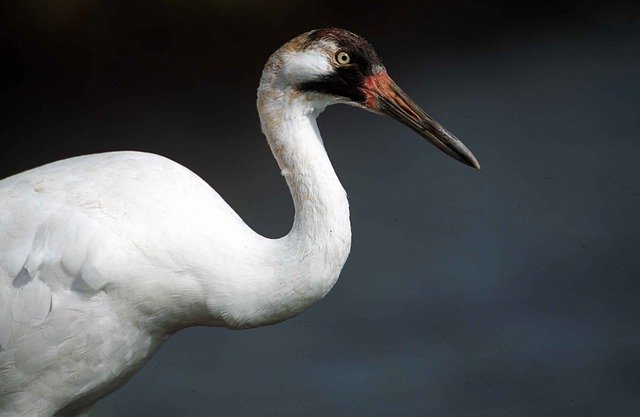
Birds are some of the most remarkable creatures in the world. From tiny hummingbirds with a heart rate of 1,260 beats per minute to the oldest confirmed bird in history, the rosy cockatoo, which turned 83. And then there are whooping cranes, to which George Archibald dedicated his life.
In 1942, only about 15 whooping cranes remained in the wild. Bringing them back from the brink required the conservation work of many people, but George Archibald deserves special recognition for his dedication. To save the species, he worked with a female crane named Tex, who had been raised in captivity, imprinted on humans, and essentially had no idea how to be a bird. But she will be integral to saving a species whose genetic diversity is extremely limited.
Since Tex bonded with humans and perhaps even considered herself one, Archibald did what he thought was the only logical thing to do. He courted her. He brought her into his home and participated in rituals like nest building and dancing. The idea was that if she bonded with him, she would naturally ovulate as she awaited mating. Then scientists could take her in, artificially inseminate her, and produce a new generation of baby cranes. And, remarkably, after years of trying, it worked. After several failures, they had a chick named Gee Weese in 1982. Although Tex sadly died soon after, the story attracted international attention, and today their population numbers around 800.
7. Darwin's theories saved the wine industry
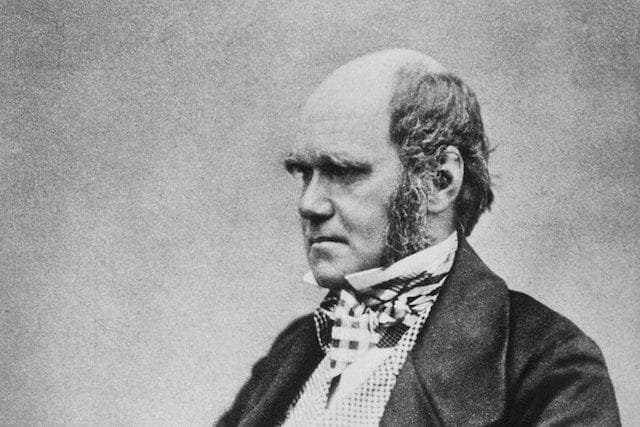
Charles Darwin is obviously best known for his contributions to evolutionary science, but he is also arguably responsible for saving European wine from extinction, something many people are undoubtedly happy about today.
He didn't directly save the wine, but his work was helpful, as European winegrowers were plagued by a parasitic louse called phylloxera. It infected the roots and killed the plants. It was determined that these little monsters had come from America, and a solution was developed based on Darwin's theory of adaptation. European vines would be grafted onto American rootstocks resistant to the louse. They still practice this practice today.
6. Life Magazine Saved a Shar Pei

Shar-Peis aren't the most popular dog breed in the world, but they're certainly very recognizable and very cute with their wrinkled bodies. The breed nearly became extinct in the 1940s due to the Chinese government's heavy tax on dogs native to the country, causing their numbers to decline so dramatically that Guinness declared them the rarest breed in the world in the 1960s.
A Hong Kong breeder tried to attract international attention to the breed to save them, and in 1979, Life Magazine featured one of the dogs on the cover. This brought them to the attention of American dog lovers, and demand skyrocketed, leading to a resurgence in breeding.
5. Avocado was saved by giant sloths.
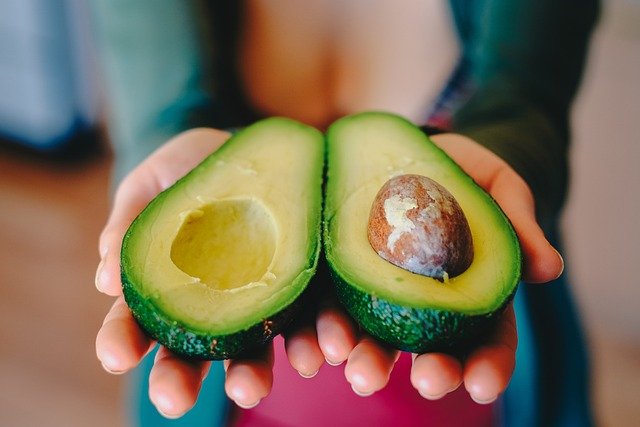
Have you ever wondered why an avocado has such a gigantic pit? Compared to literally any other fruit, the avocado doesn't make much sense. Especially considering how other fruit-bearing plants reproduce. Animals typically eat the fruit, and the seeds are spread through their excrement. But the avocado pit is enormous and inedible, at least by modern standards. However, not many prehistoric ones did, and that's precisely when the avocado was saved from certain destruction by giant sloths.
The avocado dates back to the Cenozoic era, about 65 million years ago. As mammals became the dominant life forms after the dinosaurs, creatures like giant sloths ate avocados whole, roaming the countryside and scattering the seeds. The massive seeds made sense because they could be eaten by large animals and would survive their digestion.
From there, wild avocado growth spread, and although giant sloths and their cousins died out 13,000 years ago, avocados spread far enough that humans could begin cultivating them and save species that might otherwise have gone extinct when their seed-dispersing predators disappeared.
4. The Great Depression helped save turkeys.
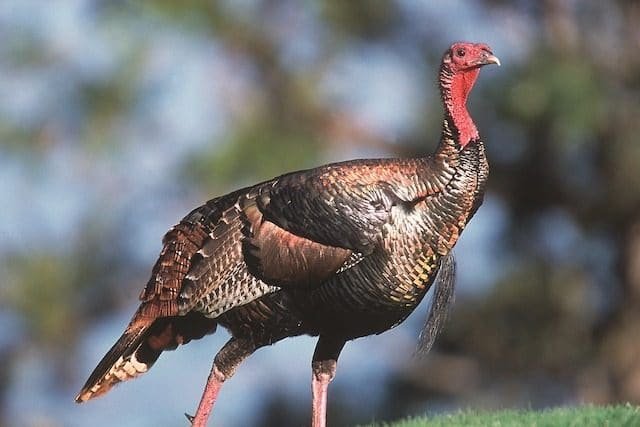
You might not think of the Great Depression as saving anyone or anything, but that's not entirely true. The Depression had a huge impact on turkeys. Turkeys numbered in the millions before the arrival of European settlers. By the 1930s, only about 30,000 remained, and 20 states had lost them entirely.
Although other conservation efforts were underway, the Great Depression gave them what they needed most: space. As families lost their farms, the land reverted to nature. Crops like cotton, which provided no benefit to wildlife, disappeared, while other crops returned, providing habitat and food for the animals. Wild turkeys were once again able to breed undisturbed and began to increase their numbers.
3. Poisoned toad sausages could save northern quolls
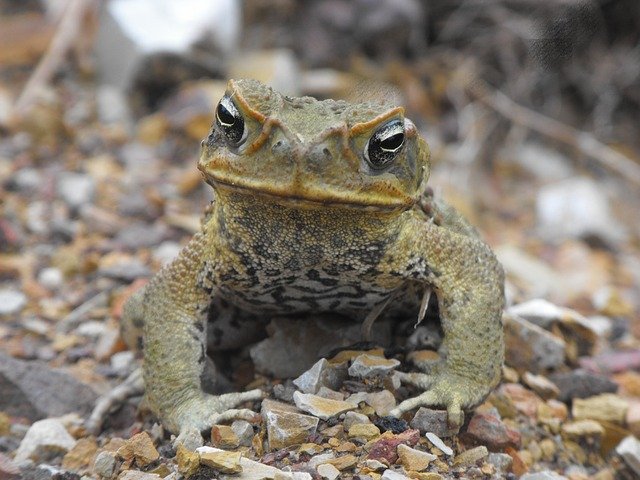
The northern quoll is a small marsupial weighing up to a couple of pounds and found in Australia. They also have the unfortunate habit of eating cane toads. Cane toads are toxic and invasive in Australia, so quolls have no history of them to know to avoid them. As a result, quolls try to eat the cane toads, and the toxins kill them. The result has been a devastating blow to the northern quoll population.
Researchers are trying to protect marsupials, but controlling the cane toad population has been unsuccessful, so attempts to dissuade quolls from eating them have turned to creative means. In other words, people are making sausages out of toads.
Researchers are making sausages from non-toxic parts of cane toads and poisoning them. Not with a deadly chemical, but with one that will make the quolls sick. They're dropping the sausages in front of areas where cane toads currently live, with the intention that the quolls will eat them, associating the cane toads with the disease, and then, when real toads arrive, they won't eat them. It's a novel idea, but the results are mixed, as the program is still relatively new, although data suggests it's yielding positive results.
2. The Great Barrier Reef is being saved by robots that kill starfish.
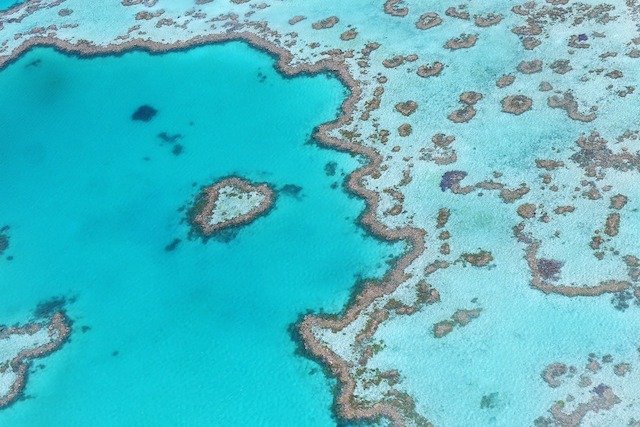
Australia's Great Barrier Reef is under threat from climate change, pollution, and, perhaps, the unexpected emergence of predatory starfish. The Crown-of-thorns starfish feeds on coral and is incredibly difficult to get rid of. You can cut one in half, and it will simply become two starfish. To kill them, you have to either poison them or destroy them completely, which is obviously not easy to do in the ocean. At least not for living ones. But for a robot?
COTsbot is a drone that patrols the reef and attacks crown-of-thorns starfish by injecting them with a toxin. The starfish typically have a stable population, but outbreaks do occur, and they can be devastating. It has been estimated that 40% of reef losses are due to crown-of-thorns starfish. Runoff from farms and overfishing of their natural predators may be the cause. COTSbot carries enough toxin to kill 200 of them and can patrol for eight hours straight, far better than a human diver.
1. The Sapsan trains were saved by sex hats.
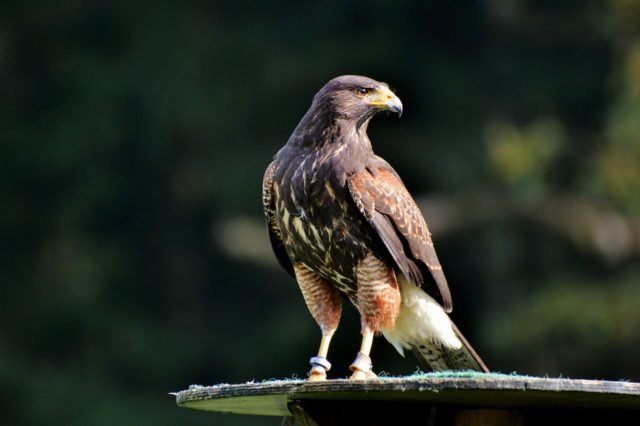
The fastest living creature in the world is the peregrine falcon, which can dive at speeds of 200 miles per hour. These small birds of prey are quite amazing, but we almost lost them to the pesticide known as DDT in the 1950s. DDT made the birds' eggs unviable. The shells would be too soft, and the chicks would fail to develop. By the 1960s, there were no falcons left in the wild in the United States east of the Rocky Mountains, and few remained elsewhere.
Efforts to save the birds grew, necessitating an artificial breeding program. However, breeding falcons is no easy task. It takes several people to handle the bird, a delicate and dangerous task, and then there's the attempt to force it to produce sperm, which isn't always easy and puts a lot of strain on the bird. The result was two or three birds born per year.
A remarkable innovation by a falconer named Lester Boyd changed the situation and saved the birds. Boyd invented the falcon sex hat. Colloquially called an F-Hat, you can guess what the F stands for. The falconer must wear the hat around the male at all times, wear the same clothes to ensure the bird feels comfortable, and spend as much time with her as possible during breeding season. Once the male gets comfortable, he hops onto the hat on the falconer's head and, you know, breeds in that hat. Tiny honeycomb chambers collect the sperm, which is then immediately transferred to the female using a tiny syringe. This method worked incredibly well and saved the species. Today, it's believed there are about 3,000 breeding pairs in North America.