

Advances in bioengineering have made it theoretically possible to do almost anything with plants. In fact, many of the plants we have today have already changed beyond recognition from their former selves. Originally, carrots had white, skinny roots; peaches were salty and the size of cherries; watermelons were small and bitter; and eggplants looked like eggs.
Our world—or at least our supermarkets and gardens—would look different without genetic modification. However, GM crops also have significant drawbacks, and despite all their promises to help us out of our mess, it's clear how they bring us more.
However, here are some of the most inventive and daring ways that people won't leave alone.
10. Super air-purifying pothos

Our typical approach to air purification, using fuel-intensive electric air purifiers, only exacerbates the problem. To provide an alternative, the French company Neoplants has genetically modified the pothos (devil's ivy) plant down to its roots to process airborne pollutants. They call it Neo P1, and it's apparently "capable of doing the air purification work of up to 30 plants.".
Plants are naturally better at absorbing and metabolizing volatile organic compounds (VOCs), but Neo P1 has been engineered to excel, particularly against indoor VOCs such as benzene, ethylene glycol, formaldehyde, and toluene. Nothing is wasted; the compounds are broken down and recycled into water, sugars, and amino acids, which Neo P1 needs for growth, as well as oxygen, which it releases into the air. To enhance its effectiveness, the plant's roots also contain genes for extremophile bacteria (bacteria that have evolved to survive inhospitable environments by feeding on toxins).
As the name of their first plant suggests, Neoplants hopes to create more air-purifying plants in the future. They also see their work as instrumental in the fight against climate change.
9. Nitrogen-fixing crops
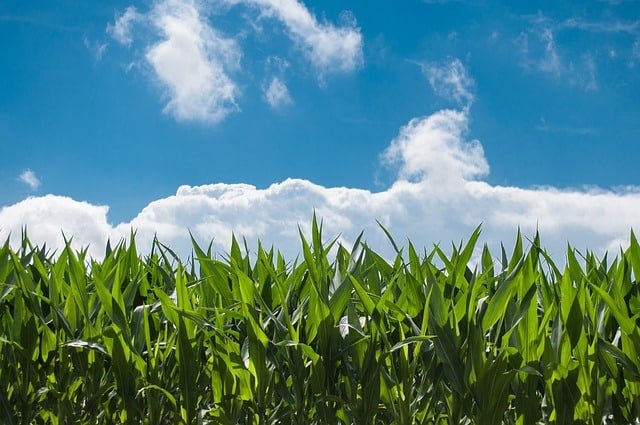
Rightly or wrongly, we're obsessed with dietary protein. And legumes (beans, pulses, peanuts) are among the best plant sources—not only because of how much protein they contain, but also because of how they produce it.
Protein requires nitrogen, the bioavailability of which (i.e., the supply for use by organisms) is limited, so it is added to fertilizers. However, unlike most plants, legumes pluck it directly from the air. This is called "nitrogen fixation." Genetically modifying other staple crops to do the same would revolutionize agriculture worldwide, especially in poor countries, by eliminating the need for expensive, climate-damaging fertilizers.
However, critics say this will take a long time and point to existing problems with GM crops, such as herbicide-resistant weeds. And, clearly, there are other, more direct ways to combat global poverty.
8. Cocaine tobacco
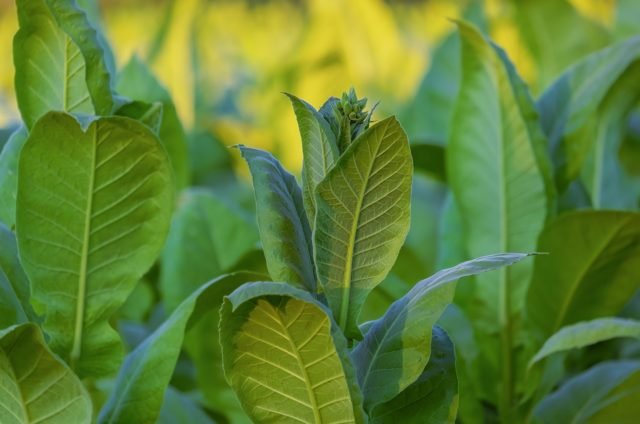
This is an indirect game changer. Don't expect your local dealer to offer a special new brand of shiny white tobacco. Researchers were interested in genetically modified cocaine plants to study its evolution as a pesticide and its potential medicinal uses.
Cocaine production in coca plants has long been shrouded in mystery, partly due to the labor-intensive nature of growing coca in the lab. The answer, developed by Chinese scientists, was to genetically reconstruct the biochemical pathway for cocaine production in the tobacco plant's genome. They left some links in the chain to the tobacco plant to figure out, resulting in tobacco leaves containing cocaine. The implications for drug discovery are significant.
According to the researchers, the amount of cocaine produced was insufficient to make it a viable black market operation, and the process is, in any case, too technical for the average clandestine drug lab. However, the researchers themselves are working on it, hoping to increase the tobacco factory's productivity.
7. Cabbage with scorpion venom

Genetic modification and pesticides are the two most toxic contributions humans make as a species. So why not combine them into one? In an attempt to consolidate the damage we've done, scientists took the venom gene from the tails of deadly scorpions, engineered it to kill only insects, and implanted it in cabbage. What could go wrong?
Although early tests confirmed the lack of toxicity to humans, this concept is fraught with problems. First, the study tested human breast cancer cells in vitro, not healthy human cells in vivo. Furthermore, the cabbage itself could be harmed. The genetic modification could escape and contaminate unmodified samples. And, as with existing pesticides, this could destabilize entire ecosystems.
However, the FDA has a long history of ignoring such concerns when approving GMOs, even when they produce no benefits. In this case, since the pesticidal effect of poisonous cabbage depends on the insects that actually eat it, it's likely that farmers will also use pesticide sprays to keep the insects at bay. In other words, consumers will be exposed to double the amount of toxins.
6. Oak Endospore
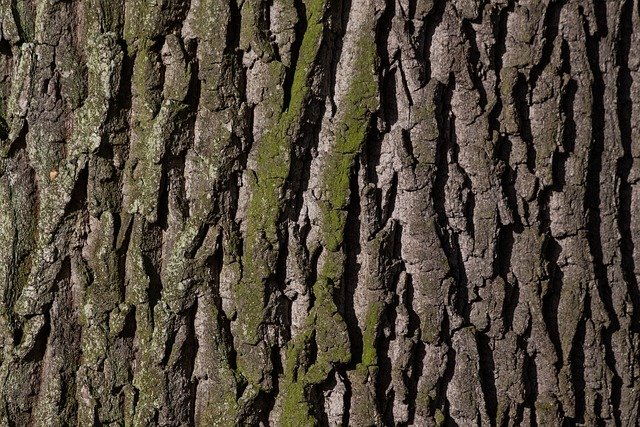
Oak trees, scientists believe, are intolerably inefficient. Not only do they produce far more acorns than they ever root, but they also waste millions of cells by shedding their leaves each fall. What if, instead of rotting on the ground, these cells transformed into millions of wind-dispersed spores, each capable of cloning its source? This would be a superior evolutionary strategy, and apparently, "there is no biological principle… prohibiting… [reproduction] by either spores or seeds." And, unlike acorns, endospores can remain viable for millions of years.
But again, there are serious concerns. Oak trees with endospores are one thing, but what about knotweed with endospores? Unless this particular genetic modification is strictly limited to "useful plants" (and even then), "superweeds could overrun the Earth.".
As always, just because we see a gap in the market, so to speak, doesn't mean we should exploit it. After all, trees would also be more efficient if they evolved to "walk" faster than they currently do, and if they learned to hunt using poisonous gases or thorns. That's just not the world most of us want.
5. Super-nutritious fruits and vegetables

Genetically modifying plants to provide greater nutritional value is nothing new. We already have protein-rich potatoes, corn, and rice; flaxseed high in omega-3 and -6; tomatoes with antioxidants from snapdragons; and lettuce with more absorbable iron. There are also carrots, which increase calcium absorption, and the so-called "golden banana"—an Australian fruit created by crossing a regular banana with an orange variety from Papua New Guinea, rich in provitamin A. However, low provitamin A content is usually due to human intervention. Nutrition is paramount. So we're skeptical.
Scientists hoping to revolutionize our crops by 2028 are pinning their hopes on the ultra-precise gene editing CRISPR-Cas9. The possibilities are many (and silly): beans that taste like chicken nuggets; carrots that taste like potato chips; fries with hamburgers in the middle; and sunflower seeds the size of small eggs, so they can be eaten like apples.
Some less childish ideas include hypoallergenic peanuts and lentils with the same amount of protein as meat. But all of them raise questions about how much control humans should have over nature, especially given the mess we've created ourselves.
4. Polluting poplars

Phytoremediation is a process by which some plants cleanse pollutants—they draw pollutants through their roots, break them down into harmless byproducts, and either use them or release them into the air. It's another way to get plants to work to repair the damage we've caused. But scientists say they're not doing it well enough. They're too slow.
The solution was to genetically modify poplar trees to more efficiently break down trichloroethylene (TCE). TCE is the most common groundwater contaminant, found in the most polluted areas of America. Once promoted by the pharmaceutical industry as an anesthetic, it is now a known carcinogen that persists in the air, water, and soil for long periods wherever it is used. And given its continued use in many household cleaning products, this problem is only getting worse.
Nevertheless, research into genetically modified phytoremediation shows promise. While unmodified poplar trees removed only three percent of TCE from the solution, poplar trees treated with additional enzymes from rabbit liver removed a whopping 91 percent. They also fared better, not wilting as usual but actually becoming more robust. And they can deal not only with TCE but also with a host of other chemicals, including vinyl chloride (used to make plastics) and benzene (an air pollutant derived from petroleum).
3. Grafting banana
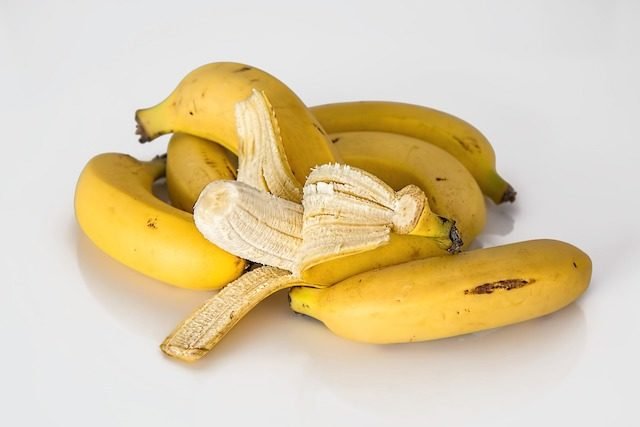
The (artificially inflated) cost of vaccines means that third-world countries often don't receive them, and children continue to die from easily preventable diseases like diarrhea. One solution scientists have come up with is to genetically modify crops to incorporate vaccines into their genomes.
An early proof-of-concept study successfully delivered hepatitis B antigens to rats from specially engineered potatoes. However, since potatoes are not eaten raw, the research shifted to bananas. Not only are they inexpensive, but they have also proven successful in developing countries. According to them, just 10 hectares of vaccine-produced banana plantations would be enough to vaccinate all children under five in Mexico.
However, properly administering the banana vaccine isn't as simple as peeling and eating it. The plan is to puree the fruit and bottle it (10 doses per bottle) to ensure each patient receives the correct dose. Scientists have experimented with other crops, including lettuce, carrots, and tobacco.
2. DARPA's Intelligent Trees

In 2017, the Defense Advanced Research Projects Agency (DARPA) announced a call for proposals for its Advanced Plant Technologies (APT) program. They are particularly interested in genetically modifying plants to "gather information," such as about environmental pathogens and radiation. Upon detecting the presence of their intended target, these "sentinel plants" would "communicate" through "subtle response mechanisms," such as subtle changes in leaf color.
Unlike complex equipment, plants offer stealth, ease of distribution, and independence from energy. And the concept has already been proven. In 2011, researchers successfully developed a TNT-detecting plant, whose leaves bleach in the presence (in the soil or air) of TNT molecules. And all plants naturally respond to their environment through input/output dynamics comparable to those of computers. Like bomb-sniffing dogs, this is simply a case of training natural mechanisms to better serve the military.
However, DARPA wants to go beyond simply turning biocomputing on and off, toward more sophisticated detection and reliable, detailed reporting. They've even expressed interest in enabling engineering installations to detect electromagnetic signals.
1. Dyson tree
You've probably heard of a Dyson sphere. Proposed by physicist Freeman Dyson, it's a hypothetical structure built to encircle a star and capture its energy. Less well known is the Dyson tree. Genetically engineered for space, with a thick glassy bark that lets in sunlight and prevents heat from escaping, this hypothetical plant would be seeded on a comet and create its own atmosphere. Theoretically, it could support an entire ecosystem—at least for a time—with the comet's interior hollowed out for inhabitants, and the comet's ice and carbon providing everything the "leafy spaceship" needs.
If this sounds like science fiction, that's because it is. But it's not beyond the realm of possibility. Plants like the voodoo lily and the carrion flower generate their own heat; in fact, skunk cabbage generates up to 60 degrees Fahrenheit, enough to melt the frozen ground around it.
There's also no shortage of comets. The Kuiper Belt beyond Neptune, home to trillions of comets, could potentially be seeded with enough Dyson trees to become a cosmic "city-state archipelago." A Dyson tree comet the size of Manhattan could support millions of people alone. And with little gravity, not only would it be easy to hop between comets, but buildings on each one could be taller than those on Earth.