

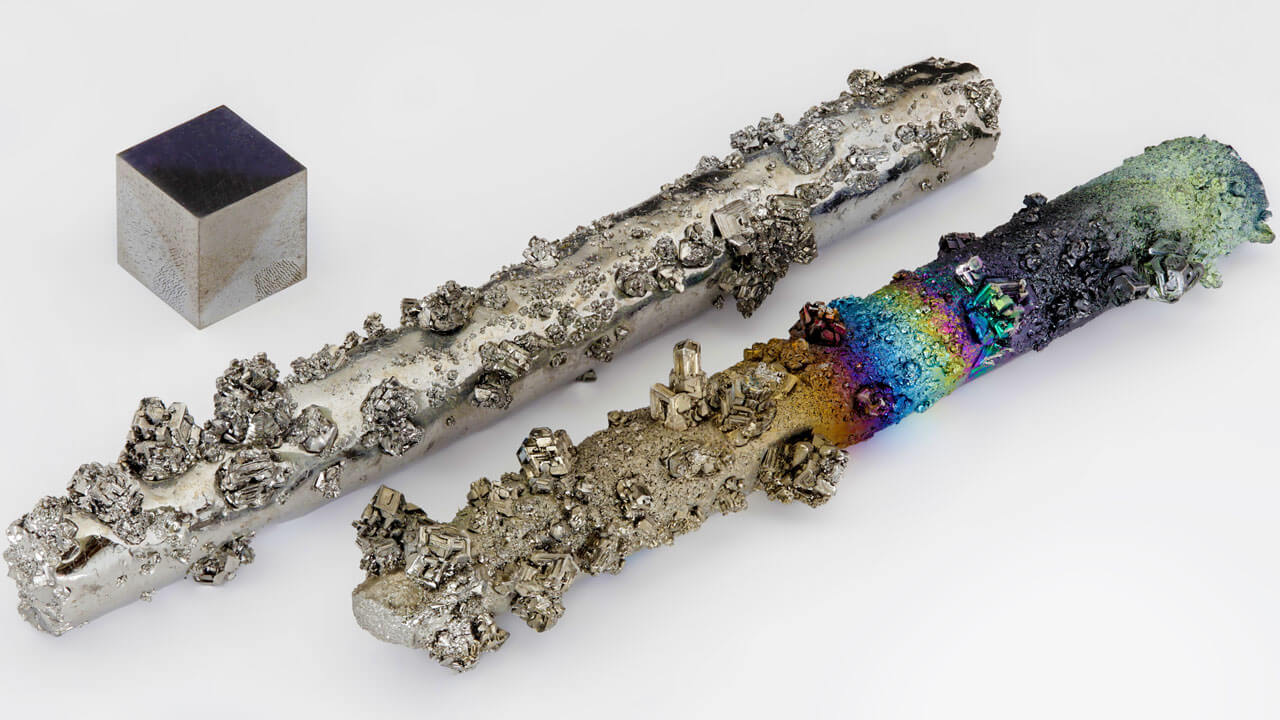
Can you imagine what would have happened if our ancestors hadn't discovered important metals like silver, gold, copper, and iron? We'd probably still be living in huts, using stone as our primary tool. It was the strength of metal that played a vital role in shaping our past and now serves as the foundation on which we build our future.
If you're wondering which metals are the hardest and most durable in the world, we'll answer that question using various measures of relative material hardness (the Mohs scale, the Brinell hardness test), as well as parameters such as:
- Young's modulus: takes into account the elasticity of an element under tension, that is, the ability of an object to resist elastic deformation.
- Yield strength: defines the maximum tensile strength of a material after which it begins to exhibit plastic behavior.
- Tensile strength: the ultimate mechanical stress beyond which a material begins to fail.
10. Tantalum
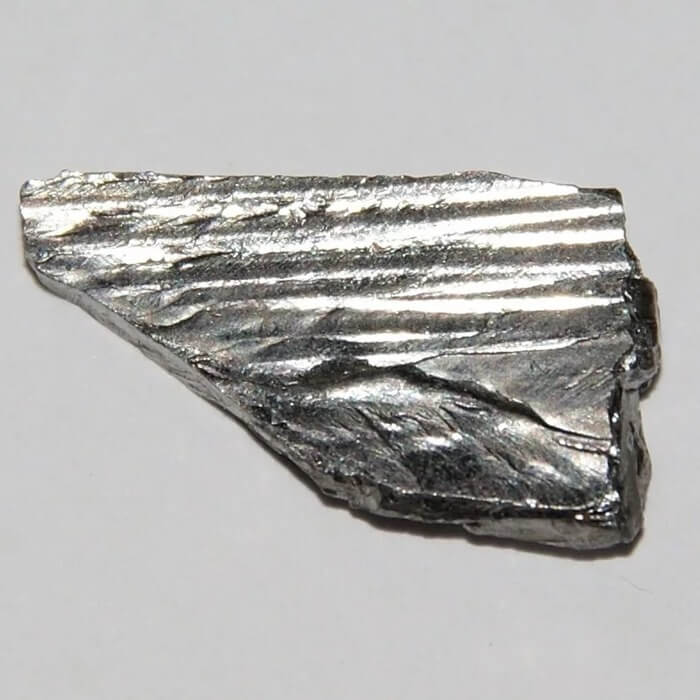
This metal has three advantages: it's strong, dense, and highly resistant to corrosion. Furthermore, this element belongs to the group of refractory metals, like tungsten. To melt tantalum, you'd need to heat it to 3,017°C.
Tantalum is primarily used in the electronics sector to produce long-lasting, heavy-duty capacitors for phones, home computers, cameras, and even electronic devices in cars.
9. Beryllium
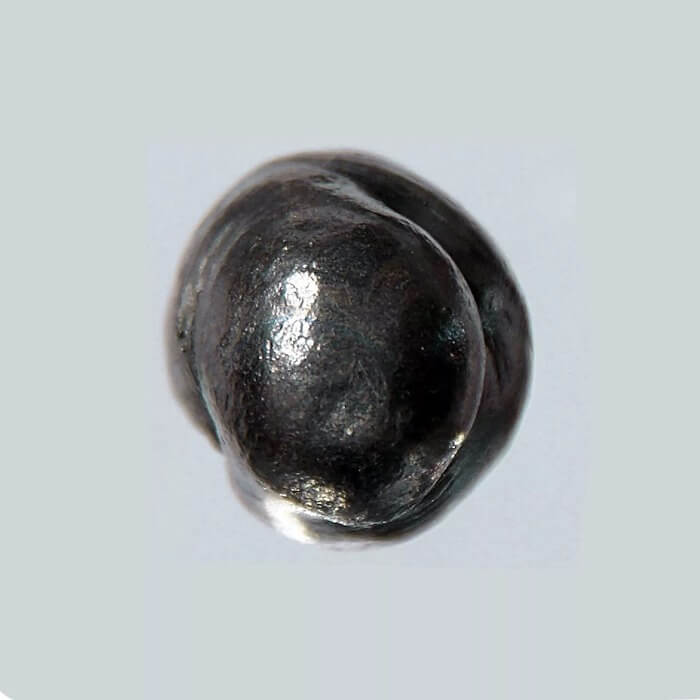
It's best not to approach this metallic beauty without protective equipment. Beryllium is highly toxic and has carcinogenic and allergic effects. Inhaling air containing beryllium dust or vapor can cause beryllium disease, which affects the lungs.
However, beryllium is not only harmful, but also beneficial. For example, adding just 0.5 % of beryllium to steel produces springs that remain elastic even when heated to red-hot temperatures. They can withstand billions of load cycles.
Beryllium is used in the aerospace industry to create heat shields and guidance systems, as well as fireproof materials. Even the vacuum tube of the Large Hadron Collider is made of beryllium.
8. Uranus
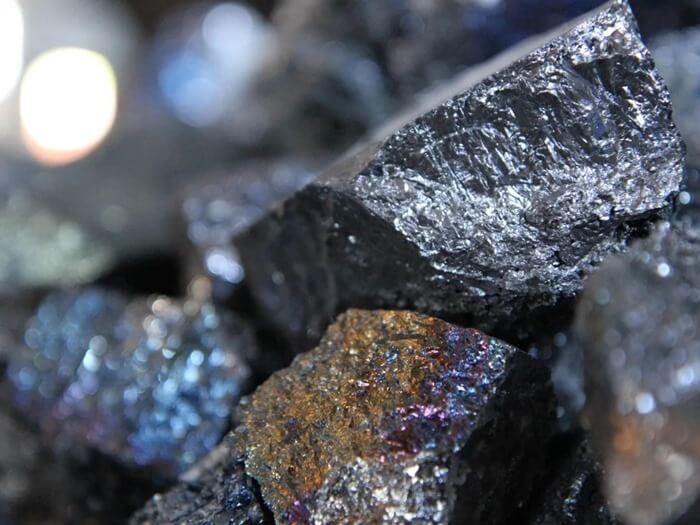
This naturally occurring radioactive substance is very widespread in the earth's crust, but is concentrated in certain hard rock formations.
One of the hardest metals in the world has two commercially significant uses: nuclear weapons and nuclear reactors. Thus, the end products of the uranium industry are bombs and radioactive waste.
7. Iron and steel
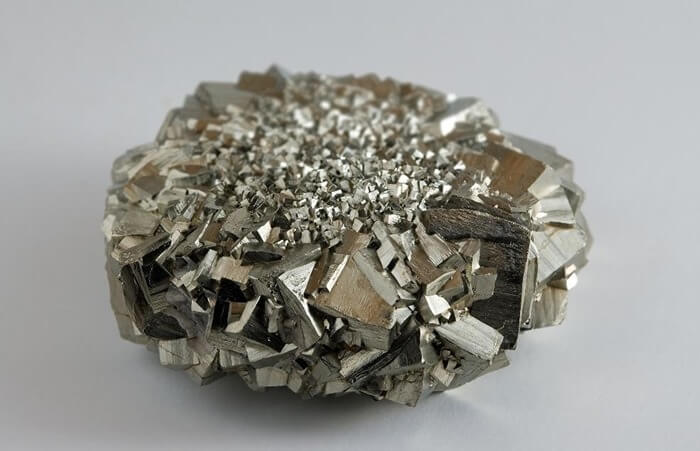
As a pure substance, iron is not as hard as other elements in the ranking. However, due to its minimal extraction costs, it is often combined with other elements to produce steel.
Steel is a very strong alloy of iron and other elements, such as carbon. It's the most commonly used material in construction, engineering, and other industries. Even if you don't work in these industries, you still use steel every time you cut food with a knife (unless it's ceramic, of course).
6. Titan
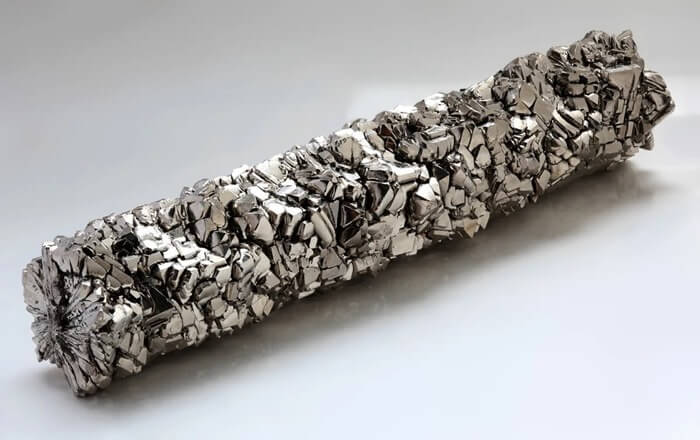
Titanium is practically synonymous with strength. It possesses an impressive specific strength (30-35 km), almost twice that of alloy steels.
As a refractory metal, titanium has high resistance to heat and abrasion, making it one of the most popular alloys. For example, it can be alloyed with iron and carbon.
If you need a very rigid yet lightweight structure, there's no better metal than titanium. This makes it the number one choice for creating various components in aircraft, rocket, and shipbuilding.
5. Rhenium
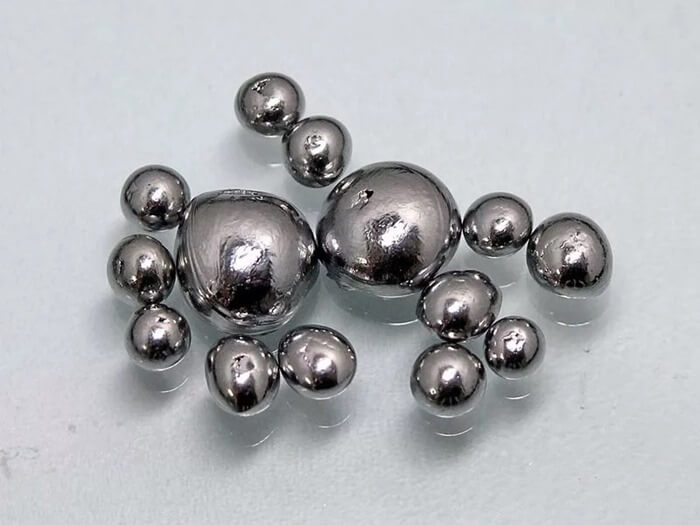
This is a very rare and expensive metal, which, although found in nature in its pure form, is usually found as an «additive» to molybdenite.
If Iron Man's suit were made of rhenium, it could withstand temperatures of 2000°C without losing its strength. We won't even mention what would happen to Iron Man inside the suit after such a "fire show.".
Russia has the third-largest natural rhenium reserves in the world. This metal is used in the petrochemical industry, electronics and electrical engineering, and in aircraft and rocket engines.
4. Chrome
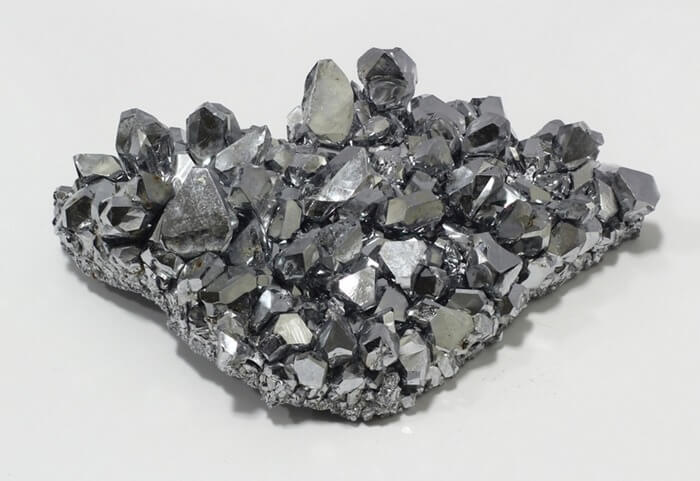
On the Mohs scale, which measures the scratch resistance of chemical elements, chromium ranks in the top five, behind only boron, diamond, and tungsten.
Chromium is valued for its high corrosion resistance and hardness. It's easier to handle than platinum group metals and is more abundant, making it a popular element used in alloys such as stainless steel.
Another of the strongest metals on Earth is used in dietary supplements. Of course, you won't be ingesting pure chromium, but rather a food-grade compound of it with other substances (for example, chromium picolinate).
3. Iridium
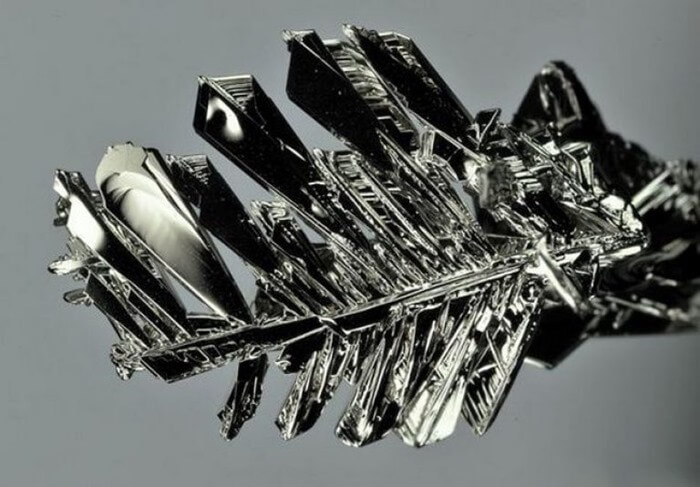
Like its "brother" osmium, iridium is a member of the platinum group of metals and resembles platinum in appearance. It is very hard and refractory. To melt iridium, you would need to build a fire over 2000°C.
Iridium is considered one of the heaviest metals on Earth, as well as one of the most corrosion-resistant elements.
2. Osmium
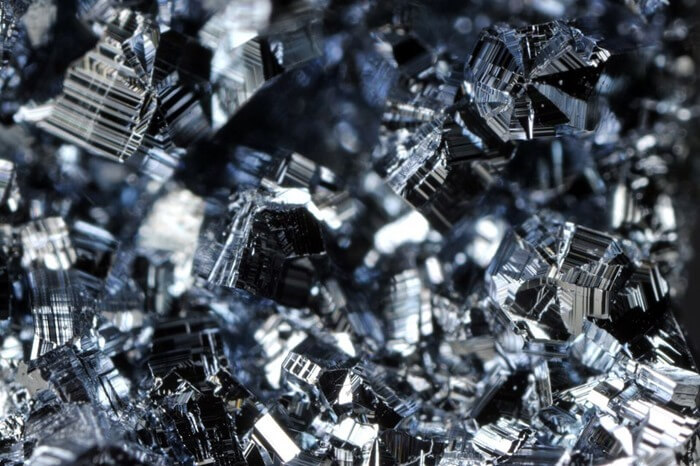
This "tough nut" of the metal world belongs to the platinum group and has a high density. In fact, it is the densest naturally occurring element on Earth (22.61 g/cm³). For this same reason, osmium doesn't melt until 3033°C.
When alloyed with other platinum group metals (such as iridium, platinum, and palladium), it can be used in many different applications where hardness and durability are needed, such as nuclear waste storage tanks.
1. Tungsten
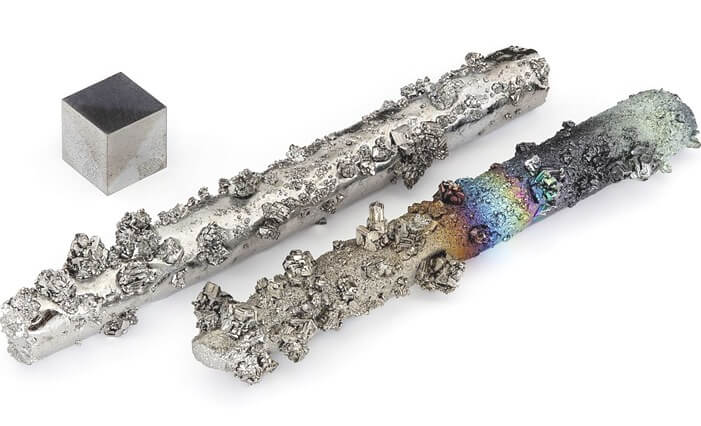
The strongest metal found in nature, this rare chemical element is also the most refractory of all metals (3422°C).
It was first discovered in the form of acid (tungsten trioxide) in 1781 by the Swedish chemist Carl Scheele. Further research led two Spanish scientists, Juan José and Fausto d'Elhuyar, to discover the acid in the mineral wolframite, from which they subsequently isolated tungsten using charcoal.
In addition to its widespread use in incandescent lamps, tungsten's ability to withstand extreme heat makes it one of the most attractive elements for the weapons industry. During World War II, this metal played a vital role in fostering economic and political relations between European countries.
Tungsten is also used to make hard alloys and, in the aerospace industry, to make rocket nozzles.
Table of tensile strength of metals
| Metal | Designation | Tensile strength, MPa |
|---|---|---|
| Lead | Pb | 18 |
| Tin | Sn | 20 |
| Cadmium | CD | 62 |
| Aluminum | Al | 80 |
| Beryllium | Be | 140 |
| Magnesium | Mg | 170 |
| Copper | Cu | 220 |
| Cobalt | Co | 240 |
| Iron | Fe | 250 |
| Niobium | Nb | 340 |
| Nickel | Ni | 400 |
| Titanium | Ti | 600 |
| Molybdenum | Mo | 700 |
| Zirconium | Zr | 950 |
| Tungsten | W | 1200 |
Alloys versus metals
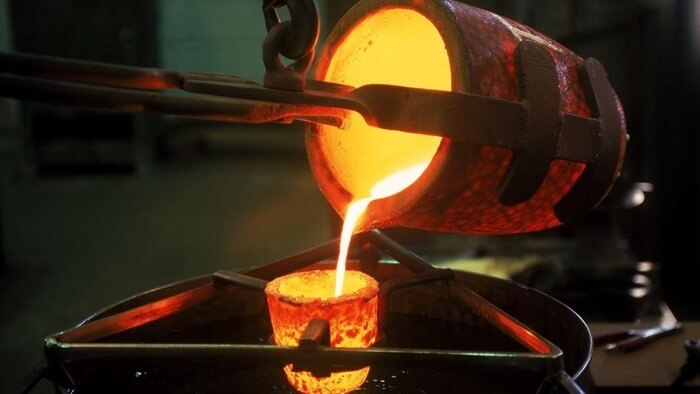
Alloys are combinations of metals, and the primary reason for their creation is to produce a stronger material. The most important alloy is steel, which is a combination of iron and carbon.
The higher the strength of the alloy, the better. And ordinary steel isn't the "champion" here. Vanadium-based alloys are particularly promising for metallurgists: several companies produce versions with tensile strengths up to 5205 MPa.
The strongest and hardest biocompatible material at the moment is the titanium-gold alloy β-Ti3Au.