

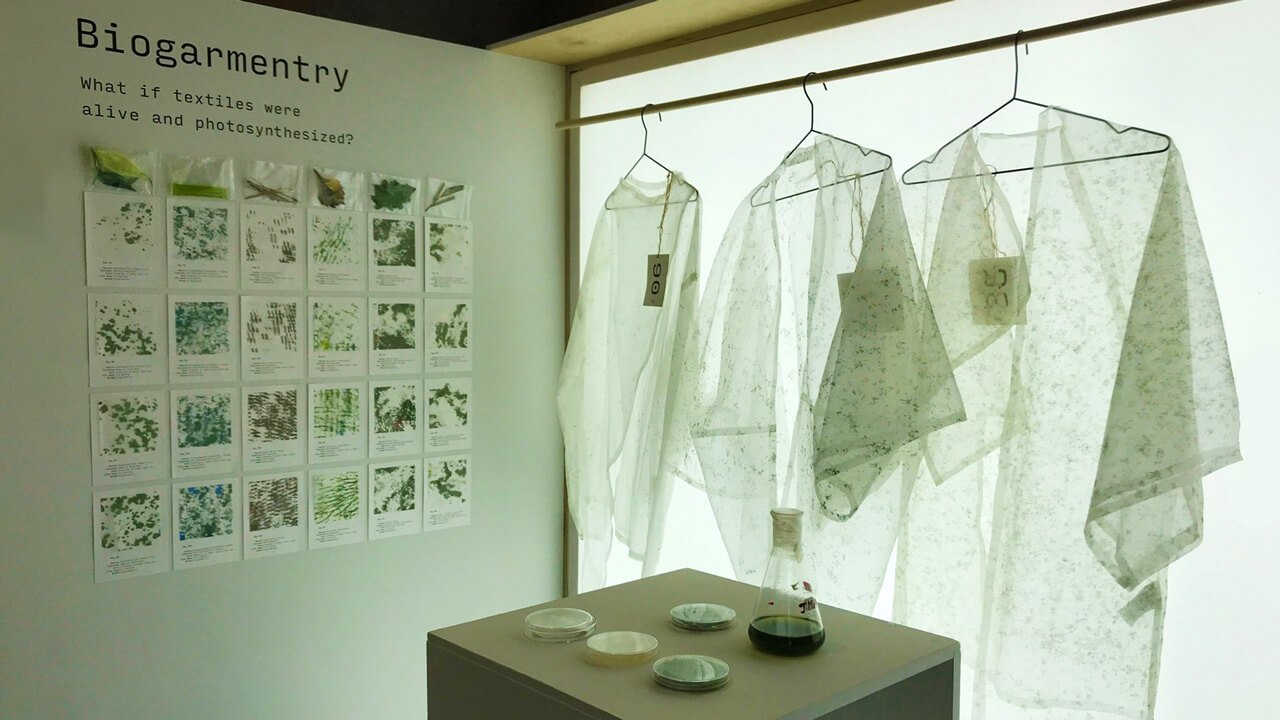
Whether you buy new clothes online or at the mall, they are made from the same materials: polyester, cotton, nylon, wool, leather…
If you're looking for eco-friendly alternatives, you can buy clothes made from linen, organic cotton, or recycled polyester.
But how many times have you found a piece of clothing made from pineapples, cacti, or apples? What about fabrics made from mushrooms or seaweed? I present to you the top 10 most innovative materials for clothing and accessories.
10. Apple skin

First on the list is a bio-based material made from by-products of apple juice production.
When apples are pressed to extract juice, particles of pulp and peel remain. These byproducts contain a lot of cellulose, which is excellent for the production of new fabrics.
Apple pulp is ground into a powder and then processed, mixed with a synthetic material—polyurethane. The end result is what the material's creator, Swiss Hannes Parf, calls Appleskin.
Apple leather is soft and durable and is used to make clothing, upholstery, and small accessories such as wallets or bags.
Allégorie, Oliver Co., Veerah, and Samara are a few brands that use apple leather to create beautiful and sustainable products.
9. Ephea mushroom skin (mushroom mycelium)
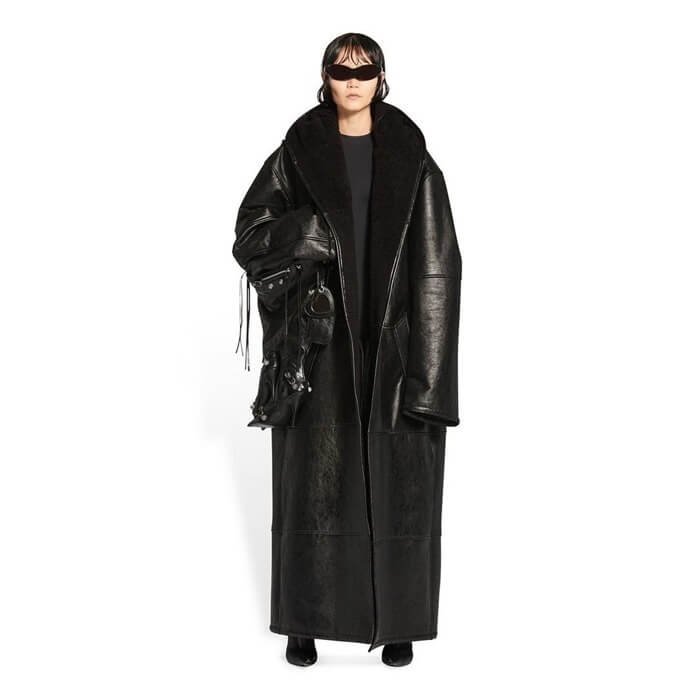
Balenciaga recently introduced a coat made from Ephea, a non-toxic and eco-friendly alternative to leather and synthetics.
This material, produced by Sqim, is made from mycelium, the threadlike mass that makes up the vegetative body of mushrooms. Mycelium digests part of the substrate on which it grows and binds the substrate particles into a mass suitable for forming the final material.
8. Vegea
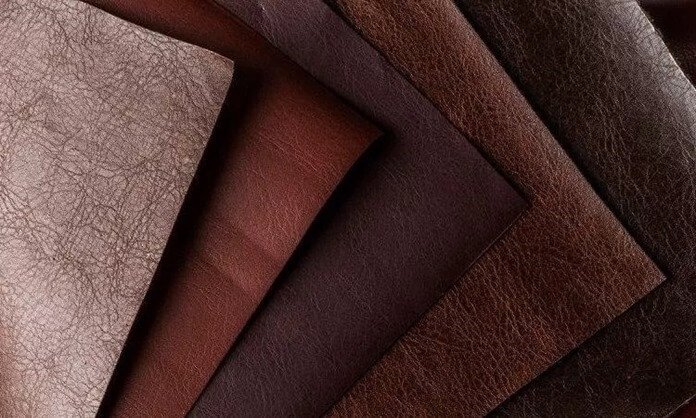
Vegea, also known as wine leather, is a fabric made from the leftover skins of grapes, a by-product of winemaking and the production of vegetable oils.
It's estimated that for every 10 liters of wine produced, 2.5 liters of waste is generated. Fortunately, this waste can be recycled into one square meter of wine skins!
To produce Vegea, grape pomace, which consists of grape skins, stems, and seeds, is first dried. It is then mixed with vegetable oil and a water-based polyurethane.
The mixture creates a bio-based material. The production process eliminates the use of toxic chemicals, hazardous solvents, and heavy metals.
Some well-known brands that already use Vegea include Ganni, James & Co and Pangaia.
7. Pinatex
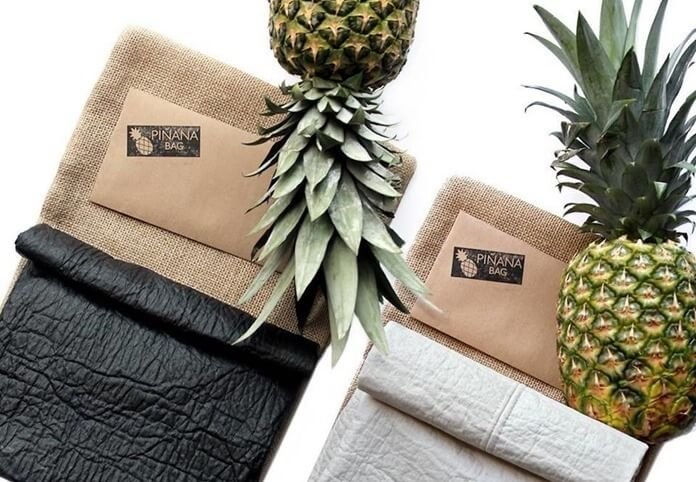
Pineapple leather, or pinatex, is a textile made from pineapple leaf fibers. These fibers are extracted using special machines, washed, dried, and cleaned of impurities.
Pineapple leaf fiber, similar to fluff, is mixed with corn-based polylactic acid and turned into a non-woven mesh called pinafelt. It is dyed with pigments and coated with polyurethane resin, making the material stronger and more waterproof.
Pinatex is already used by over 1,000 foreign brands, including Svala and No Saints.
6. Orange fabric

Did you know that 110 to 120 million tons of citrus waste are generated worldwide each year? Italian company Orange Fiber decided to do something about it and created a soft, lightweight fabric from orange juice byproducts.
The company uses hundreds of thousands of tons of orange waste to produce orange fiber. It extracts the cellulose from the peel using a patented process and converts it into fiber, which is then spun into yarn.
It is then woven into a soft, lightweight fabric similar to silk. It can be shiny or opaque, depending on the end use.
Italian luxury brand Salvatore Ferragamo has collaborated with Orange Fiber to release a capsule collection of women's clothing made from orange fabric.
5. Cactus leather
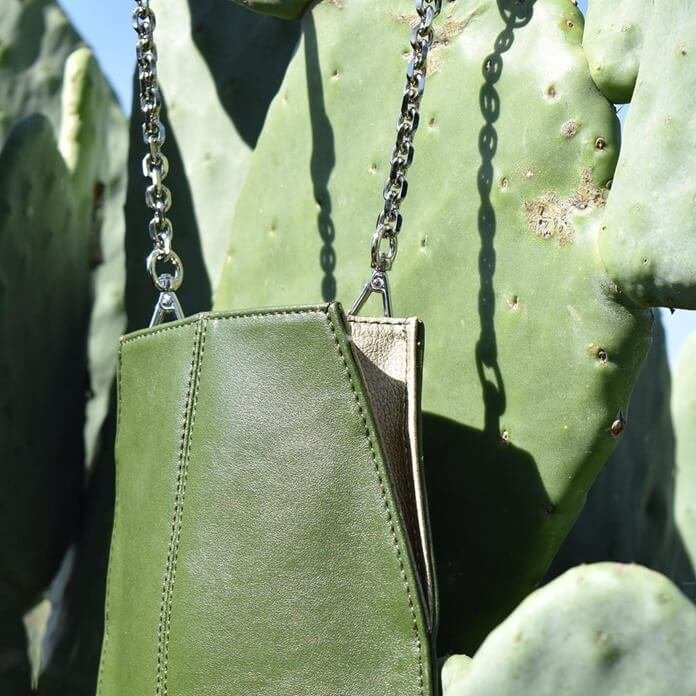
Cacti are amazing plants! They naturally restore soil, help prevent erosion and desertification, and can absorb up to 30% of their body weight in carbon dioxide. They can even be made into fabric!
Organic cactus leather (Desserto), developed in Mexico, is made from the Nopal (or Opuntia) cactus. Only mature cactus leaves are harvested, meaning no cacti are harmed in the process. Cacti also require very little water to grow, and there is no need for artificial irrigation or the addition of pesticides to the soil.
After the leaves are cut, they are ground and dried for several days. They are then mixed with non-toxic chemicals and finally attached to a substrate. The exact process is kept secret, but it is known that the resulting cactus leaf manipulation produces leather that lasts at least 10 years.
More and more brands are creating products from cactus leather, including Blackwood, Allégorie, Miomojo and KEVA.
4. Econyl
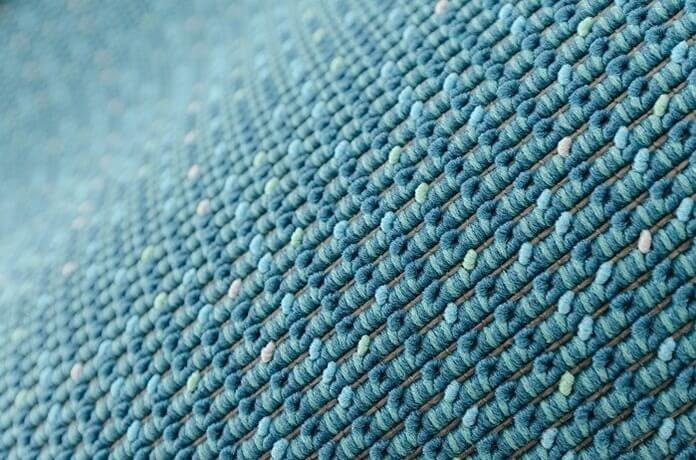
Fishing nets have been made from nylon for over 50 years and are a major source of ocean pollution.
Fortunately, the brand Aquafil has found a way to recycle and reuse discarded fishing nets. They created econyl (eco-nylon), a fabric made from recycled nylon yarn from fishing nets, textile scraps, and other synthetic waste.
Through a refining process, nylon is restored to its original purity. It is then processed into yarn. The final material, Econyl, can be recycled indefinitely without loss of quality.
Patagonia, Stella McCartney, Girlfriend Collective and Wear Your Waste offer products made from Econyl.
3. Textiles based on algae
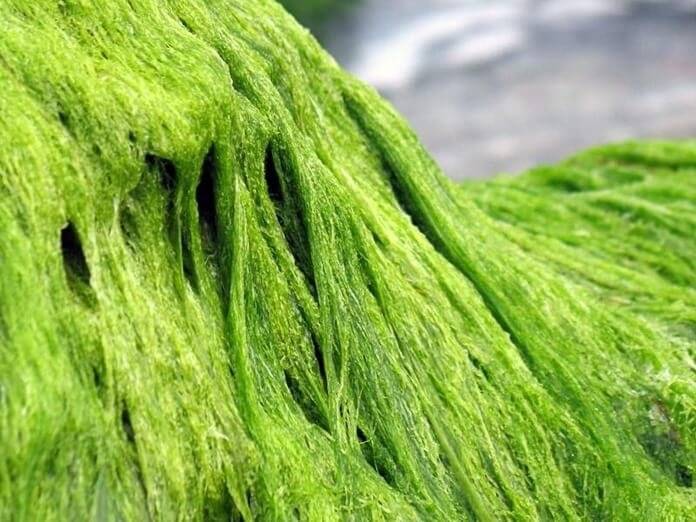
This unusual textile is being developed by the Israeli startup Algaeing. It is collaborating with another company, Algatech, which grows algae in vertical stacks using solar energy and seawater.
The algae are then used to produce a liquid that can be used as a textile dye. By adding cellulose to the liquid, fibers can be created for the textile industry.
The production process is energy efficient and does not contain hazardous chemicals.
Well-known brands that use algae in their products include Dr. Scholl's Shoes and Pangaia.
2. Lyocell
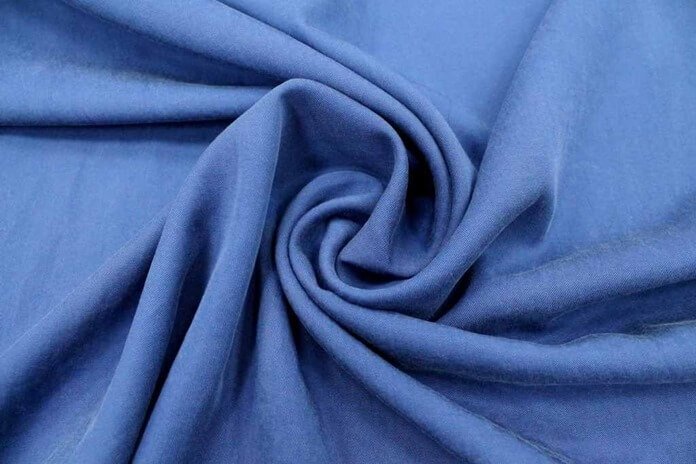
This type of rayon has been gaining popularity in recent years, as more and more brands are producing clothing from it. There are different types of lyocell, the most well-known of which is Tencel.
Tencel is made from eucalyptus fiber that is crushed, mixed with a solvent, and then dried. The mixture is forced through small holes to create threads, then chemically treated, and then spun into yarn.
This fabric is breathable, wicks moisture well, and is as durable as cotton. It's used to make bedding, workwear, and everyday clothing. Tencel has been adopted by companies such as TAMGA Designs, Saint Basics, Amour Vert, and Eileen Fisher.
1. Lotus fabric

This unusual, innovative fabric resembles a blend of silk and linen. It resists wrinkling, making it ideal for clothing and accessories. It's soft to the touch, stain-resistant, and 100% waterproof.
The lotus fabric production process is based on ancient technologies. It is very labor-intensive, as it is done by hand.
After the lotus flower stems are harvested, workers carefully extract the microfibers from the stems by hand. The fibers are then dried and carefully spun into thread to be used for weaving clothing.
You can find beautiful lotus flower clothing and accessories in the Jungley and Lotus Paradis collections.