When it comes to human lifespan, a lifespan of 75 to 100 years is generally considered adequate. However, there are creatures in nature whose lifespans literally stretch the boundaries of time! Some species, especially those living in the deep sea, can survive for hundreds and even thousands of years. The secret to their incredible lifespan lies in their genetic makeup, adaptability, and the unique nature of their habitat. So, which animals are the longest-living species in the world? Here are the longest-living animals in detail...
We begin our list of the longest-living animals. The bowhead whale is a species of whale that can live for 200 years or more. The secret to the long life of this giant whale, which inhabits the cold waters of the Arctic Ocean, lies in the CDKN2C gene. This specific gene causes cells to divide slowly and repair damaged cells. This provides reliable protection against cell damage, such as cancer.
Cold waters allow these whales to use energy more efficiently by slowing their metabolism. At the same time, bowhead whales grow and mature more slowly than other species, allowing them to live longer.
2. Rough-eyed grouper
Gobies, found in the waters of the North Pacific Ocean from California to Japan, are among the longest-lived fish species after sharks. In particular, grouper can live up to 205 years! Scientists have discovered that these fish have genes that ensure DNA repair and regulate insulin balance. Cold, deep waters allow these long-lived species to survive longer by slowing their metabolism.
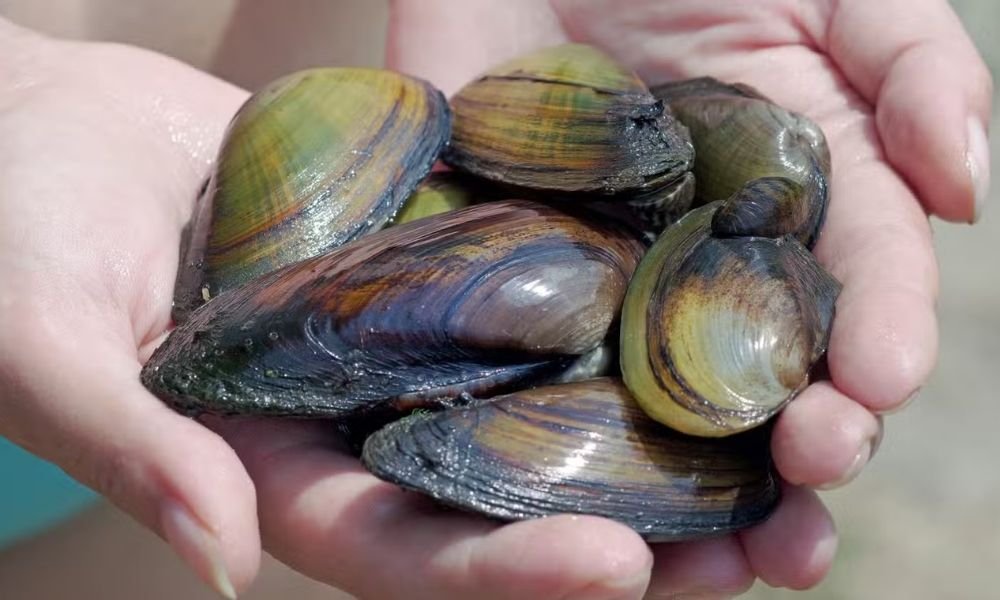
3. Freshwater pearl mussel
Freshwater mussels typically live 60–70 years, but under favorable conditions can live up to 250 years. Their sedentary lifestyle and very slow metabolism allow them to expend minimal energy.
Moreover, thanks to their hard shell, they have virtually no predators! However, due to their low reproductive rate, only a few mussels survive to adulthood. During their life cycle, their larvae must attach to specific fish species to survive.
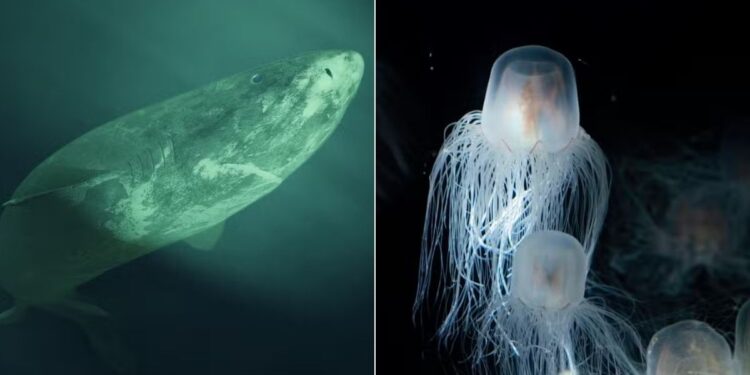
4. Greenland shark
Greenland sharks, which inhabit the deep waters of the Atlantic and Arctic Oceans, are the longest-living vertebrates in nature, with a lifespan of at least 272 years. It has even been estimated that some individuals live for 500 years!
The secret to these sharks' long lifespan lies in their slow metabolism and low energy requirements, which stems from their maturation in cold waters. Interestingly, Greenland sharks only reach sexual maturity at 100 years of age!
Some live less than 24 hours! Short-lived animals complete their life cycle in a few days.
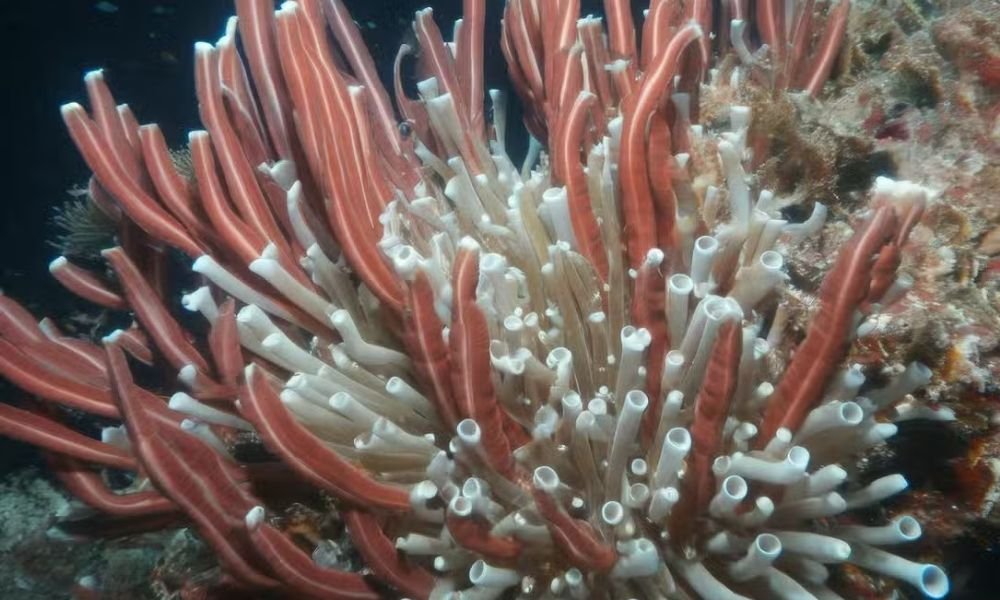
5. Tube worm
Tube worms inhabit the farthest reaches of the oceans; fascinating creatures that inhabit hydrothermal vents and cold seeps. Because these unique environments provide stable and constant conditions, some tube worms can live for over 300 years.
One of the main secrets to their long life is that they have virtually no predators and rely on chemical reactions for sustenance. Bacteria within the worm sustain them by converting hydrogen sulfide into energy. However, if a sudden change in the environment occurs (for example, a chimney collapse), these creatures can perish.
6. Quahog Clam
Quahog clams are a hardy marine species native to the cool waters of the Atlantic Ocean. They can be found across a vast area, from the coast of Nova Scotia, Canada, to Florida and even the Gulf of Mexico. However, these mussels prefer colder waters, particularly off the coast of New England and further north.
Quahogs have an incredibly long lifespan. The oldest known mussel, which can live for over 200 years, was found off the coast of Iceland in 2006. This 507-year-old mussel was named «Ming» because it was believed to have been born during the Ming Dynasty.
How can you determine the age of a mussel? Like trees, you can determine its age by counting the growth rings on its bark. Why quahog clams live so long remains a mystery. However, experts believe these creatures have developed protective mechanisms that slow aging. Their slow metabolism and slow growth also contribute to their long lifespan.
Quahog clams are not harvested commercially until they are 20 years old, and because they are used in New England and Manhattan-style clam chowders, they often spoil before reaching their potential age limit.
7. Antipatria
We often think of corals as plants, but they are actually living organisms belonging to the animal kingdom. Antipatharia, on the other hand, is not a single living thing, but rather consists of groups of tiny organisms working together. Although these fascinating creatures are widespread throughout the world's oceans, their habitats are typically found in deeper regions of the ocean.
Antipataria's age is determined by counting the rings it forms as it grows, like a large tree. Black corals can live for hundreds, and in some cases even thousands, of years, with some specimens reaching 4,000 years old!
The main reason for such a long lifespan is that they live in deep waters, protecting themselves from human influence and the harmful effects of other organisms. In the deep ocean, environmental conditions are more stable, which prolongs the lifespan of corals. Furthermore, antipatharians grow slowly and feed by filtering nutrients from the water.
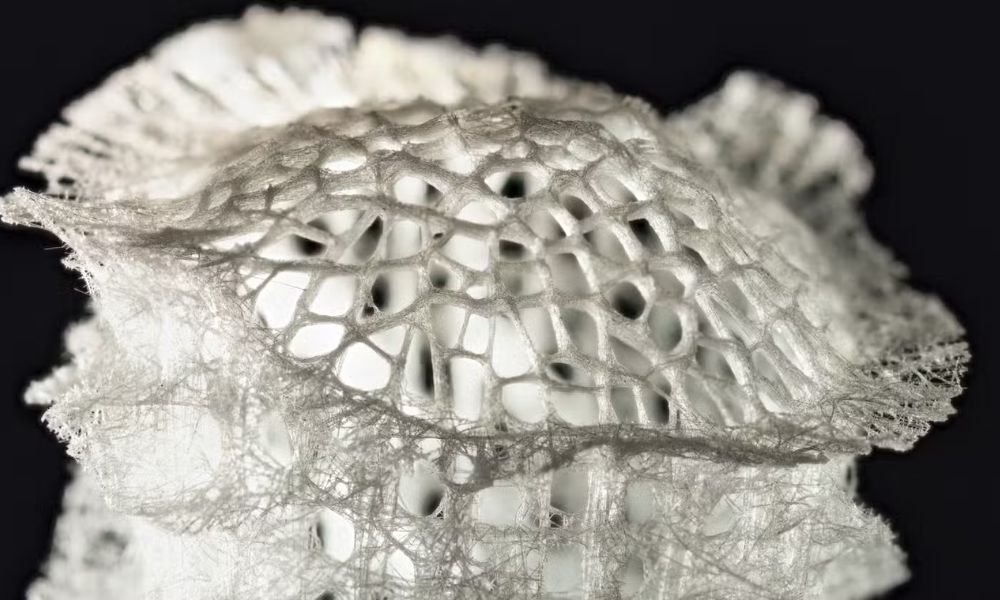
8. Glass sponge
Glass sponges are organisms that are not considered alive. They resemble corals but belong to the animal kingdom. These sponges, which live in the depths of the Pacific and Antarctic oceans, get their name from their glassy skeletons. Their skeletons are composed of a substance called silica, giving them a glassy appearance.
Glass sponges can live for up to 15,000 years. This incredible feat stems from their habitation in deep, cold waters. Their depth provides them with protection from predators and environmental factors. They filter feed, and this sedentary lifestyle prolongs their lifespan.
Sea stars are one of the main predators of glass sponges. However, some species of glass sponges build special traps to protect themselves from predators. These traps catch small crustaceans and provide cleanliness and food for the sponge.
Desert Animals: 10 Animals That Survived the Scorching Heat
9. Hydra
Hydras are tiny animals that inhabit freshwater bodies. Due to their size, they can only be seen under a microscope. Although the lifespan of these creatures, common in lakes and rivers across the Americas, Asia, and Europe, is a subject of scientific debate, most researchers describe them as «indefinite.».
This characteristic of hydras is due to their ability to constantly renew themselves. The abundant supply of stem cells in their bodies allows them to produce new cells to replace dead or damaged ones. Thus, the aging process is virtually eliminated.
But nothing in nature is perfect. Hydras can die from injury, disease, and predators if conditions are less than ideal.
10. Immortal jellyfish
We conclude our list of the longest-living animals with a rather intriguing creature. The immortal jellyfish is one of the most fascinating creatures in the oceans and has attracted the attention of the scientific world. This tiny jellyfish, just 4.5 millimeters wide, can reverse its life cycle when aging or injured.
How? This creature begins life anew, returning to its polyp (juvenile) form. When polyps reproduce, they create genetically identical individuals. This process is called «transdifferentiation» and is an important topic for stem cell research.
However, it's quite difficult to spot this tiny miracle; they're too small to be seen with the naked eye! Despite this, the biological secrets of immortal jellyfish give the scientific community great hope for solving the problem of aging.
Poems for first-grade children: about school, autumn, animals, and nature Welcome to the world of children's poems! Here you'll find short and funny poems that will help your child develop a love of reading and develop their imagination. These poems are written especially for the littlest ones, for...
10 Amazing Animal Facts That Will Blow Your Mind An integral part of our lives are not only our four-legged friends, but sometimes also winged and crawling ones. They are part of nature, which somehow has to coexist with us. We live with them too, but we...
Poems about ants: about nature, life, and work Ants are amazing creatures, whose lives are characterized by industriousness and organization. These tiny insects create complex social structures, demonstrating an astonishing capacity for cooperation and self-sacrifice for the common good. Observing their...
Poems about a good day: about the joy of life and spring mood A good day isn't always sunny and windless. It's more a state of mind, a moment when even the dullest of days brings a spark of joy. When a cup of coffee seems especially delicious, and a chance encounter...
Poems about a cow: about love, children, and rural life The cow is not just a farm animal, but also a long-standing companion of humans, a symbol of fertility and tranquility. Poems about the cow often feature images of rural idyll, maternal care, and unhurried...
Poems about Rostov: about the Don expanses and city life Rostov-on-Don is a city with a rich history and unique character. Situated in southern Russia, it combines Cossack spirit, merchant culture, and a modern pace of life. In these poems, we've attempted to...
Poems about a point: philosophical reflections on the meaning of life The period is the beginning and the end, the smallest unit of writing and a symbol of infinity. It can stand alone, like a planet in space, or be part of a complex system, like a star in a constellation. In it...
Poems about flies: lyrics about the summer insect and life The fly is an often underestimated creature, yet it is an integral part of our ecosystem. These tiny insects, despite their pesky appearance, play a vital role in plant pollination...
Poems about the meaning of life that touch the soul The meaning of life is an eternal question that concerns every thinking person. What is truly important? Why do we live? What is our purpose? Poems about the meaning of life that touch the soul help...
Poems about pets: about loyalty, friendship, and love for pets Pets are more than just pets; they're family members who give us unconditional love and joy. They fill our homes with warmth and our hearts with tenderness. In this collection of poems, we...