


During the winter months, we can easily warm ourselves up by putting on a sweater or turning up the heat. However, in nature, creatures, especially wild animals, employ far more complex and interesting methods of surviving the cold. The winter months are a true challenge for many animals. However, nature ensures that each species survives this challenging season using its own strategies. From honeybees to squirrels, from birds to other creatures, each has developed impressive methods for coping with the cold days. Here are the animal tactics that help them survive the winter…
1. Spiders

The methods spiders use to protect themselves from the cold reveal the intelligence of these creatures. Many species, such as wolf spiders native to North America, overwinter under leaf litter, in the soil, or among logs. Behavioral ecologist George Wetz of the University of Cincinnati explains how this is possible:
«Temperatures just a few centimeters above frozen snow or ice can often vary surprisingly. Many spiders and insects remain active in this «subnivean» environment, where temperatures are a few degrees above freezing.».
Spiders are cold-weather animals and cannot generate their own heat. Therefore, when cold weather sets in, their metabolism slows. But that doesn't stop them! Especially on warm winter days, you may witness sudden activity from spiders and insects.
Some web-building spiders strengthen their egg sacs with a special insulation technique to protect their offspring during the winter. For example, black-and-yellow garden spiders lay their eggs in the fall. The eggs are protected throughout the cold winter, and when spring arrives, tiny spiderlings emerge en masse from their egg sacs.
Furthermore, some spiders have developed a secret «antifreeze» system. Wetz notes that spiders produce special chemicals that prevent ice crystals from forming on their bodies. This is an effective method for preventing them from freezing.
Stronger than Steel! 8 Things You'll Be Surprised to Know About Spider Webs
2. Turtles

Now comes an interesting point about animal winter survival strategies. The methods turtles use to survive the winter are no less intriguing. These creatures are typically sedentary, and with the arrival of winter, they cease all activity. Some species, such as eastern box turtles, burrow underground and hibernate in their shells, using up their fat reserves. This state is called brumation.
But painted turtles spend their winters in a much more interesting way: at the bottom of bodies of water, underwater! Surface ice has no effect on them, as their body temperature adapts to the surrounding water temperature. Although turtles normally breathe air, they meet their oxygen needs in winter in a completely different way. Biologist Jackie Litsgus of Laurentian University in Ontario explains the secret to this situation as follows:
«Ectotherms require less oxygen in cold conditions. Therefore, the oxygen they can obtain in water is usually sufficient for survival.». Turtles exchange gases through specialized vessels in the skin, oral tissues, and even a multifunctional organ called the cloaca. In situations where oxygen levels are extremely low, turtles reduce their metabolism to a minimum. Although lactic acid accumulates during this process, turtles can neutralize it by extracting calcium from their shells.
3. Honey bees
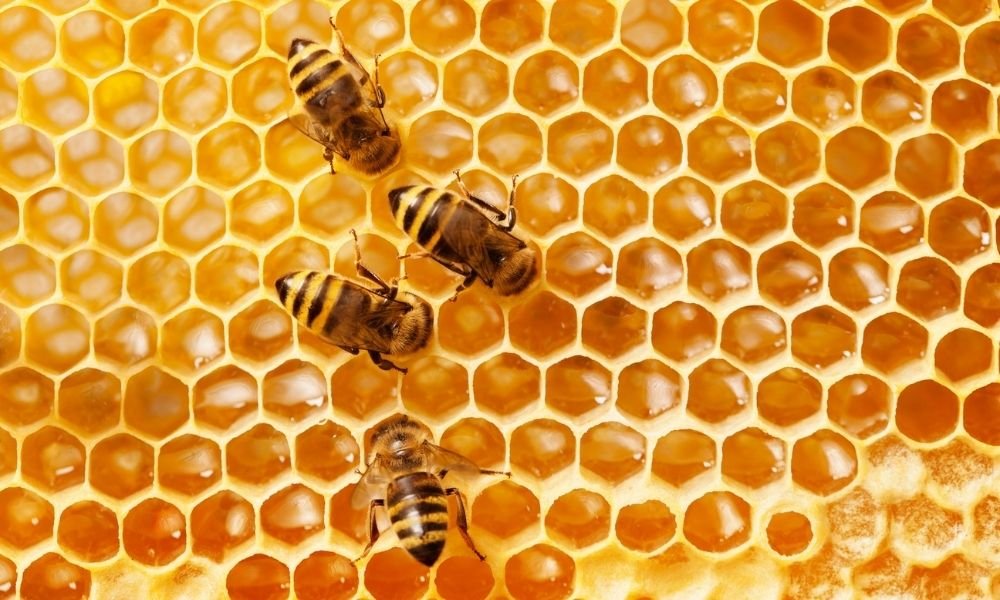
When temperatures drop, European honeybees return to their hives. However, this doesn't make them inactive; on the contrary, they remain active throughout the winter. «Honeybees are the only insects that survive the winter while remaining warm,» says Thomas Seeley, a biologist at Cornell University.
Inside the hive, worker bees gather around the queen, creating a kind of «heating system» to maintain a constant temperature. They generate energy through isometric contraction and relaxation of their wing muscles. This process is entirely focused on heat production; energy is not wasted on anything else. Because the queen is in the warmest part of the hive, even the bees on the outer layer survive without freezing. As cold weather sets in, the bees shrink their hive, providing more effective insulation. Bees at the very edge of the swarm strive to maintain their body temperature above 10°C. This ensures their survival.
Of course, this process is only possible with intensive preparation during the summer months. Bees produce about 40 kg of honey during the summer and store it for the winter. They also build an elaborate nest, choosing the top of a hollow tree to create a warm microenvironment.
From butterflies to antelopes: the most interesting animal migrations in nature
4. Proteins

Squirrels are rarely seen in winter. However, this doesn't mean they are completely inactive. These small mammals spend their time in a carefully constructed burrow system consisting of tunnels and chambers.
Eastern chipmunks enter a state of hibernation during winter. Their heart rate drops to a few beats per minute, and their body temperature drops significantly. However, this is not complete hibernation; they awaken every few days to feed and use designated toilet areas.
5. Birds

We've reached the end of our list of strategies that help animals survive the winter. More than 70% of birds living in the United States and Canada spend the winter months in warmer regions. Audubon's book, «Explorer of Bird Migration,» documents the annual migrations of over 450 bird species to warmer climes, and some of them are simply stunning. Small birds like the ruby-throated hummingbird demonstrate tremendous strength despite their small size. These birds can cross the Gulf of Mexico (about 800 km) in a day, despite weighing only a few grams.
Source: National Geographic