

WhatsAppRedditShareEmailTweetPin0 Shares
The human brain has been called the most complex structure in the universe. This may sound exaggerated, but from a scientific perspective, it's the absolute truth. We have yet to discover anything that can compare. Given this, it's also frightening how much we don't know about it and how fragile it is.
At any moment, you can eat a piece of undercooked meat, you can swim in a polluted pond, you can sit in the utility room and clean the cat litter box, and at the same time become infected with some parasite, bacteria, or fungus that will enter your bloodstream, penetrate your brain, and take root there.
Human behavior, like the behavior of many other complex organisms, can be surprisingly easily manipulated if something gets into our brains and starts pushing buttons, so to speak.
There's a type of brain-eating amoeba that infects up to 381 people a year worldwide, although exact figures are difficult to obtain. As its name suggests, this tiny organism invades the brain and devours it. This is always fatal.
Every year, more than 100,000 people become ill with tuberculous meningitis, caused by bacteria that invade the brain.
It is estimated that approximately one-third of the world's population is infected with toxoplasmosis, a parasite carried by cats and most often transmitted through litter box cleaning.
There are many substances in the world that can penetrate the human body and alter or damage it in one way or another. Some of them show no symptoms. Others cause disease. And still others can radically alter the way people or other organisms think and behave.
Wolbachia is a gender identity manipulator.

Wolbachia bacteria infect their insect hosts and have incredibly unexpected effects. The bacteria can manipulate the reproductive system of infected insects, altering the sex ratio of the offspring. In some cases, such as in the moth Ostrinia scapulalis, the bacteria destroy male embryos by suppressing their chromosomes and promoting the emergence of females.
Bacteria are transmitted from one host to another only through eggs. A female insect must lay an egg, and the bacteria will be contained within it. They are not transmitted through sperm, so they require more females to reproduce. It is in the bacteria's best interest to kill as many males as possible to increase their chances of spreading. The fact that bacteria are capable of this is both fascinating and terrifying.
Furthermore, fewer males means less competition for resources. Females carrying the Wolbachia bacteria will have a better chance of survival. The bacteria create the most favorable conditions for their own survival. More than half of all arthropod species are infected with these bacteria, making them highly vulnerable to manipulation.
Cordyceps turns people into zombies.
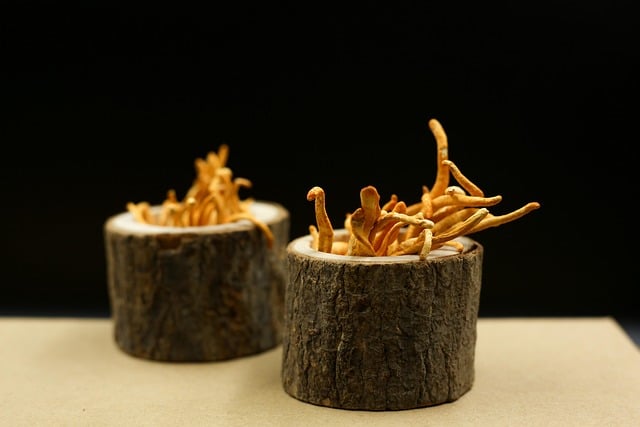
Perhaps the most famous behavior-altering organism is the Cordyceps fungus. Thanks to the TV series and game The Last of Us, the idea of these fungal zombies is quite widespread. In the series, Cordyceps infects people, transforming them into less stereotypical zombies with a much more unique appearance. In real life, Cordyceps can do this to other organisms, but nothing so complex as humans.
Cordyceps is unique in that there are many varieties, each with a specific host. Some Cordyceps species infect ants, others spiders, and still others moths. They never infect other organisms. Cordyceps that infect ants infects only ants. Cordyceps that infect spiders infects only spiders.
When an ant becomes infected with Cordyceps fungus, the fungus grows inside its body until it grows large enough to penetrate the exoskeleton. It sprouts tiny branches all over the ant's body but avoids vital organs, so the ant remains alive.
As the enzymes begin to digest the ant's tissue to keep the fungus alive, the threads become entangled in the host's muscles, rendering it unable to move freely. The fungus now controls it like a puppet. If you've seen photos, you know that by the time they die, they can look like pincushions, with numerous spines protruding from them.
The fungus infects the ant's brain, forcing it to leave its safe and cozy home and head for the optimal location for the fungus, where it can release spores and reproduce. The ant attaches itself to a leaf at the right height above the ground and simply waits there to die. The fungus continues to grow, release spores, infect new ants, and the process continues.
Studies have shown that by the time an ant reaches its death site, where it can attach itself to a leaf and allow the fungus to spread throughout its body, more than half of its brain is no longer its own. The fungus has taken over. It alters its levels of serotonin, which disrupts its ability to forage for food, dopamine, and various neurotransmitters. These neurotransmitters disrupt the chemical signals ants use to communicate. They alter the ant's sense of time, causing it to leave the nest at irregular times.
Neurotransmitters that cause hallucinations and spasms are also present, along with enzymes that increase overall activity. By the time the ant leaves its home, climbs a tree, and attaches itself to a leaf, the fungus activates genes that destroy the ant's jaw, preventing it from ever opening its mouth again. The jaw is fixed, and the fungus suppresses the ant's immune response so that it can complete its growth and spread its spores, engulfing almost all of the ant's cells and replacing them with fungus.
The same thing will happen to infected spiders, dragonflies, or moths. Once their bodies are almost completely cleared of everything but the fungus, this will force them to climb the tree to the most convenient location to release spores and cover as much surface area as possible.
You can rest easy knowing that none of this affects humans, and as far as we know, never will. Human body temperature is too high for the Cordyceps fungus to survive. Besides, our bodies and brains are too complex. As terrifying as this fungus may be, it's just a fungus. It's not a miracle worker, and what it does is something it can only do to much simpler life forms.
The Lancet liver fluke also turns ants into zombies.

Can't get enough of zombie ants? The lancet liver fluke is here to help. The ants will eat these tiny worms, and one of them will reach the ant's brain, while the rest will hide in its stomach. Once in the brain, the fluke will be able to manipulate the ant's behavior. As with the cordyceps fluke, the ant will be forced to climb. This time, it will climb a blade of grass and hook its jaws. Then it will wait.
Eventually, an animal, like a cow, comes along, grazes on grass, and eats the ant. The flukes are carried by the new host and head for the liver. However, this isn't their home. The flukes lay eggs, and the host animal sheds these eggs in its feces. Returning to the ground, snails consume the feces contaminated with the eggs, and finally, the flukes have found a home.
It's in snails that flukes are born, and that sounds incredibly disgusting. Hundreds, if not thousands, of them grow inside the snails, and the hosts are forced to spit them out as a slimy lump, which then attracts ants, and the cycle begins all over again.
Hairworms cause suicides
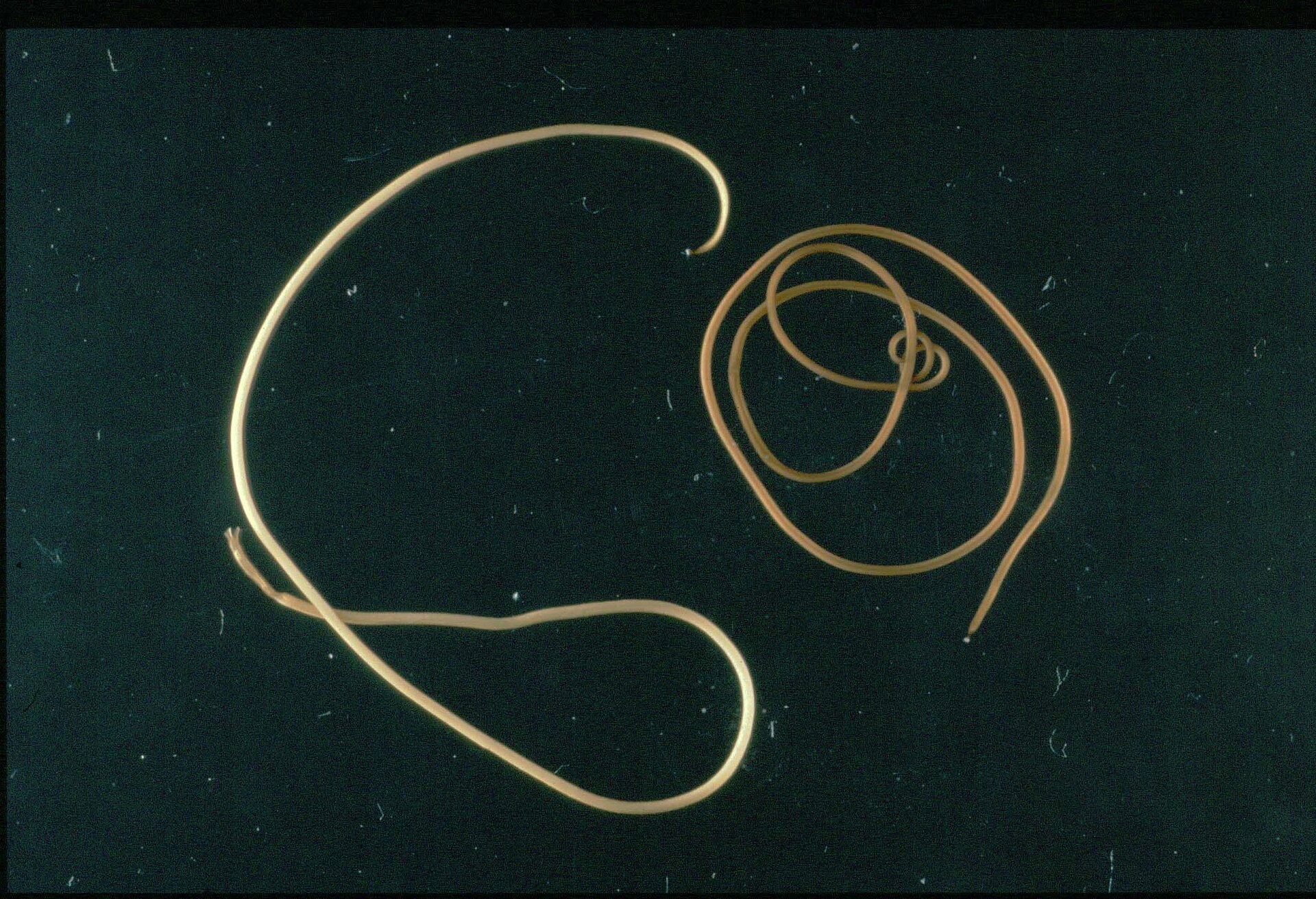
You may have seen videos online of a hairworm-like parasite infecting something like a praying mantis. For a while, these videos would go viral every few months. These videos are certainly disturbing, and if you're not attracted to nasty parasites, you probably shouldn't watch them. They typically depict an incredibly long worm, resembling a very long hair (hence the name), emerging from a grasshopper or other insect. Its size relative to its host can be astounding.
To complete their life cycle, parasites must be in water. Crickets and praying mantises do not live in water. Therefore, upon reaching maturity after feeding on nutrients within the host, the parasites begin to control it and force it to commit suicide by drowning. Then, in water, the hairy parasite emerges from the host insect's body through the anus. These creatures can grow up to 30 centimeters in length. Note that crickets do not reach 30 centimeters in length.
It can be a cluster of several hundred worms, stuck together in a knot, and the crushed insect body may not even be dead yet. The parasite's eggs then drop into the water, where they are consumed by insect larvae. The insects leave the water and become prey to praying mantises or crickets, and the whole process begins again.
Toxoplasmosis relieves fear
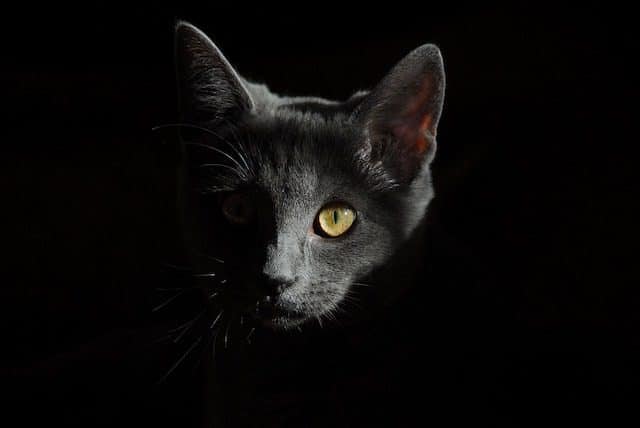
As we've already mentioned, approximately a third of the world's population is infected with toxoplasmosis. That's billions of people. And when you learn what this parasite does and can do, it becomes even more alarming.
When the parasite enters the brain of a rat or mouse, it enters their brain and causes them to lose their fear of cats. It affects the part of the rodent's brain responsible for sexual desire, so the animal may even become attracted to the scent of cats. In other words, the parasite controls the rodent's mind. Why? Because the parasite can only reproduce sexually inside cats.
The fearless little creature will be killed by cats so the parasite can infect them. Once in the cat's stomach, the parasite will begin to multiply and produce offspring in your beloved kitty's intestines. From there, the parasite lays eggs, which are excreted in the feces.
Humans can become infected with parasite eggs by either removing cat litter or touching contaminated soil. Sometimes they also contaminate meat. Inevitably, you swallow them, and the eggs hatch in your stomach. The parasitic larvae penetrate the intestinal wall into the bloodstream, where they typically travel to the eyes and brain. If you have a healthy immune system, this shouldn't cause any problems, at least that's what's commonly believed.
For a long time, it was believed that parasites simply lay dormant and did not cause side effects except in extreme cases or when the immune system was weakened. In severe cases, they have also been linked to illnesses such as schizophrenia, suicide, and behavioral disorders, but direct evidence of a cause-and-effect relationship is insufficient. There is also a risk of infection during pregnancy, when parasites can harm the fetus, so pregnant women are advised not to change cat litter.
More recent studies show that these parasites also cause behavioral changes in humans. As in mice, toxoplasmosis infection can cause riskier behavior in humans.
Myrmeconema Neotropicum parasites alter the appearance of their host.
This roundworm infects ants in the tropical forests of Central America. Researchers noticed that some ants, usually black, had developed massive red abdomens. The ants moved slowly and raised their abdomens into the air. They were about the size and shape of many berries growing on trees, so the researchers became curious about what was happening.
When the ants were dissected, hundreds of roundworm eggs were found inside. A theory was put forward that the parasite had found a way to alter the ant's morphology, making it resemble local berries. This allowed birds to fly in, eat the ants, and spread the parasite's eggs throughout the rainforest, infecting other ants.
The exact mechanism of the changes occurring in the ants is unknown. The parasite may disrupt melanin production, simply introduce a new red pigment, or both. Furthermore, the ant's cuticle, a protein- and lipid-rich exoskeleton that acts as armor, was almost 25% thinner in infected ants. The parasites fed on it, altering its appearance.
Other articles that may interest you