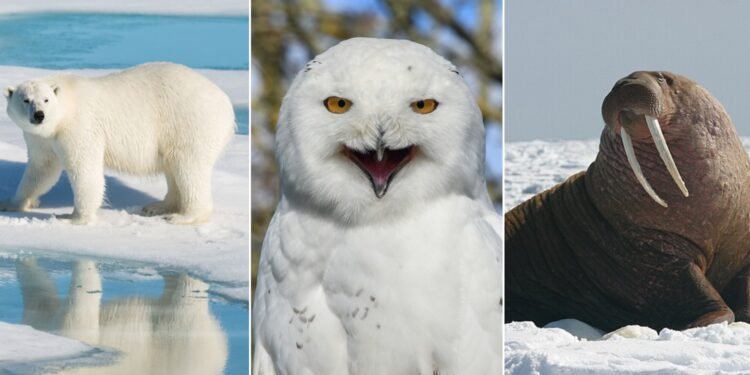
Encompassing the vast Arctic Ocean and ice sheets claimed by eight countries and shared by three continents, the Arctic is one of the world's most mysterious regions. We often think of this freezing region as devoid of life. However, many animals inhabit the polar regions. So, what animals live at the poles? The poles are home to a wide variety of species, from snowy owls to polar bears, walruses to Arctic foxes. We've covered the creatures that inhabit the poles in detail. Here are the animal species found at the poles.
«Who owns the Arctic region and which countries are laying claim to it?»
Every living creature has a color that adapts to its environment. Creatures living in hot and humid regions have darker coloration than their relatives living in cool and dry places. This is because low temperatures prevent the formation of the pigment melanin. This situation benefits both the hunter and the prey.
Now that we know why animals living at the poles are white, let's look at what animals live at the poles.
1. Polar bear
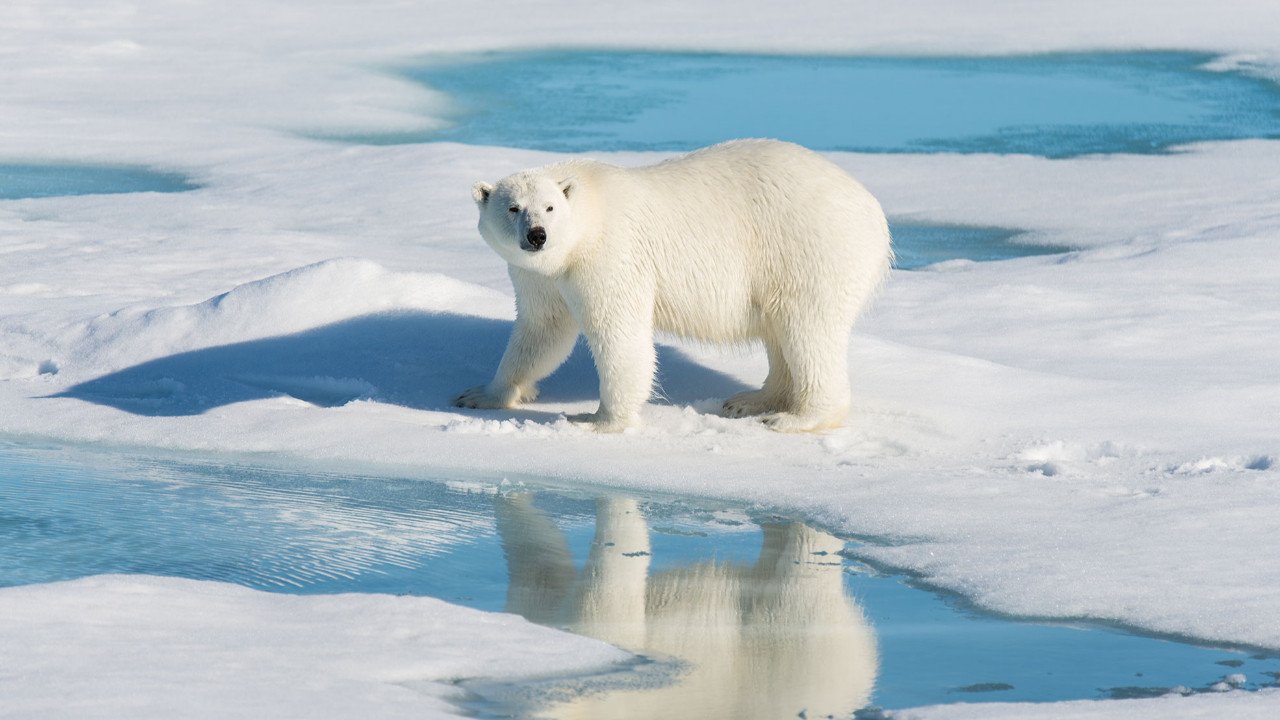
Polar bears, which are included on our list of animals living at the poles, are among the largest land animals in the Arctic. They use the ice of the Arctic Ocean to hunt seals. They are the largest land-dwelling carnivores. Males can reach 3 meters in length, but females are usually half that size. Although polar bears appear white, their skin is actually black. The fur covering their dark skin is translucent, helping them blend into the icy environment. Their sense of smell is astonishing; they can smell a seal from almost a mile away.
Polar bears are excellent swimmers. They use their claws as paddles and their hind legs as rudders. They can reach speeds of around 9–10 km/h in water and continue swimming for several days without rest. Polar bears are actually classified as «marine mammals» because they spend a significant amount of time at sea. They are the only bear species classified as such. Their fur is so effective at retaining heat that polar bears must be careful not to overheat. When not pursuing prey, they maintain body heat by moving slowly.
2. Arctic hare
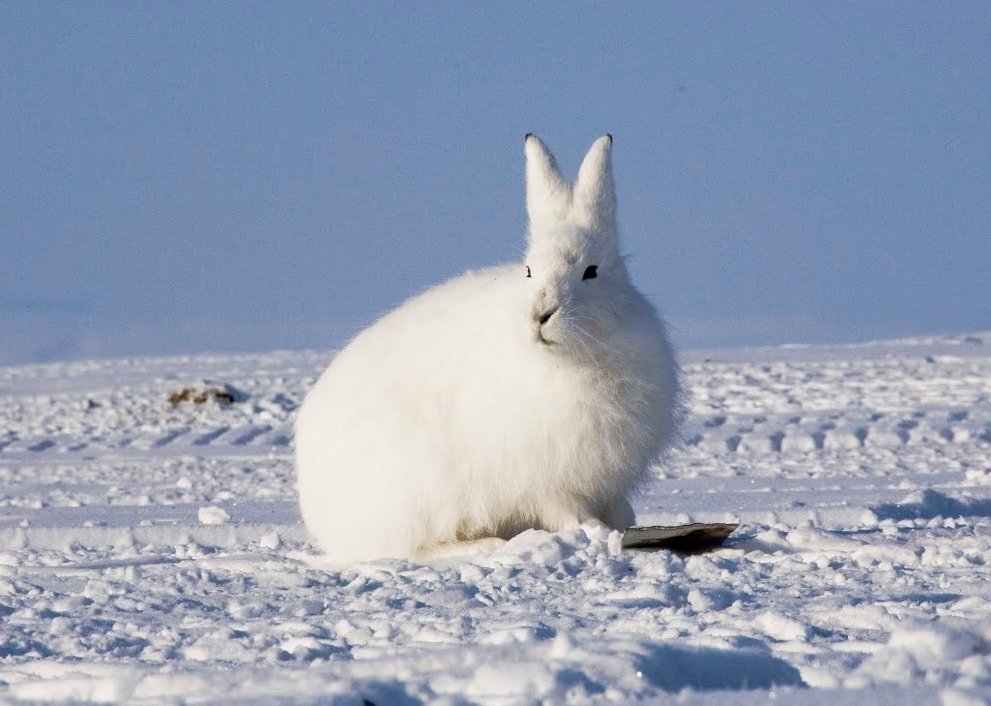
Arctic hares, which are among the animals that live at the poles, dig dens under the snow. They are much larger than the average domestic rabbit, but their ears are shorter. They change color throughout the year. In summer, their fur becomes bluish-gray, helping them blend in with the rocks on land. When there is heavy snowfall in winter, their fur turns white, providing camouflage. They need to hide from Arctic foxes, who want to hunt them. Arctic hares are also extremely fast and can evade predators at speeds of up to 40 miles per hour.
3. Arctic fox
Like arctic hares, arctic foxes shed their fur throughout the year. Arctic foxes have the warmest fur on the planet. They live in underground burrows and use their long, bushy tails as blankets. To conserve energy, arctic foxes sometimes follow polar bears and scavenge their kills instead of hunting their own prey. Arctic fox dens are large structures, some 150 meters wide and with over 100 entrances. Like polar bears, arctic foxes have sensitive noses. They can smell seals from up to 1.5 kilometers away.
4. Snowy owl
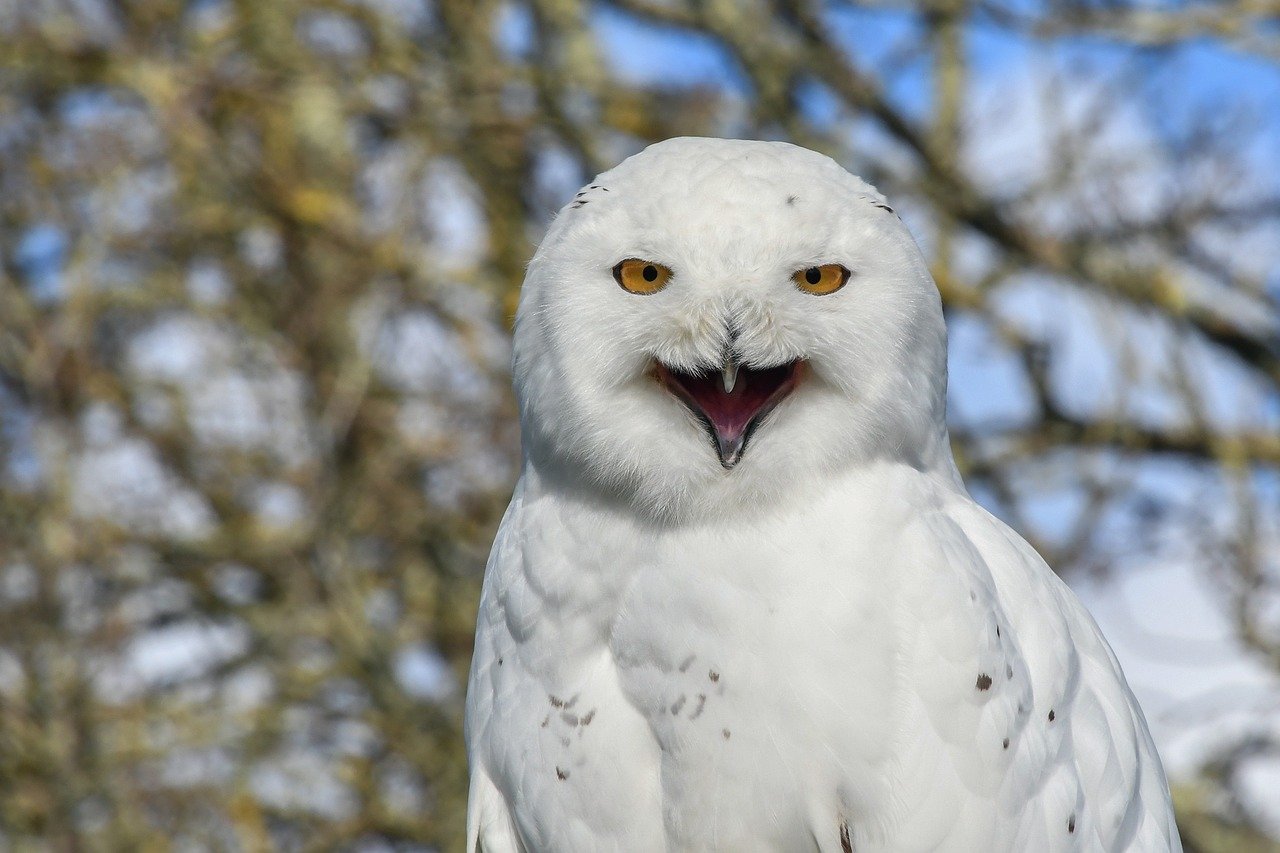
Because there are no trees in the Arctic, snowy owls perch on cliffs to hunt. Their favorite food is lemmings (a type of small rodent), and they can consume around 1,600 of them per year. They hunt birds and fish, as well as other small mammals such as rabbits, rodents, and arctic hares. While most owls are nocturnal, snowy owls roam throughout the day, meaning they are active both day and night.
Male snowy owls are so heavy and strong that they can knock down an adult human! Snowy owls' legs and toes are covered in feathers, which helps them retain heat. Males are typically paler than females, and females are never completely white.
5. Reindeer
Reindeer feed on moss, plants, and grass. In winter, they migrate further south, as the weather there is too cold for them to survive. Their sharp hooves help them walk on ice and rocks.
Reindeer really do have red noses! This is because their noses are filled with capillaries that carry oxygen-rich blood. This dense network of capillaries in the nose helps reindeer regulate their entire body's internal temperature. Their noses are designed to warm cold air before it enters the lungs.
Reindeer are highly social and live in herds. These herds can be very large; up to 500,000 reindeer migrate 1,600–4,800 km south in search of warmer climates during the winter. Reindeer can sometimes communicate by clicking their knees to avoid separation.
6. Arctic seals
Arctic seals, which are among the animals that live at the poles, are perfectly adapted to life on the Arctic ice. Using the claws on their front flippers, they dive into cracks in the ice and hunt for fish and crustaceans. They may have to dive very deep to find food. Sometimes they dive as deep as 45 meters and can stay underwater for more than fifteen minutes. Under their fur, they have a thick layer of blubber that helps them retain heat. Mother seals can identify their pups simply by smell.
7. Walrus
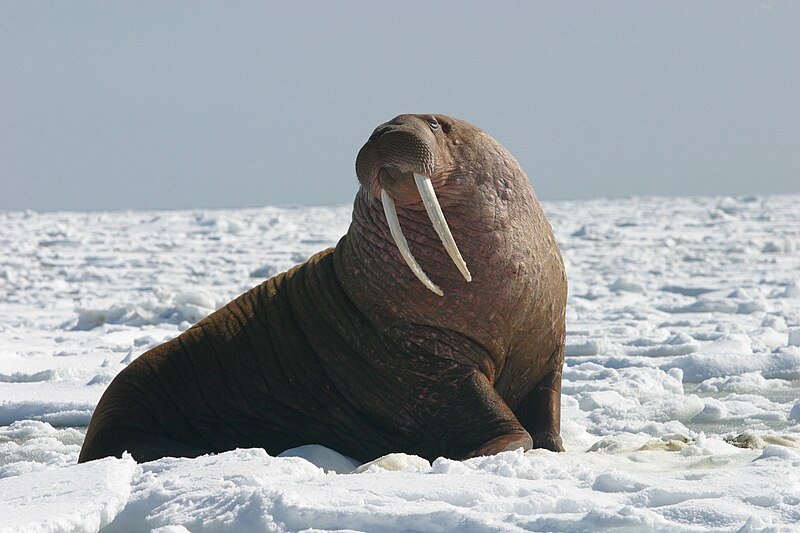
Adult walruses weigh up to 1.5 tons. They are very sociable animals and gather in large groups on the ice. They typically feed on mussels, oysters, fish, and worms. Walruses typically live for about forty years. Unlike seals, they do not venture far into deep water. They prefer shallow waters, where they can find as many worms, snails, and sea cucumbers as they desire.
8. Musk ox
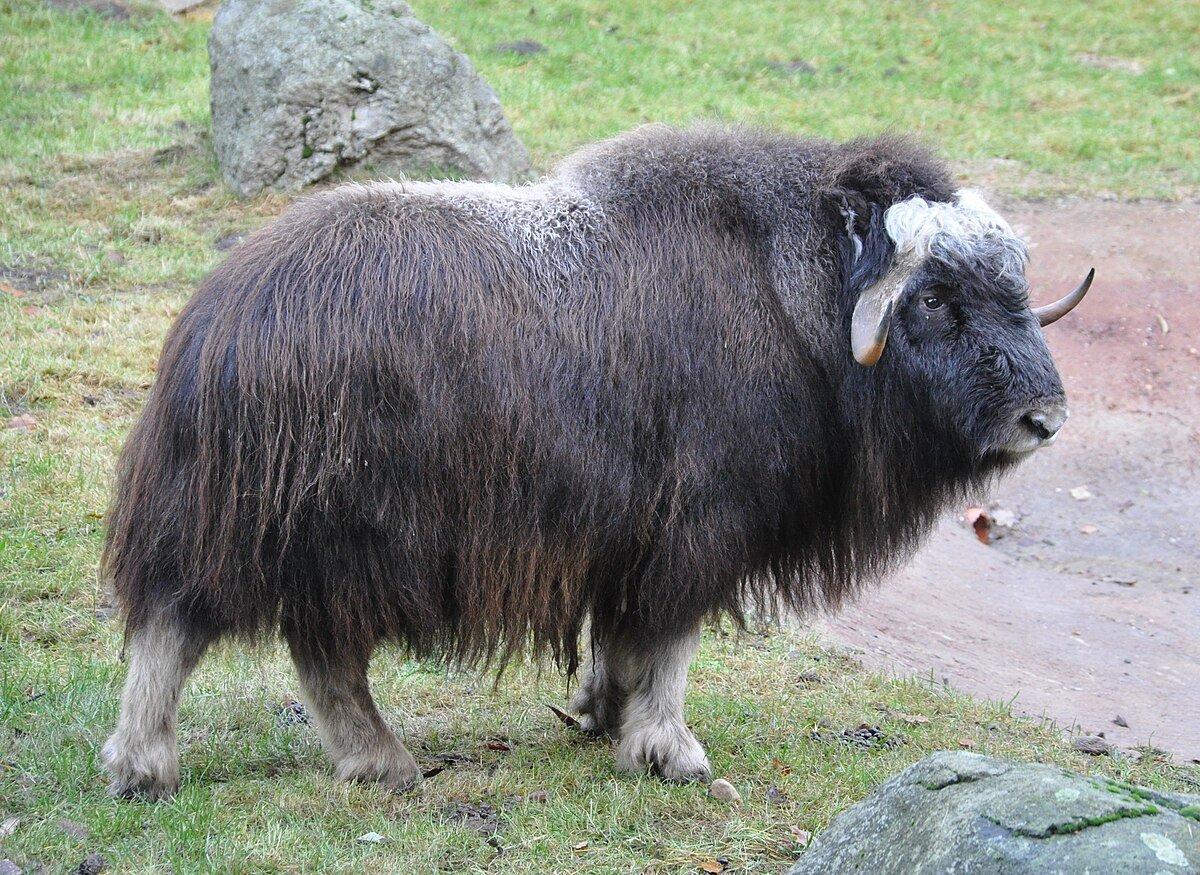
Muskox, characterized by thick fur and a stocky build, are common in the Canadian Arctic and Greenland. They average 1.5 meters tall and weigh between 180 and 410 kg, depending on season and age. They can run at speeds of approximately 60 km/h and live up to 20 years.
9. Bowhead whale
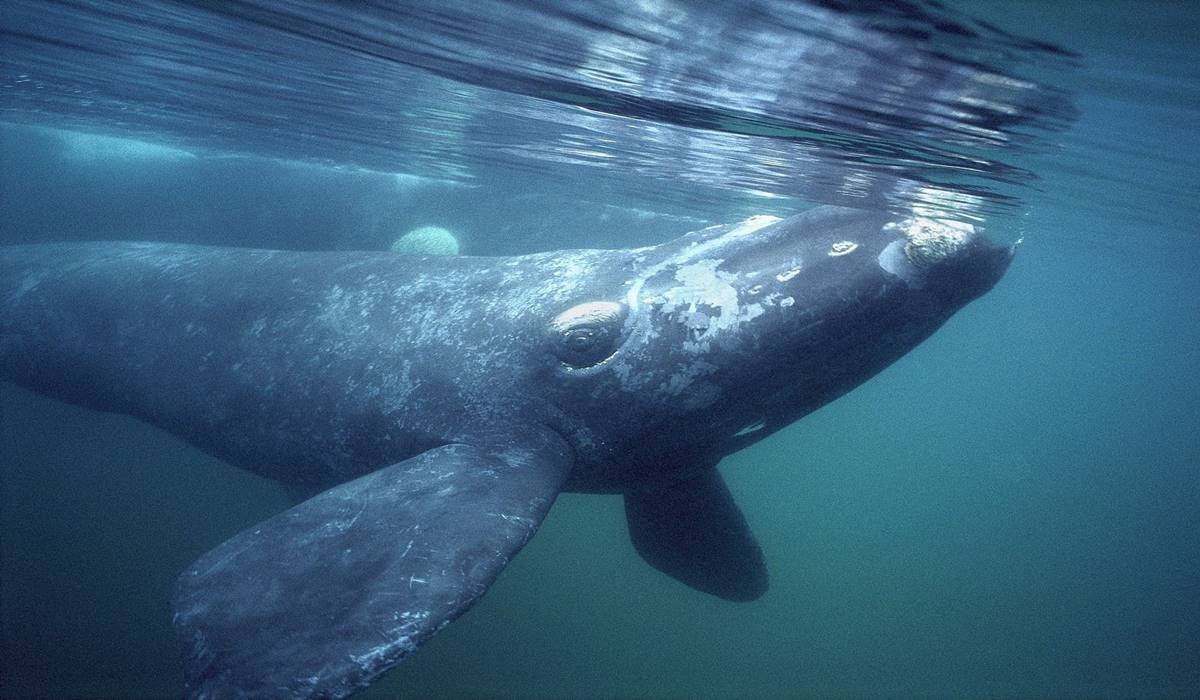
At 20 meters long and weighing 136 tons, the bowhead whale is an incredibly powerful sea monster. As if to prove their strength, they use their large heads and powerful bodies to break through sea ice at least 20 cm thick. Bowhead whales have a lifespan of approximately 60–80 years. However, research suggests that some bowhead whales can live for approximately 150–200 years.
10. Narwhal
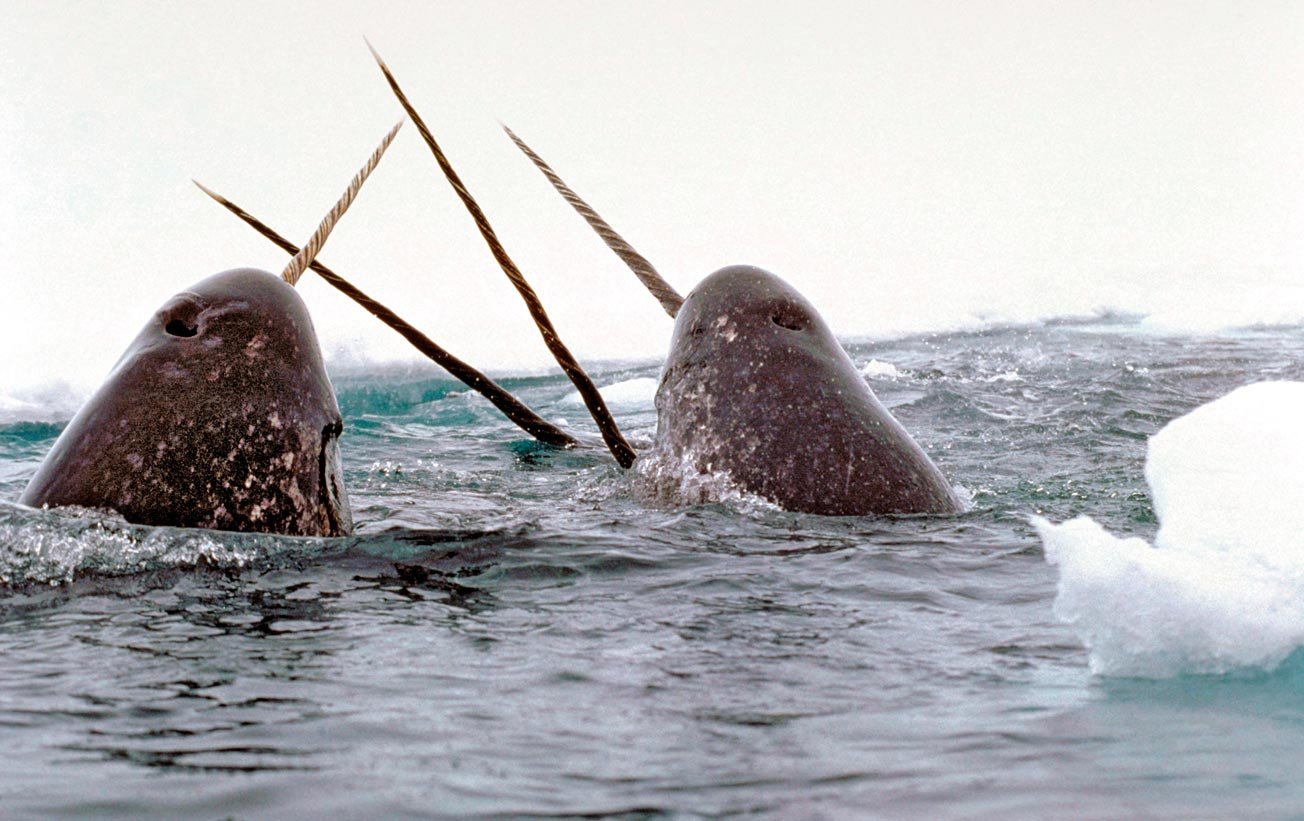
The narwhal, also known as the narwhal, is a mammal that inhabits Arctic coastal waters and sometimes rivers. Adult male narwhals can reach 4.6 meters in length, while females can reach 4 meters. Adult females can weigh up to 1 ton, while males can weigh up to 1.6 tons.
Additional materials
7 Amazing Animals That Live Without a Brain Our brain is one of the most complex organs, active at every moment of our lives and controlling our every action, even when we're not aware of it. This incredible...
10 Amazing Animals That Don't Need to Drink Water There are a small handful of basic things we consider essential to life. Food, water, and shelter are often considered the essential three, and in a pinch, you might just get by with food and water.
10 Amazing Animals That Can Inflate Themselves Among the thousands of animal species living in nature, there are a handful that manage to attract attention through their lifestyle, some through their diet, and some through their interesting coloration. But today we won't be looking at...
10 Amazing Animal Facts That Will Blow Your Mind An integral part of our lives are not only our four-legged friends, but sometimes also winged and crawling ones. They are part of nature, which somehow has to coexist with us. We live with them too, but we...
10 Amazing Stories About Talented Animal Actors Animal actors often achieve considerable fame, albeit under the name of the character they're portraying, not their own. This hardly seems fair, especially since many animal actors have played several different...
10 Amazing Ways Animals Survive in the Desert Desert animals are currently the focus of many researchers studying how humans can learn to reduce their impact on the planet. Deserts are harsh, and resources for their inhabitants are always in short supply,...
10 Amazing Pets You Can Get Raising animals is undoubtedly one of the best ways to boost mental health. They give us a sense of companionship and motivate us to get out of bed, knowing that a breathing soul...
Poems for first-grade children: about school, autumn, animals, and nature Welcome to the world of children's poems! Here you'll find short and funny poems that will help your child develop a love of reading and develop their imagination. These poems are written especially for the littlest ones, for...
Poems about pets: about loyalty, friendship, and love for pets Pets are more than just pets; they're family members who give us unconditional love and joy. They fill our homes with warmth and our hearts with tenderness. In this collection of poems, we...
10 Amazing Things About Your Body You Didn't Know Although we use our senses every day, we usually don't tend to think about them much unless some illness, injury, or other problem causes us temporary or permanent...
Top 10 Fastest Animals in the World A well-trained athlete can reach speeds of 45 km/h, but most of us run no faster than 30 km/h. When it comes to running, humans are far from the king of nature. Many animals...
10 Amazing Times Toys Saved Lives Children's toys are meant to be entertaining. But as the list below shows, these fun little objects can also play a vital role in the relationship between life and death. Here are the top 10 toys that saved...
Top 10 Scariest Extinct Animals Many animals that once roamed the Earth no longer exist. While in some cases this is a great sadness, in others it's for the better. You probably wouldn't be thrilled to see...
Top 7 Strongest Animals on Our Planet In the constant war between predator and prey, size and strength can be the deciding factor in determining victory for one side or the other. However, there are several ways to measure strength, including bite force and striking force.
Top 10 Most Amazing Fossil Finds from the Primordial World «"Who cares about these fossils except paleontologists?" a reader who isn't easily impressed might think. But don't be so hasty. Fossils aren't just "boring rocks"; they're also a kind of cast...
10 of the World's Scariest and Most Dangerous Animals When they say, "Don't awaken the beast in me," what do you picture? A tiger, a wolf, a leopard, or some other clawed and fanged creature? Perhaps something else, as nature is full of terrifying-looking and...
10 Strange and Funny Animals in the World Nature can be very cruel at times, unleashing hurricanes, tsunamis, earthquakes, and other natural disasters upon the world. But sometimes, she creates her creations in a surprisingly humorous mood. Don't believe me? Check out our...