

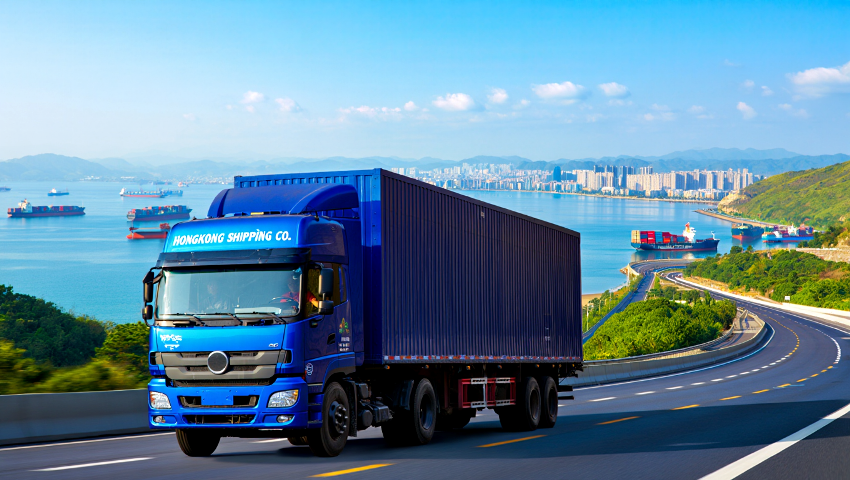
In recent years, China has strengthened its position not only as the "world's factory" but also as a strategic trading partner for thousands of companies worldwide. This process is particularly significant for legal entities in Russia and the CIS countries, as many companies build their business models on supplies from China. However, shipping goods from China involves more than just logistics. It's a complex process that involves international law, customs procedures, the choice of transport routes, packaging, and quality control.
In this review, we'll look at the main delivery formats, their advantages and limitations, and what makes this market so complex and yet so attractive.
Why China Remains a Key Partner
China today occupies a leading position in global manufacturing. The range of goods imported from there is astonishingly diverse: electronics, industrial equipment, components, textiles, furniture, and building materials. For businesses, this means virtually limitless opportunities to customize their product offerings.
But great opportunities have a downside. The wider the selection, the more complex the delivery process becomes. Important factors here include:
- the scale of production and geography of factories (from Guangdong to the northern provinces),
- the specifics of the goods themselves (fragility, weight, need for special storage conditions),
- requirements for certification and customs clearance.
But the delivery process itself isn't simply transportation from point A to point B. It involves a whole host of tasks: from choosing the mode of transportation to coordinating documents and completing customs procedures. This is why the logistics market and cargo delivery from China are constantly evolving, offering new solutions for companies looking to reduce risks and speed up their supply chain.
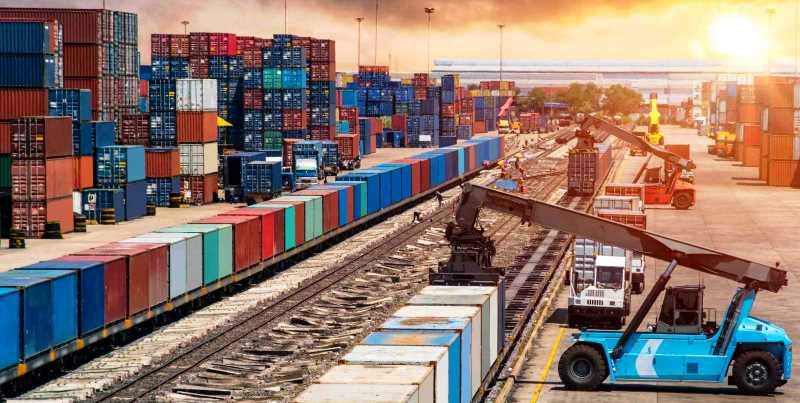
Main methods of cargo delivery from China
Today, four main directions are actively used:
1. Sea transportation
Sea transport is traditionally considered the most cost-effective option for large shipments. Container shipping allows for the shipment of oversized and heavy cargo.
Peculiarities:
- Optimal for mass deliveries.
- Delivery times range from 25 to 45 days depending on the port and route.
- Mixed schemes are often used: sea transport + road delivery to the recipient's warehouse.
2. Air transportation
Aviation is in demand when fast delivery is required, for example, when it comes to electronics or fashionable clothing collections.
Peculiarities:
- Average period is 5–10 days.
- Higher cost compared to sea.
- Used for high value added cargo or seasonal goods.
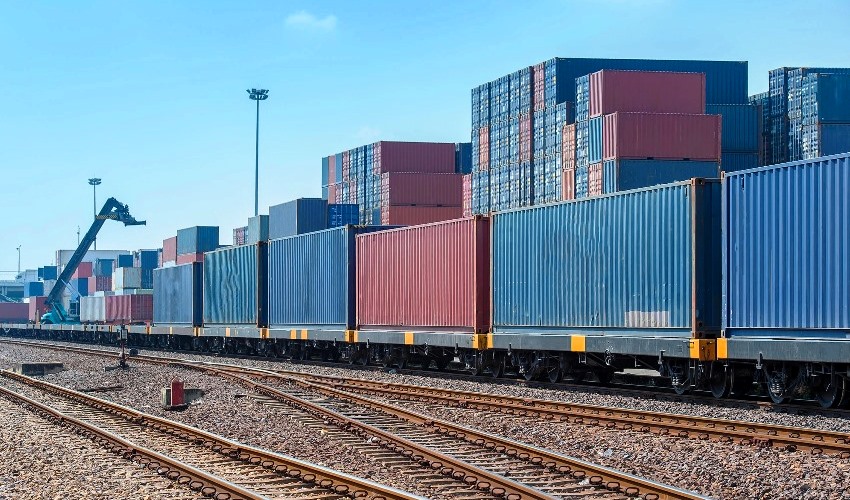
3. Rail transportation
With the development of the One Belt, One Road project, rail travel between China and Europe is gaining popularity.
Peculiarities:
- Average delivery time is 15–25 days.
- Balance between price and speed.
- Suitable for products that require a stable delivery schedule.
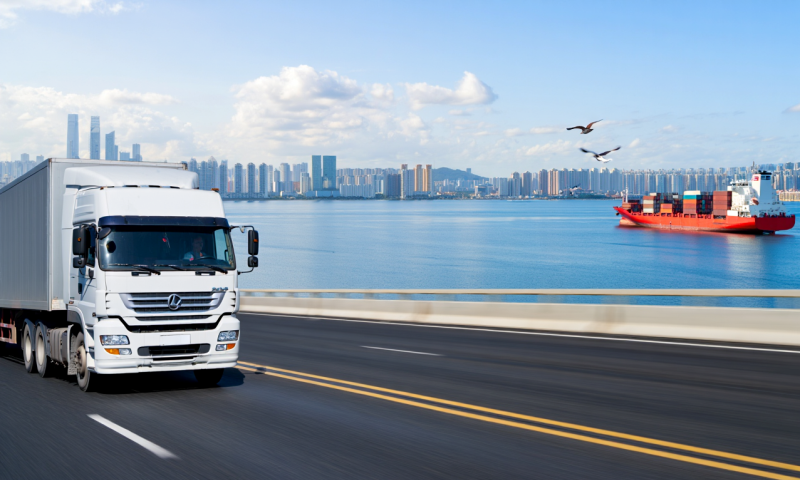
4. Automobile transportation
They are used mainly for deliveries to countries bordering China, or as the final link in multimodal schemes.
Peculiarities:
- Route flexibility.
- The terms vary from 7 to 20 days.
- Convenient for delivering medium-sized batches.
Documents and customs requirements
For legal entities, accurate document flow is essential. Errors in documents can lead to delays, fines, or batch returns.
Key documents include:
- Invoice — contains a description of the product, its price and delivery terms.
- Packing list — details the composition of the cargo.
- Contract between companies — fixes the terms of the transaction.
- Bills of lading (bill of lading, air waybill, CMR, etc.).
Product certification is also worth considering. Some product categories require mandatory testing for compliance with technical regulations or sanitary standards.
Logistics schemes and multimodal solutions
The Chinese shipping market has long since expanded beyond standard models. Increasingly, businesses are opting for multimodal shipping, which combines several modes of transport into a single chain.
Example: cargo is delivered by sea to a Russian port, then transshipped to rail, and finally shipped by road to the customer's warehouse. This combination reduces costs while optimizing delivery times.
Quality control and packaging
For legal entities purchasing large quantities, not only delivery speed but also cargo safety is critical. In China, independent quality control is practiced at factories: batch inspection before shipment, photo and video recording, and report generation.
Packaging also plays a role. For heavy and fragile goods, reinforced boxes, wooden pallets, and special inserts are used. Incorrect packaging can lead to damage and losses that are difficult to compensate for.
Risks and ways to minimize them
International cargo transportation always carries certain risks. Among the most common are:
- Delays at customs.
- Fluctuations in transportation tariffs.
- Currency risks.
- Possible damage to goods during handling.
To mitigate the impact of these factors, companies use cargo insurance, enter into long-term contracts with logistics operators, and choose routes with sustainable infrastructure.
Current trends 2027
In 2027, the China shipping market will show several clear trends:
- The rise of digitalization
The use of online platforms and tracking systems has become standard. Companies increasingly demand transparency at every stage of the supply chain. - Development of "green" logistics
Reducing the carbon footprint is a key challenge for international shipping. Rail routes and modern sea vessels are becoming more environmentally friendly. - Acceleration of customs procedures
Electronic document management reduces the time required to inspect cargo. - The rise of hybrid schemes
Multimodal transportation is becoming a standard solution, allowing legal entities to balance time and cost.
It's impossible to ignore the fact that cargo delivery is directly linked to international politics. Trade wars, sanctions, changes in customs tariffs, and currency fluctuations all impact the final cost and delivery time. Businesses are forced to adapt, seek alternative routes, or combine delivery methods.
Conclusion
Cargo delivery from China for legal entities is a complex and multi-layered system, where logistics are closely intertwined with legal and economic issues. There is no single, "ideal" method: everything depends on the objectives of the business.
What's clear is that the market continues to evolve. New routes, digital tools, changing customs regulations, and a commitment to sustainability are making the shipping process more dynamic than ever.
For legal entities, this isn't just about transporting goods. It's part of a strategy that directly impacts business sustainability. And the more deeply you understand the specifics of shipping from China, the more reliable your international connections will be.