


The magic of a hotel buffet can be truly irresistible. Rows of colorful desserts, fluffy pancakes, and unlimited coffee can tempt even the most disciplined person. But behind this abundance lurk unseen dangers! A conscious traveler understands the risks lurking behind this alluring image and knows how to prepare a safe meal by carefully selecting ingredients. What should you pay attention to when eating at hotels? Here are the foods that savvy travelers avoid at hotels…
1. Warm foods, such as boiled eggs.
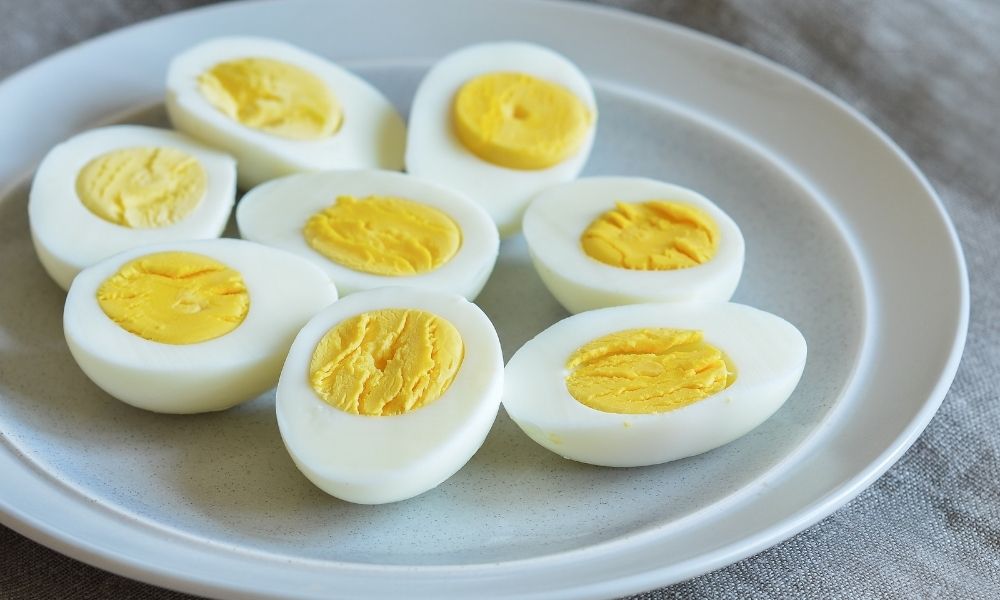
So, we begin our list of what experienced travelers avoid in hotels. Hot items at the breakfast buffet are a danger zone if not kept at the correct temperature. Bacteria quickly grow in foods like scrambled eggs, sausages, and bacon if left at temperatures between 4°C and 60°C. If food isn't kept warm, avoid it. Pre-cooked omelets and hard-boiled eggs can be especially dangerous.
Made-to-order omelettes are always safer. Order from an à la carte restaurant rather than a buffet to ensure your food is freshly prepared. Bacon or sausages kept on a warm plate can also be a safer option.
2. Softened dairy products
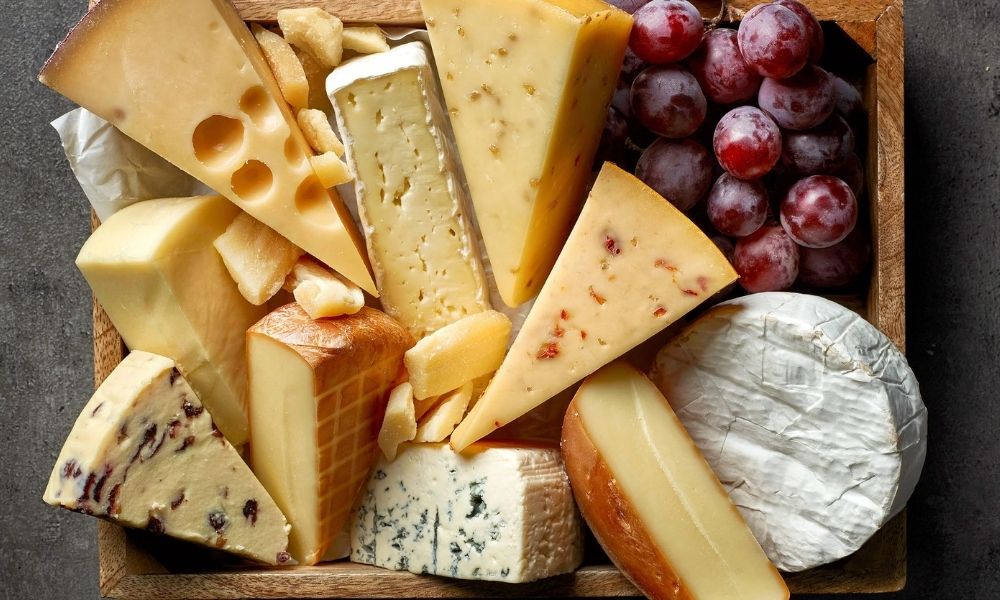
If foods like milk, yogurt, or cheese aren't properly refrigerated, they can lead to serious health problems. Soft cheeses and cream-based desserts, especially those stored outdoors, increase this risk. So what should you do? Choose yogurts and milk cartons offered in individual serving containers. If you love cheese, choose hard varieties like Cheddar or Swiss, and make sure they're refrigerated.
3. Fruit juice

While freshly squeezed juice may taste delicious, if not kept refrigerated, it can create the perfect breeding ground for harmful bacteria. Avoid pitchers that sit on the counter for hours. Choose pasteurized fruit juices, refrigerated, and in individual bottles. If you prefer freshly squeezed juice, you can ask for a glass of fresh juice.
4. Sliced fruits
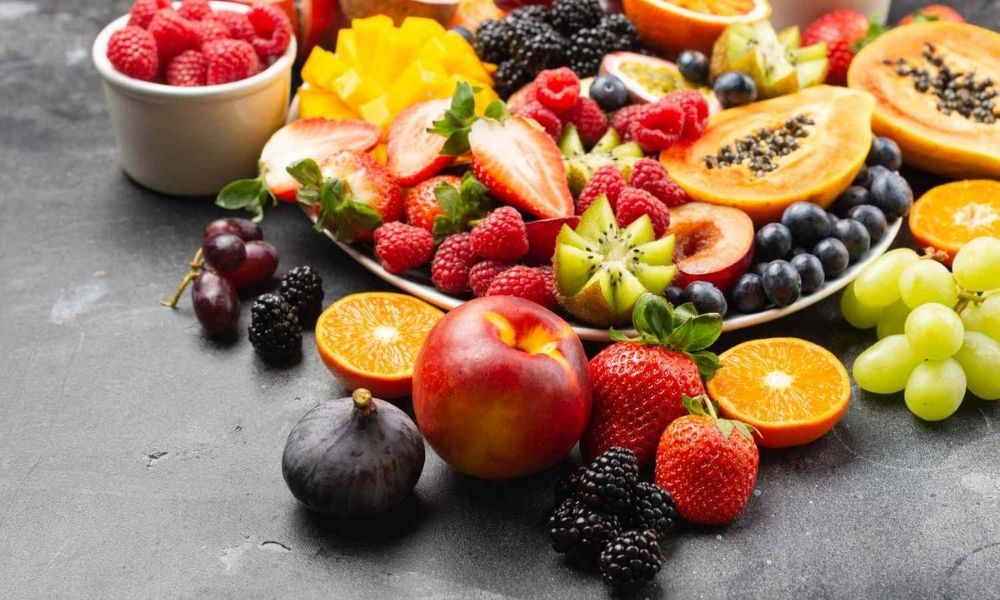
Cut melons and similar fruits are easy targets for bacteria. Fruits that have been exposed to the air for a long time or whose color has faded are especially dangerous. Choose fruits with peels, such as oranges, apples, or bananas. If you're looking for melons or strawberries, choose ones that are kept on ice and are regularly refreshed.
5. Grain and dry food
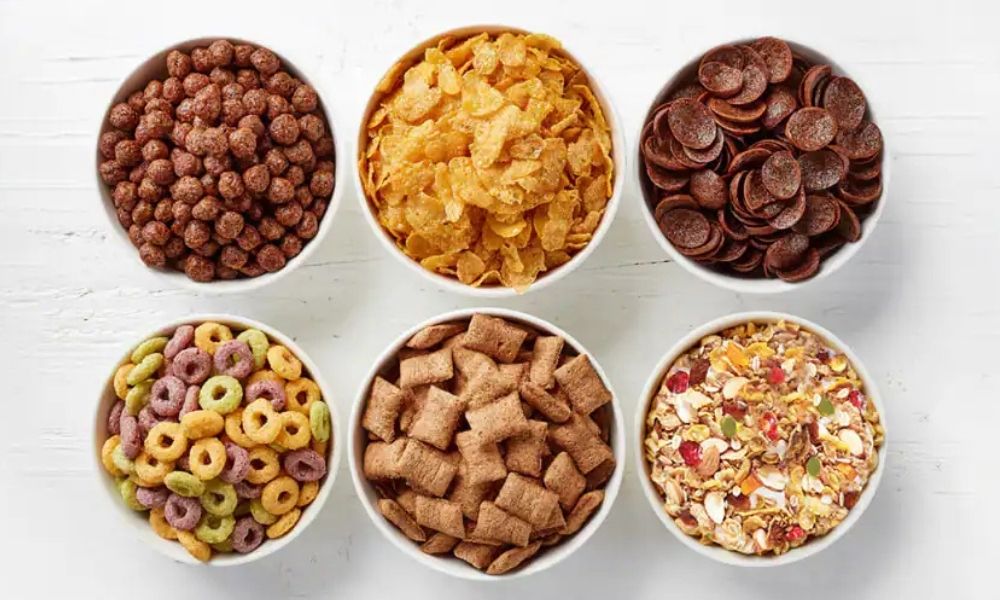
While this may seem safer overall, grains, nuts, or dried fruit left out in the open can pose a hygiene risk. Avoid large bowls of cereal that are easily touched. Single-serving packaging is a safer option. If you want granola or nuts, you can order a fresh batch from the kitchen.
6. Bread and baked goods that everyone touches
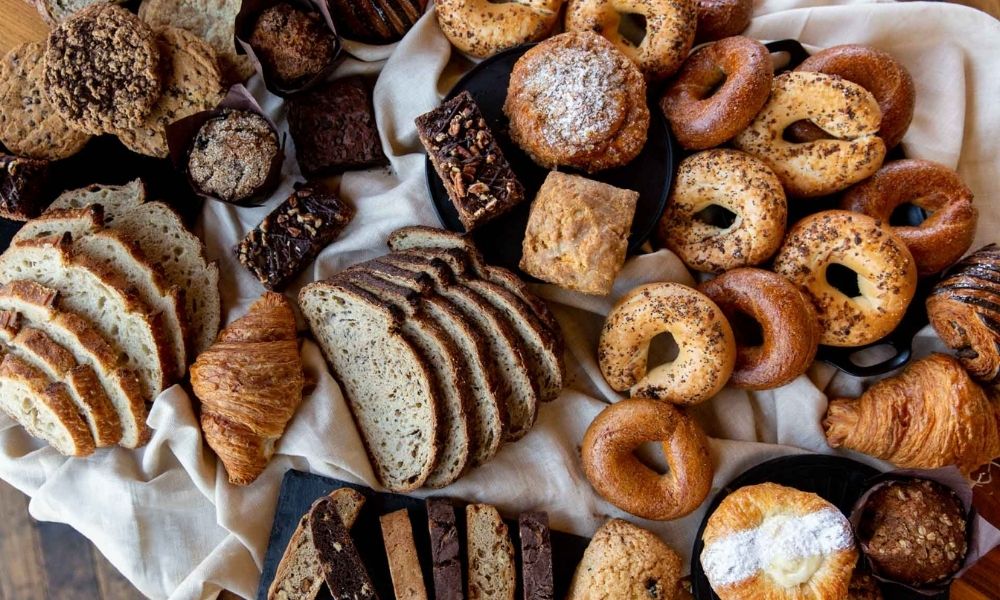
Bread and baked goods left out in the open can be a danger to bacteria, especially if they've been handled by many people. Unwrapped sweets also pose this risk. Choose bread that's sealed and can be removed with tongs. Individually wrapped croissants or muffins are safer. Toasting bread can provide additional safety.
7. Assorted meats
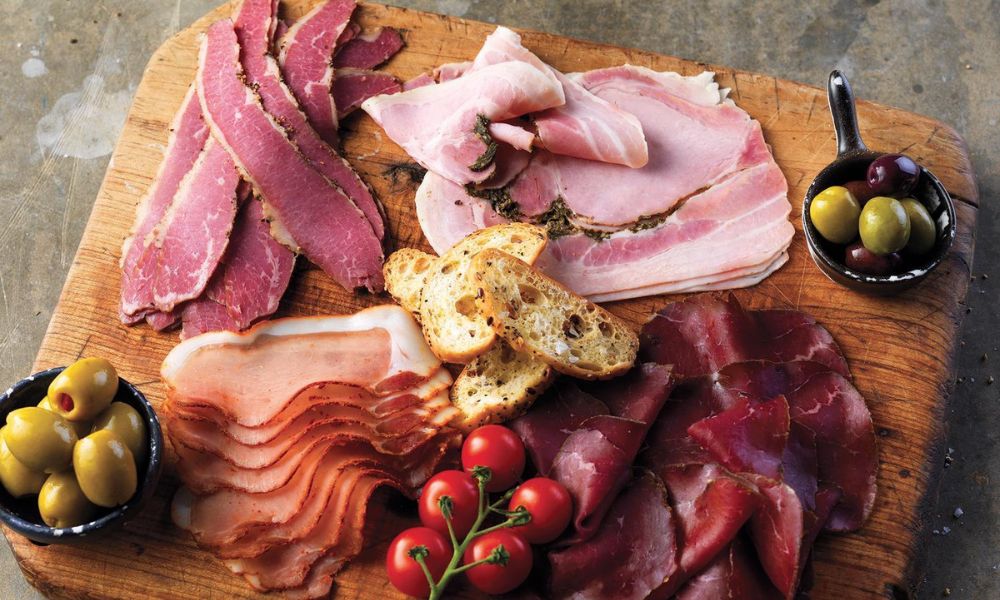
Deli meats left at room temperature create a favorable environment for the growth of listeria and other bacteria. Avoid eating unrefrigerated cold cuts. Deli meats stored on ice or individually wrapped are safer. If you're unsure, ask the kitchen for a fresh cut of cold meat.
8. Salad bar
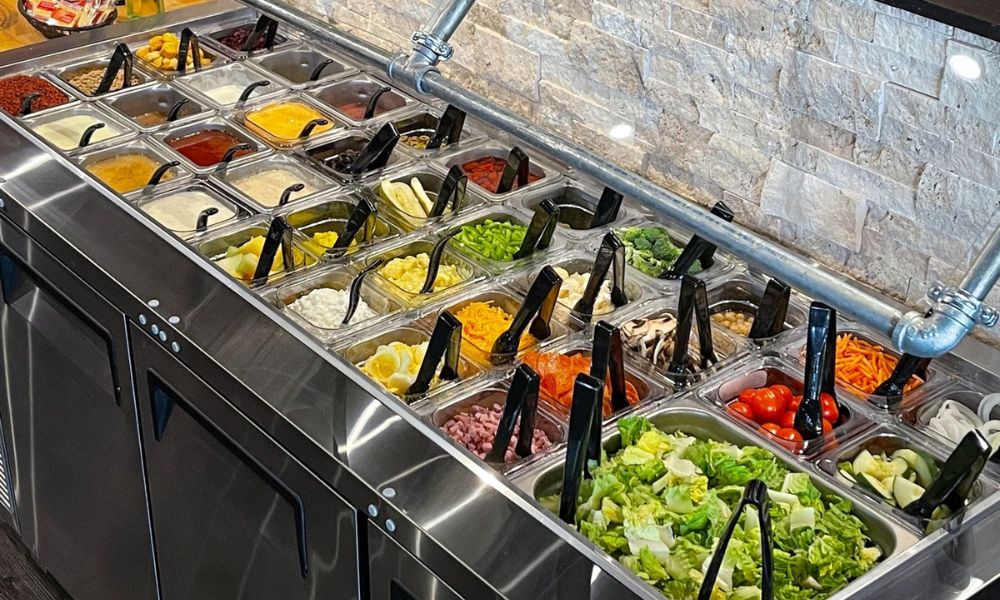
This concludes our list of things travelers should avoid in hotels. Salads may seem healthy, but wilted dressings and greens left out for too long can cause food poisoning. It's also worth noting that poorly washed greens significantly increase the risk of gastrointestinal infections! Choose freshly prepared salads and dressings sold in individual packages.
Share your opinion in the comments!