

Artificial intelligence (AI) is still in its infancy, but it is already being used in a number of fields: from medicine and agriculture to traffic management, smart home systems, and automatic translation.
Here we'll look at some of the key areas of artificial intelligence that experts at Forbes, Computerworld, Interesting Engineering, and other industry publications believe will be the most important AI trends in 2027.
10. Ethical considerations will become more important in AI development

As AI becomes smarter (but not yet so smart that it can proclaim "Hail to the robots!" and conquer humanity), developers are having to pay increased attention to the ethical aspects of their work.
Ethical frameworks for the development and use of AI aim to define how people should develop and use their creations, as well as how AI should not be used.
Many scientists and even writers are devoting their work to the issue of interaction between humans and AI, dubbed "roboethics" for short. The simplest example is science fiction writer Isaac Asimov's "Three Laws of Robotics." Some experts argue that 2027 is the right time to turn Asimov's concepts into law, before truly advanced AI emerges.
9. Chatbots will take over online business
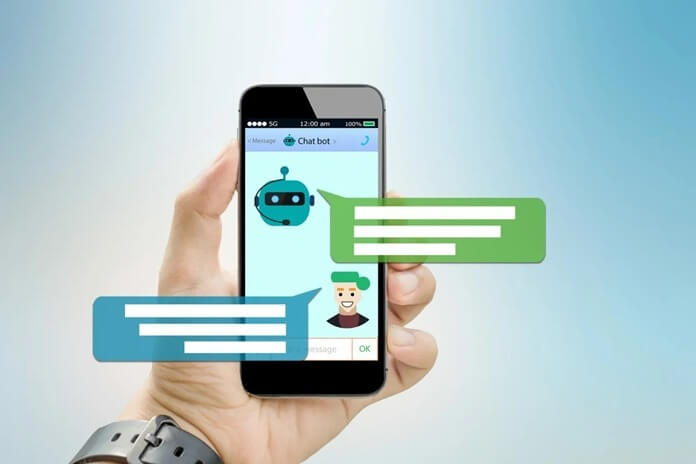
Chatbots—programs for communicating with customers using text or voice commands—have long been a fixture on the websites of many online stores, including foreign ones.
And by 2027, according to Forbes experts, a chatbot will be a must-have for virtually every e-commerce platform and SaaS service. Unlike human operators, it's available 24/7 and greatly helps retain customers by answering common questions.
8. AI will be actively used in computer graphics

One of the trends we'll see in 2020 is the active use of artificial intelligence in computer graphics. This will help create more photorealistic effects, such as creating more realistic-looking vehicles and characters in films and games.
Recreating a realistic copy of metal, the dull sheen of wood, or leather on-screen is typically a labor-intensive process. It requires not only experience but also patience from a human artist. But AI can do this labor-intensive work faster and more reliably. NVIDIA, for example, has been working on this for several years. The company's engineers are using artificial intelligence to create cheaper and faster methods for rendering hyper-realistic graphics in computer games.
7. AI will be applied in the field of cybersecurity

According to a recent survey on technology trends for 2027 conducted by Computerworld, 43.9% people are most excited about the implementation of AI technologies in protecting networks, applications, and data from digital attacks. This is not surprising, given the rise in crimes in this area.
Organizations need help identifying threats and preventing data breaches, and unbiased artificial intelligence can help fill the cybersecurity skills gap.
6. Deepfakes will get even better... which is to say, worse.
The technology that enables face swapping in videos makes for some very funny videos. But it also opens the door to disturbing consequences that could potentially damage or destroy a person's reputation in the real world.
Deepfakes are already becoming very difficult to distinguish from real video, so will we be able to confidently tell what's fake and what's not in the future? This is crucial, as deepfakes can easily be used to spread political disinformation, carry out corporate sabotage, or even intimidation.
Google and Facebook attempted to prevent potential negative consequences by releasing thousands of deepfake videos to train AI to spot them. Unfortunately, even the AI was often stumped.
5. AI will become one of the main tools for marketers
Understanding customer behavior is one of the cornerstones of a successful business, and AI algorithms help business owners and marketers collect this data quickly and efficiently.
As a result, users receive personalized offers based on their preferences in a particular online store.
Forbes experts predict that by 2027, AI-powered marketing personalization will spread across all online e-commerce platforms.
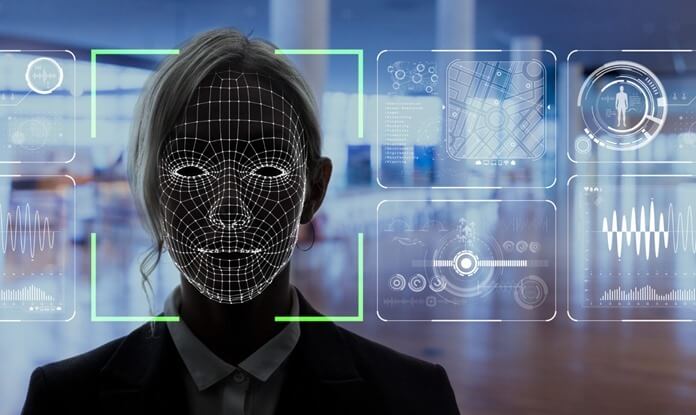
Facial recognition is one of the most important AI trends in 2027. This technology is used by private organizations, airport security services, and even in everyday life, for example, to unlock your smartphone.
In 2027, artificial intelligence will be used even more frequently to recognize and track the location and movement of various people. Some programs can even help identify specific people by analyzing their gait and heartbeat.
3. Predictive text will become even more accessible

«"Smart" electronic text will gradually migrate from mobile devices to computers. It's already being tested on services like Gmail.
When used correctly, this can help users write messages much faster, and can be especially useful for people with disabilities who have difficulty typing.
How this will develop in 2027 is anyone's guess, but it looks like predictive text input could very quickly become a familiar and useful part of our lives.
2. Digital health is already here

In developed countries, digital health isn't just sweet promises from governments, but a way of life. This year, CES featured around 150 exhibits, including technologies for normalizing sleep, monitoring the health of children and mothers, and more.
Thanks to advances in AI capabilities and 5G networks, the transition from «telemedicine-based symptoms to evidence-based data» will begin in 2027, with doctors gaining widespread access to real-time video and similar data to facilitate patient monitoring.
1. AI will help optimize production
Remember the fully automated droid factory in one of the Star Wars episodes? Well, that's still a long way off, but autonomous production lines controlled by AI will be with us in the not-too-distant future.
This promises to reduce costs, improve product quality, and lower energy consumption for those organizations that invest in this technology. The downside of all these benefits is the loss of jobs for many people.