


History is replete with emperors and rulers who reigned long, sometimes prosperously. This list isn't about them. Instead, we're counting kings and queens whose reigns were cut short long before they could achieve anything noteworthy for their kingdoms. In fact, aside from the dubious admission that they were the shortest-lived rulers, most of them wouldn't have had a significant impact on the course of history.
10. Yuan Shikai - 83 days
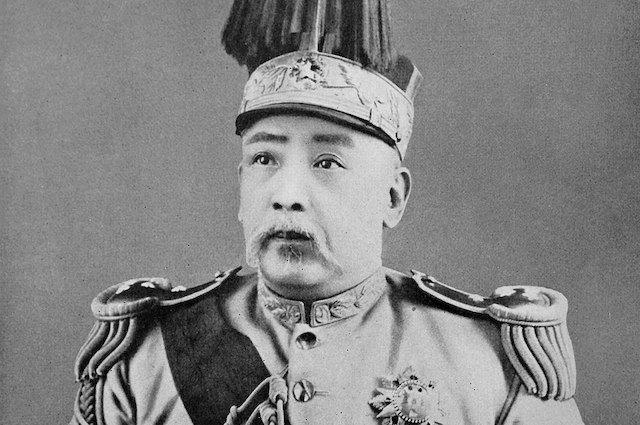
Yuan Shikai rose to power in the final years of China's Qing Dynasty before it was overthrown by the People's Revolution. Xinhai Revolution 1911. By 1912, he had negotiated with the revolutionaries for the post of president in exchange for renunciation the last Emperor Qing - five years old child named Pu Yi. It's a long story.
As president, Shikai attempted to implement reforms that gave him broad powers in the new republic, as the new parliamentary The system greatly weakened his influence over the government. In November 1915, he declared himself the new Emperor of China, even establishing his own new dynasty, the Hongxian Dynasty.
The seizure of power was not well received by various Chinese provinces, two of which rose in open rebellion. Yuan Shikai was forced to abdicate in March 1916, after ruling for less than three months.
9. Edward V – 78 days
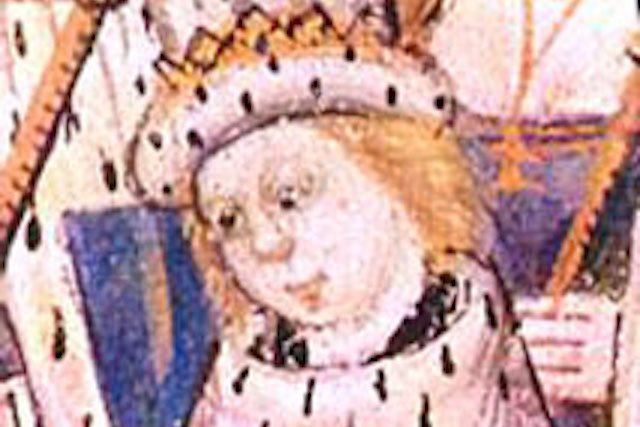
Edward V succeeded Edward IV as King of England in April 1483, during one of the most turbulent periods in the country's history. Now known as Wars of the Roses , It was a bloody civil war between two royal factions—the Lancastrians and the Yorkists—that lasted for over three decades. At the time of his succession to the throne in April 1483, Edward V was only 12 years old, making him one of the youngest monarchs in English history.
Although the conflict would take various forms in the coming years, Edward V's story would end tragically just two and a half months after his succession. He was declared illegitimate by his defender and the subsequent King of England, Richard III, in June 1483 and sent to the Tower of London along with his younger brother. No one knows exactly what happened to them there, although it is assumed that they were killed by order of the king.
8. Gordian I and II – 22 days
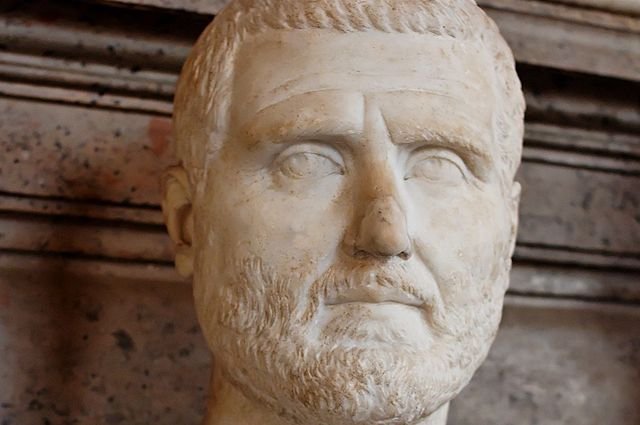
As recently as 238 AD, the Roman Empire was ruled by Maximinus Thrax, a widely hated monarch whose military campaigns and strict tax policies were despised by almost everyone in the empire. In early April, the North African province of Africa Proconsularis revolted, electing its 80-year-old governor, Gordian I, and his son, Gordian II, as the new joint emperors of Rome.
The accession to the throne was officially supported by the Roman Senate in early April, although this was of little help as Gordian II suffered a military defeat and was killed by another Roman governor , an ally of Maximus. Upon learning of his son's death, Gordian II committed suicide on May 12, ending their joint reign that had lasted only 22 days .
7. Lady Jane Grey - 9 days
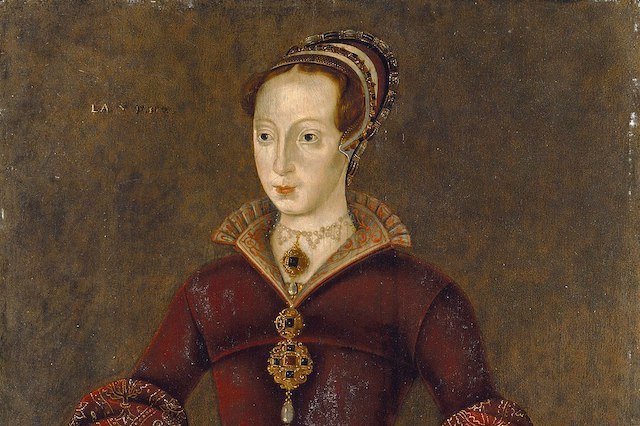
Lady Jane Grey's reign in England began more than six decades after the Wars of the Roses, which ended with the military victory of Henry VII and the rise of the dynasty Tudors . Although she had no great claim to the throne - since she was a cousin sister King Edward VI after his death in 1553 - she was Protestant . The Reformation was still ongoing throughout Europe, and Edward VI played a major role in guiding England towards Protestantism .
Lady Jane Grey was crowned on July 10, 1553, though sadly, her reign ended in tragedy almost as soon as it began. On July 19, nine days after her accession, the throne was seized by Edward VI's sister, Mary, who had a stronger claim to the throne. Because she was a staunch Catholic in alliance with other Catholic factions in Europe, her reign is still remembered for its massacres. persecution Protestants throughout England. As for Lady Jane Grey, in November she was accused of treason crown and executed by beheading in February 1554.
6. Sayyid Khalid bin Barghash Al-Busaid – 3 days
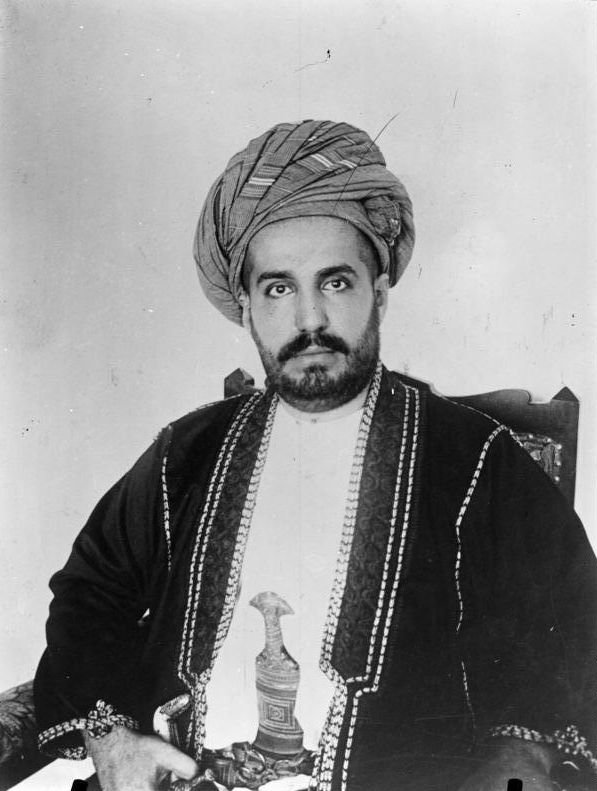
Sayyid Khalid bin Barghash al-Busaid was grandson Zanzibar's founding father, Sayyid Said bin Sultan, who ruled much of East Africa in the first half of the 19th century. By the time Khalid ascended the throne in August 1896, Zanzibar functioned as a protectorate of the British Empire.
At the time, he was about 20 years old and was loved and supported by the population, but not by the British, who instead elected his pro-British cousin, Hamed bin Thuwain. However, his reign was short-lived, as he died mysteriously on August 25. Sensing an opportunity, Khalid declared himself sultan on August 25.
Apparently, the British did not take this very well, and a Royal Navy contingent was sent to resolve the situation, so to speak. On August 27, it began a massive bombardment of the palace and the defending artillery batteries, killing about 500 Zanzibar soldiers were killed in 45 minutes before the garrison was forced to surrender. Khalid himself was forced to flee and seek refuge in the German consulate—Britain's then-rival in the region.
5. Dipendra – 3 days
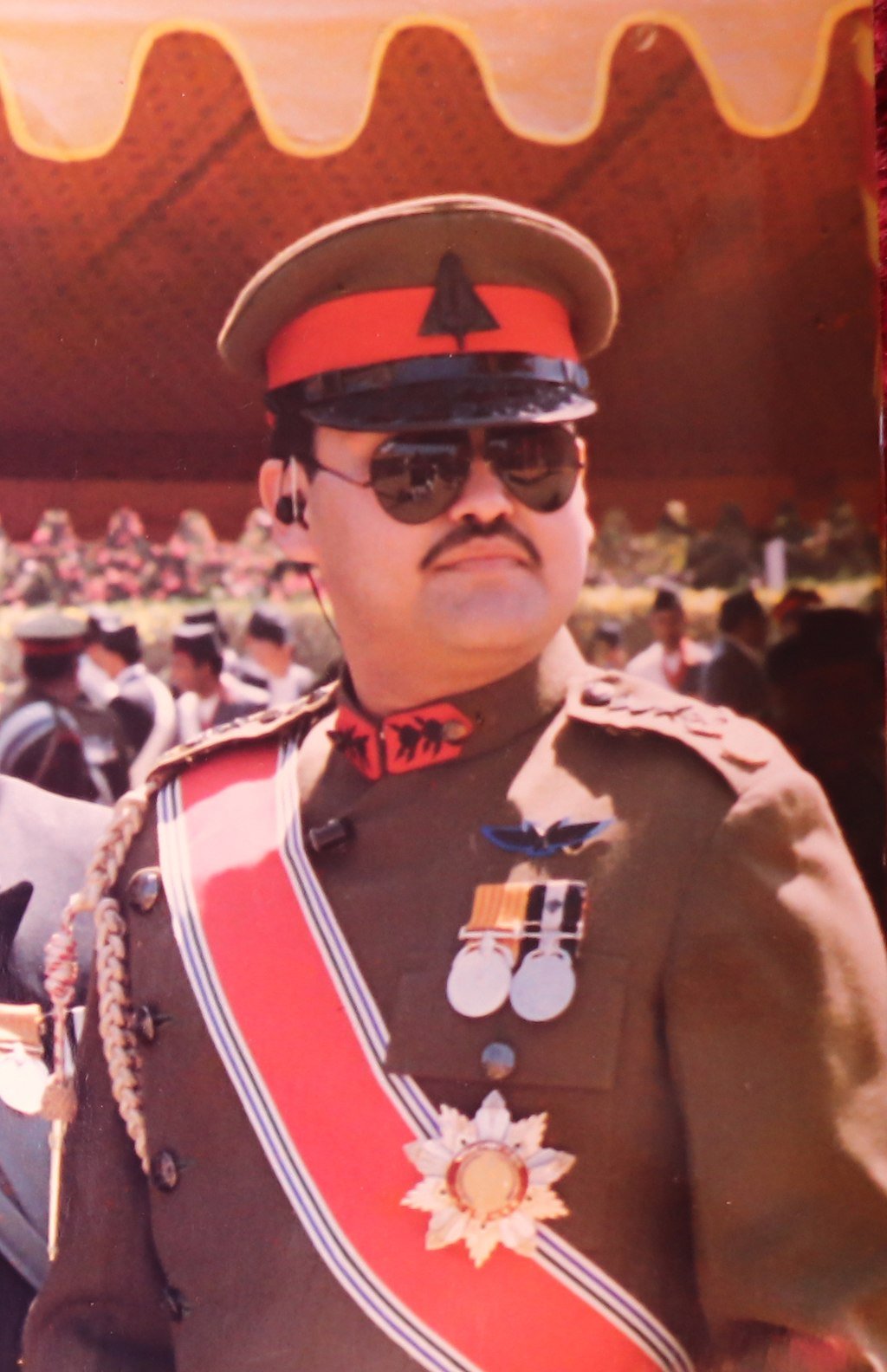
Born in 1971, Dipendra was the direct heir to the Nepalese throne through his father, King Birendra. On June 1, 2001, he found himself at the center of one of the most shocking royal feuds in history when he entered the royal palace with an automatic rifle. и shot and killed ten members of his family before committing suicide from the same pistol. He carried out three days in a coma until his death on June 4.
No one knows the exact motive for the massacre, although a family dispute over his marriage may have played a role. By a strange coincidence, the state's privy council decided to enthrone him while he was in the hospital, making him King of Nepal for about three days.
4. Victoria Kamamalu - 1 day

Victoria Kamamalu was the maternal granddaughter of Kamehameha I, the founder and first king of the Hawaiian Kingdom. In the line of succession, Victoria stood below a long list of people, including uncles, cousins, and sisters. She was elected head of the king's privy council and queen regent, known as Kuhina Nui in the Hawaiian constitution, in In 1855 .
Victoria came to power by accident on November 30, 1863, after her brother, King Kamehameha IV, died unexpectedly without a direct heir. As Kuhina Nui and head of the royal advice , she proclaimed her brother Lot Kamehameha the new king after just one day of reign, making her one of the shortest-lived monarchs in history.
3. Modi – 1 day

The Jin Dynasty was a short-lived imperial house in China during the 12th and 13th centuries, ruling much of northern China and led by the ethnically Manchu Jurchen people. It was a time of near-constant warfare in China, as the Jin Empire faced threats on multiple fronts, such as the powerful Song Dynasty ruling in the south.
In 1232, they were invaded by a combined Mongol force led by Genghis Khan's son, Ögedei, and Song soldiers. While Emperor Aizong attempted to repel the invasion, his tiny forces were powerless. The capital, Kaifeng, was captured and sacked in 1233, forcing Aizong and his remaining forces to flee to Caizhou.
When the Mongols surrounded the city, Aizong decided it was best to surrender. February 9, 1234 He He handed over the throne to his general, Wanyan Chenglin, and committed suicide to avoid capture. Last Jin Emperor , who is now called Emperor Modi, was killed by Mongol soldiers before the day was out, earning him the unofficial title of most short ruling emperor in Chinese history.
2. Mikhail Alexandrovich Romanov – 1 day
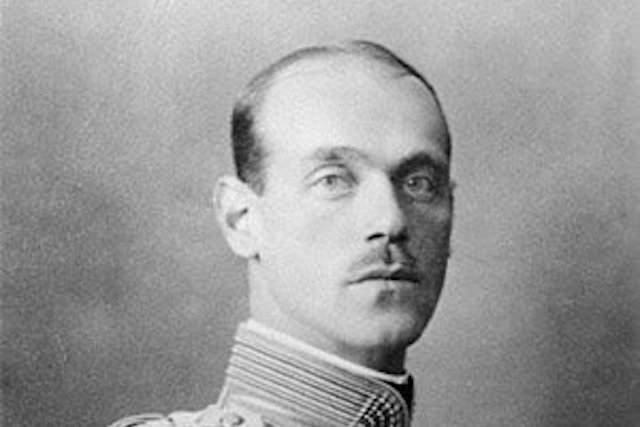
On March 2, 1917, as the Russian Revolution was approaching its final phase, Tsar Nicholas II abdicated the throne in favor of his brother, Mikhail Alexandrovich. This was an unexpected—even if ultimately futile—decision, as he was supposed to pass it on to his son. To Alexey . While state policy was clear on upholding the will of the abdicated Tsar, the events of the revolution complicated the issue somewhat, as most of the rebel factions were opposed to maintaining the monarchy in any form.
Michael remained in power as the new Tsar for about a day before March 3 openly renounced the throne . However, in the grand scheme of things, this didn't matter much, as he became the first of the 18 Romanovs executed by the Bolsheviks in June 1918 .
1. Louis XIX – 20 minutes
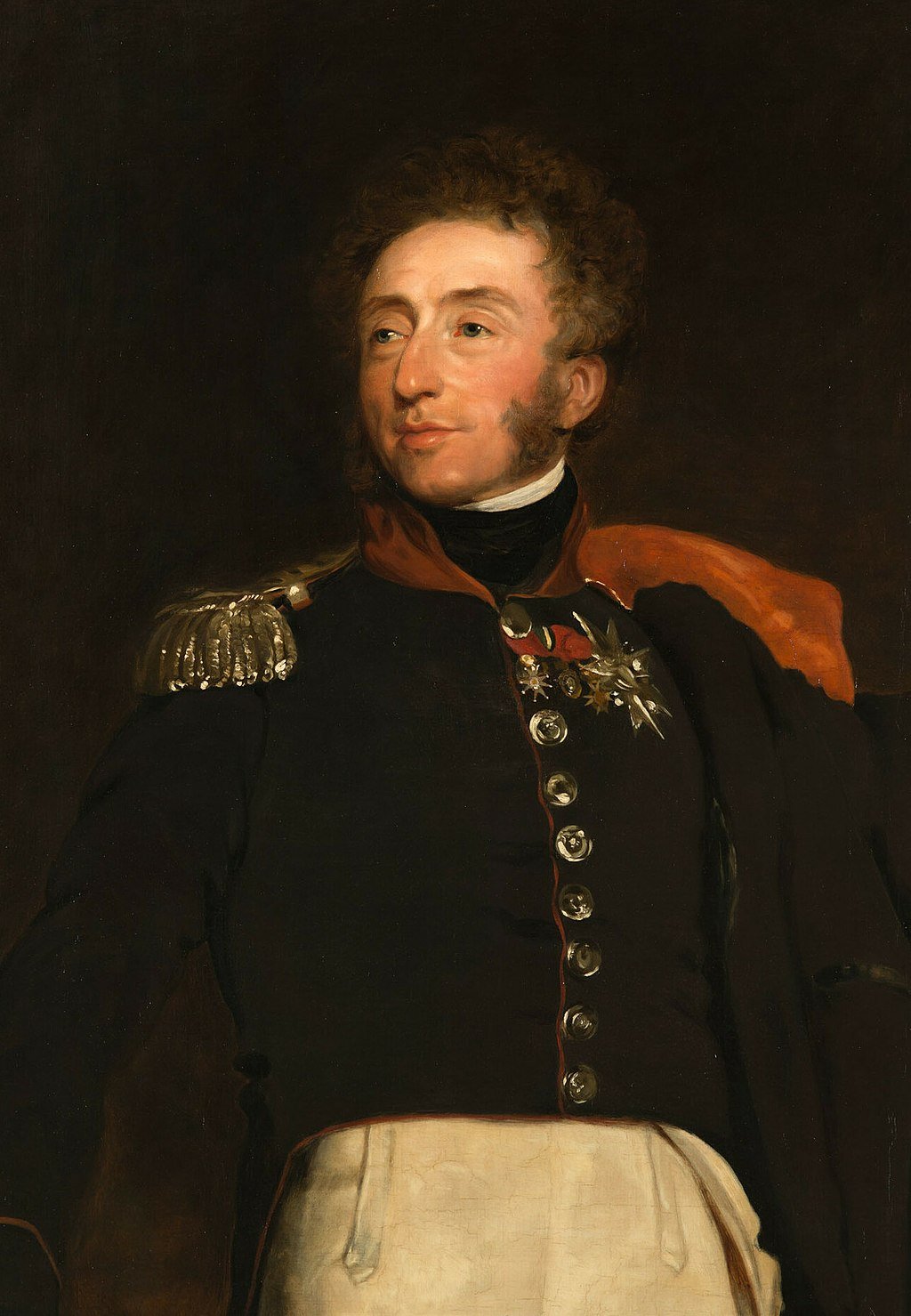
Louis Antoine was the nephew of the last French king before the Revolution, Louis XVI. Born in 1775, he witnessed the most brutal phase of the Revolution, when almost the entire royal family was executed. guillotine . A staunch royalist, he led counterrevolutionary forces during the post-revolutionary uprising in the Vendée and also fought on the side of other European powers in the Napoleonic Wars.
When the French monarchy was restored in 1815, Louis's father, Charles Philippe, was elected the new king. Unfortunately, at least for the monarchy, another revolution occurred in 1830, now called July Revolution , caused by the conservative and royalist policies adopted by Charles's government.
In the face of growing pressure and uprisings in the capital, Charles August 2, 1830 abdicated the throne in favor of his son Louis . Perhaps sensing that this was not the best time for the monarchy in France, Louis abdicated in favor of his nephew Henry V during 20 minutes after the father's abdication.