

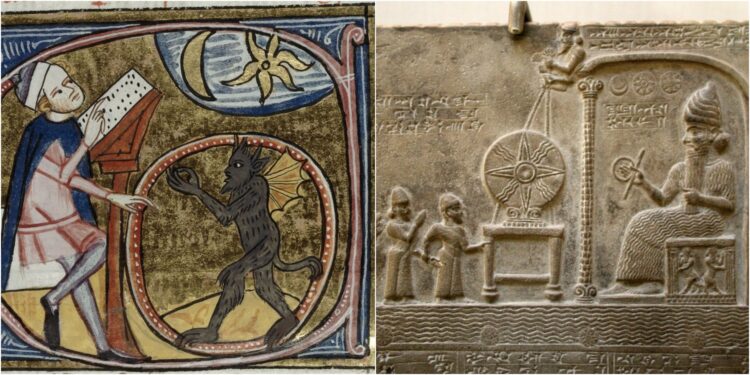
Astrology, derived from the Greek words «astro» (star) and «logos» (knowledge), has long attracted attention. This field, which claims that the positions of celestial bodies and astronomical events influence a person's personality and destiny, is considered by many to be mere entertainment, a «horoscope» without scientific basis. Despite this, many people still consider astrology an important part of their lives. Let's explore how astrology emerged and what role it played in ancient civilizations.
The history of astrology spans centuries. Astrology was particularly significant in ancient cultures such as Egypt, Babylon, India, and China. There, it was closely linked to religion, medicine, and even politics. Astrological knowledge was used for predictions, determining auspicious dates for important events, and understanding the influence of the cosmos on earthly life. Studying the history of astrology allows us to better understand how ideas about the world and our place in it evolved.
Astrology occupies an important place in human life.

Astrology, at its core, is based on the idea that planetary positions and other astronomical events influence our lives—our character, our life path, and even what we call destiny. It's not just a belief, but an entire system that seeks to understand and, to some extent, predict this influence. Analysis of the movements of planets, constellations, and other celestial objects is the foundation of astrological research.
The study of astrology allows us to see the connection between cosmic events and various aspects of human life: from general trends and periods in life to more subtle nuances of personality. For example, the position of the Moon at birth is often associated with emotions and subconscious reactions, while the position of the Sun is associated with self-definition and life purpose. Understanding these connections can help us better understand our strengths and weaknesses, as well as anticipate potential challenges and opportunities. This doesn't mean astrology determines everything, but it can serve as a tool for self-knowledge and more informed choice. Ultimately, astrology encourages us to view life as a complex system where everything is interconnected, and the cosmos is just one factor influencing us. Many people turn to astrology to gain additional perspective on their life circumstances and to better understand themselves.
1. Some people think that astrology is just a horoscope.

Many people consider astrology to be nothing more than a simple horoscope, as it lacks a scientific basis. However, astrology has remained a significant part of human life for centuries. For some, it even becomes the center of their worldview: people make decisions based on the movement of celestial bodies and the positions of the stars. And while zodiac signs and other astrological concepts may seem modern, astrology actually has a very ancient history. Horoscopes and related practices have their roots in ancient times.
2. The first astrological practices appeared in Ancient Mesopotamia in 2000 BC.
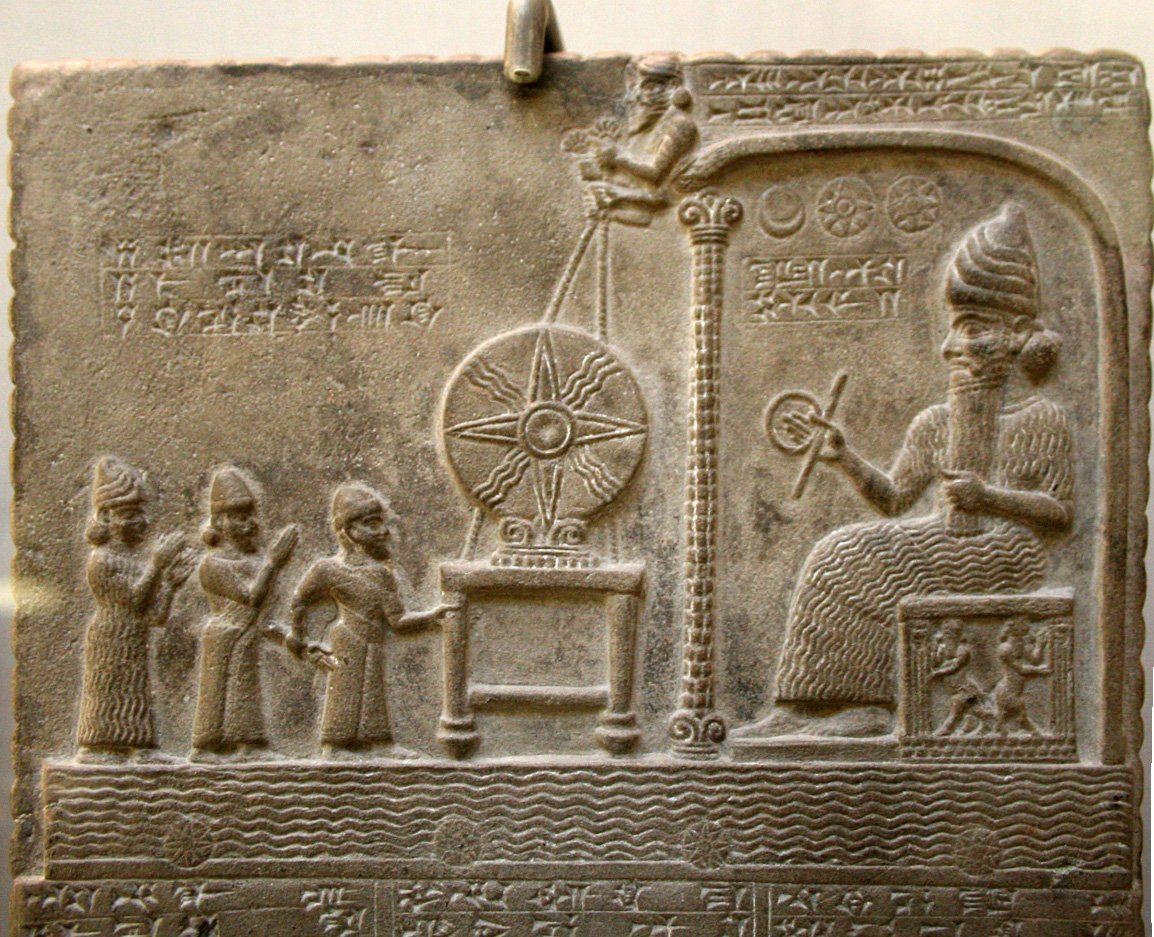
The earliest written evidence of astrology was discovered in the ancient Assyrian and Babylonian civilizations of Mesopotamia. It was there, in Mesopotamia, that the first attempts to systematize observations of the stars and planets, linking them to terrestrial events, arose. Astrology, as we understand it, has its roots in these ancient cultures.
3. In Ancient Babylon, stars and planets were seen as tools for interpreting the signs of the gods.
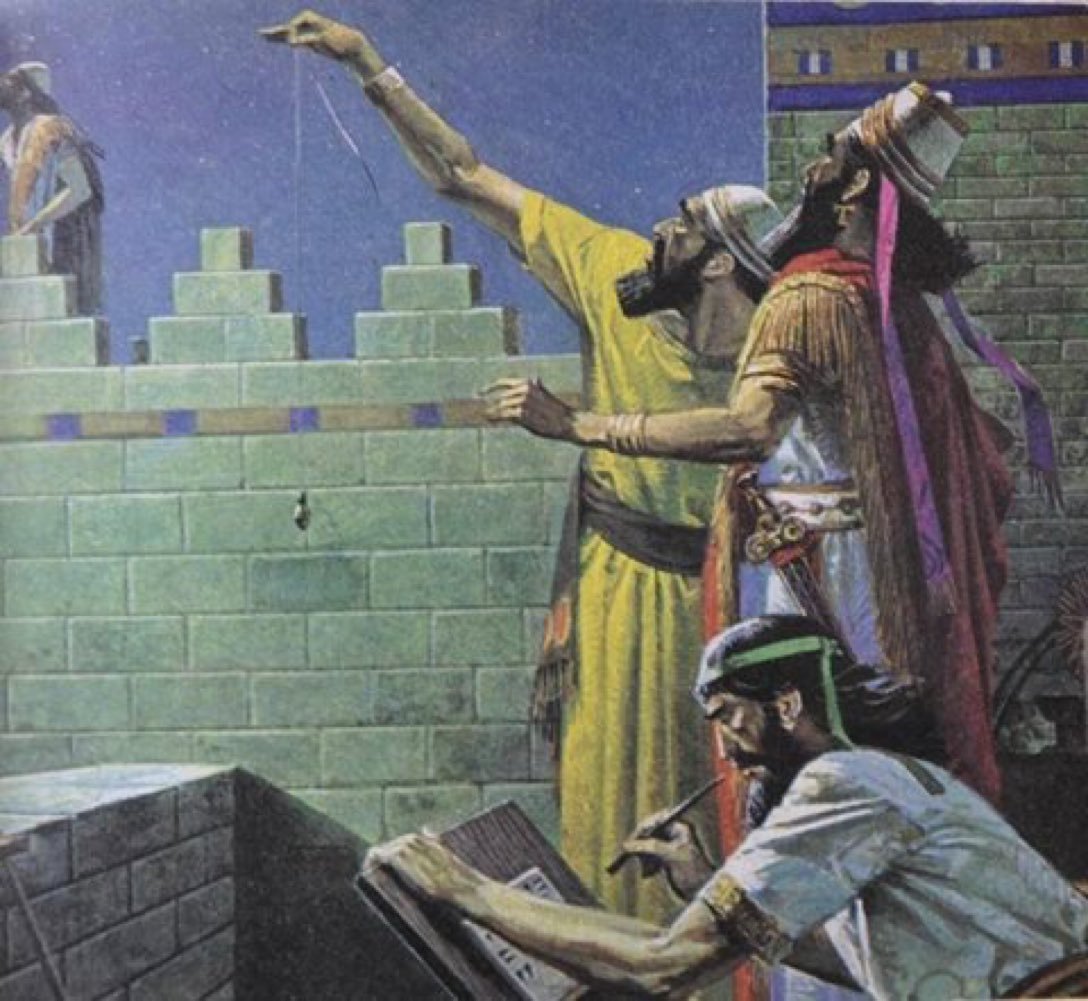
In ancient Babylon, stars and planets were perceived not simply as celestial bodies, but as instruments for understanding the will of the gods. Astrology at that time was closely linked to religious beliefs. Studying the history of astrology, it becomes clear that only a select few had the right to interpret the movements of celestial bodies and cosmic phenomena. Naturally, these individuals were religious figures. After all, the first astrological practices in Mesopotamia were directly connected to the divine – to deciphering signs sent by the gods. The stars and planets were believed to be the means by which the gods conveyed their messages.
4. Babylonian priests tried to understand how the sky influences society

In ancient times, astrology was much more than just a part of religious belief. Babylonian priests, who enjoyed a special status, sought to understand the influence of celestial bodies on society. They were tasked with predicting how the movements of stars and planets would affect the fate of the state, the ruler, and the entire nation. This was an important, specialized field of knowledge, closely linked to governance and foresight. Thus, Babylonian astrology served as a tool for analyzing and forecasting social processes.
5. Zodiac signs appeared in Babylon and Ancient Mesopotamia

The first rudiments of the modern zodiac signs we know today trace their roots back to ancient Mesopotamia and Babylon. There, in those distant times, astrology played a truly enormous role in people's lives—it wasn't just entertainment, but an essential tool for understanding the world and predicting the future. That's why the Babylonians developed a system of twelve astrological signs that corresponded to the constellations visible in the sky throughout the year. This was a kind of celestial calendar, closely linked to the agricultural cycle and important events. Interestingly, many of these signs, centuries later, migrated to the Western zodiac we use today. Essentially, we continue to rely on ancient Babylonian observations and ideas about the connection between celestial bodies and earthly affairs, although, of course, modern astrology has evolved significantly. Understanding this historical context helps us better appreciate how deeply ingrained these symbols are in our culture and how they influence our perception of ourselves and the world around us.
6. The ancient Greeks gave names to the 12 zodiac constellations

The ancient Greeks are rightfully considered the pioneers of the zodiac. They were the first to systematize the 12 zodiac constellations, assigning them to specific periods of the year based on their position relative to the Sun's orbit. The word «zodiac» itself comes from the Greek «zōdiakos kyklos»—literally, «circle of animals,» which accurately captures the essence of this system. The zodiac included all 12 signs we recognize today: Aries, Taurus, Gemini, and so on.
Interestingly, zodiac signs weren't as popular in ancient Greece as they are today. This doesn't mean the Greeks weren't interested in astrology at all—their approach was simply somewhat different. They viewed astrology more as a tool for understanding cosmic cycles and their influence on nature, agricultural processes, and the overall course of life. This stemmed from their profound understanding of the interconnectedness of all things, in which celestial bodies played a key role. Unlike the modern emphasis on individual horoscopes, the ancient Greeks focused more on astronomical observations and their influence on broader phenomena.
Essentially, they laid the foundation for the further development of astrology, creating the coordinate system we still use today. And while our understanding of the zodiac may differ from that of the ancient Greeks, it's important to remember that they gave us this system, this star map, which has inspired scientists, philosophers, and simply curious people for centuries. Understanding this historical context helps us better appreciate the depth and complexity of the zodiac system.
7. Astrology in Ancient Greece is a connection with the gods

In ancient Greece, astrology was closely linked to religious beliefs and understanding of the world. This practice focused on establishing a connection with the gods through celestial phenomena—stars and planets were believed to carry prophecies and signs of the will of the deities. It was precisely from this need for celestial divination that ancient Greek rituals arose, which can be described as attempts to «converse with the gods» and understand their intentions.
However, over time, Greek astrology came to be significantly influenced by its Babylonian heritage. Babylonian astrologers viewed celestial events more broadly than simply as divine messages; they studied patterns and connections between planets, stars, and events on Earth. This more systematic and observational approach gradually merged with Greek traditions of divination.
It was this fusion of cultures and astrological schools that led to the emergence of what we know today as personal horoscopes. Instead of simply predicting the general future, astrologers began to create charts based on the individual date and time of birth to interpret the influence of celestial bodies on a specific person. This marked a significant step in the development of astrology, transforming it from a tool for predicting the fate of a nation or city into a tool for self-discovery and understanding personal tendencies. In fact, we see echoes of this ancient tradition in modern horoscopes, albeit in a significantly simplified form. Understanding this historical evolution helps us better appreciate the roots and significance of astrology as a cultural phenomenon.
8. Claudius Ptolemy invented star reading.

The idea that the stars can tell us about our lives is not just superstition, but a rather ancient concept, whose roots go back to Ancient Egypt. It was there, thanks to Claudius Ptolemy, that this idea took on a scientific form. Ptolemy, a prominent astrologer and astronomer who lived in Alexandria, went down in history as the first to truly emphasize a personal approach to astrology. Before him, astrological predictions were often general, focusing on global events rather than specific individuals.
Ptolemy, in his seminal work «Tetrabiblos,» laid the foundations of Western astrology, and, most importantly, he was the first to introduce the concept of a personal horoscope. This was a true breakthrough, as astrology ceased to be simply a fortune-telling tool for everyone. It became a tool for understanding the unique life trajectory of each person. Imagine: astrologers previously viewed the stars as a vast, indistinguishable pattern, but Ptolemy taught us to see within this pattern distinct, significant points that correspond to specific people and their characteristics.
«The Tetrabiblos is more than just a set of rules and formulas; it is, in essence, a guide to interpreting celestial phenomena in the context of human life. It is thanks to this work that astrology became more precise and personalized, which explains its longevity and popularity throughout the centuries. Understanding the foundations laid by Ptolemy remains helpful even today, as we consider astrology as a tool for self-knowledge and the analysis of potential life situations.
9. Astrology was not only in the West
Of course, astrology is not exclusively a Western obsession. In ancient times, it played a significant role in other cultures, particularly in the ancient Indian and Chinese civilizations. For example, in India, astrology was closely intertwined with Hindu beliefs and practices, forming a unique system for understanding the influence of celestial bodies. This was not simply a matter of prediction, but rather a comprehensive view of the interconnectedness of man, his destiny, and the cosmos, where the positions of the planets and stars were viewed as a reflection of the cosmic order. This integration of astrology with religious beliefs allowed people to find meaning and direction in life, as well as develop strategies for harmonizing their lives with cosmic rhythms. Chinese astrology, in turn, relied on the system of the five elements and the lunar calendar, offering its own methods for interpreting celestial phenomena and their influence on earthly events. A study of these ancient systems reveals that astrology has always been more than just the science of the stars, but also an important part of the cultural and spiritual heritage of various peoples.
10. Chinese astrology is based on Taoist philosophy
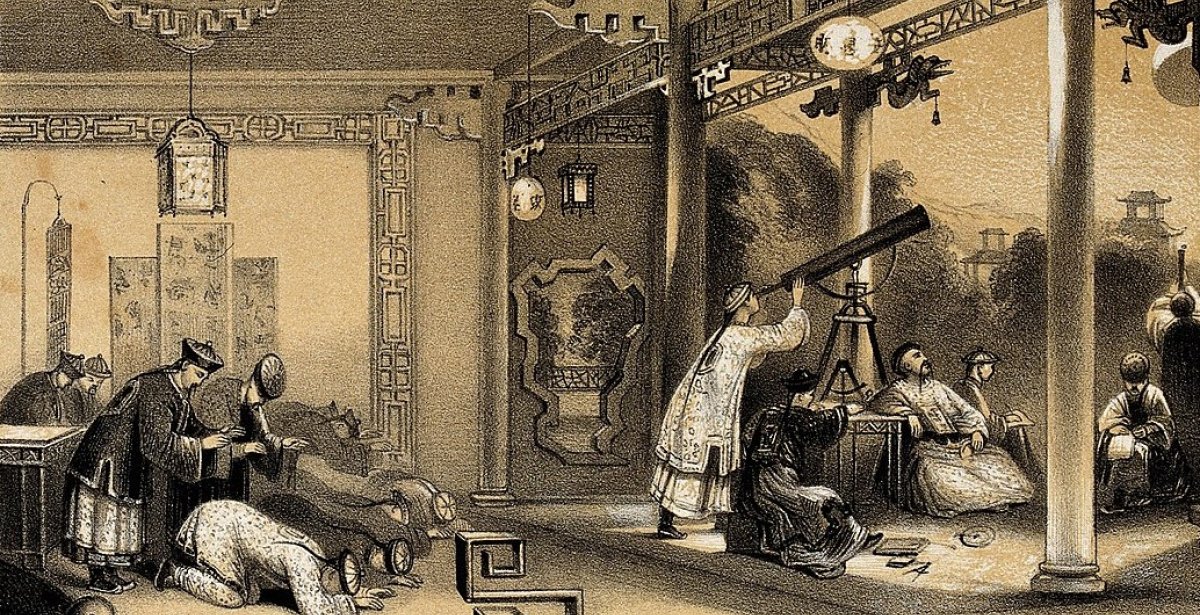
Chinese astrology is closely linked to Taoism, an ancient philosophical system, and uses a system of animal signs determined by a person's year of birth. It's essentially a way to associate your year of birth with one of the twelve animals of the Chinese zodiac—Rat, Ox, Tiger, Rabbit, Dragon, Snake, Horse, Goat, Monkey, Rooster, Dog, and Pig. It's important to understand that this isn't just a pastime; Chinese astrology is a complex system that has been used for centuries to understand personality, predict destiny, and even choose auspicious times for important events like weddings or starting a business.
The influence of Chinese astrology on Chinese culture and social life is profound. It permeates many aspects of daily life, from raising children to making important decisions. For example, when choosing a child's name, their zodiac sign is often taken into account to ensure good luck and harmony. Even today, despite modernity, many Chinese turn to astrologers for advice, especially when facing life's crossroads. This demonstrates the deep-rootedness of these beliefs and practices in the people's consciousness and how they shape their perception of the world and relationships. Chinese astrology is more than just a set of predictions; it is part of a cultural code, reflecting the worldview and values of an entire civilization.
11. Astrology was very popular in the Middle Ages.

Astrology truly flourished in the Middle Ages, and it was far from just a pastime. It became a deeply ingrained part of everyday life, exerting a tangible influence on a wide range of areas. Imagine: doctors, astronomers, scientists—specialists in a wide variety of fields—were seriously interested in the positions of the stars and planets. This wasn't some kind of superstition; astrology was considered an essential tool for understanding the world and its laws.
For example, doctors believed that the alignment of celestial bodies influenced a person's temperament and the course of illnesses, and they took this into account when making diagnoses and prescribing treatment. Astrological charts were used to determine favorable times for operations or treatment. This, of course, is very different from modern medicine, but back then, it was an integral part of the approach to health.
Moreover, astrology played a key role in the development of alchemy, another fascinating field of knowledge of the time. Alchemists, striving to transmute metals and find the Philosopher's Stone, often relied on astrological principles, believing that celestial influences influenced the properties of substances. The relationship between the microcosm (humanity) and the macrocosm (the universe) was a central idea for both astrologers and alchemists. Essentially, astrology served as a theoretical foundation for alchemical experiments, helping them navigate the complex world of substances and energies. Understanding this connection allows us to better appreciate the intellectual climate of the Middle Ages and see how different fields of knowledge were interconnected.
12. Astrology was an integral part of palace life.
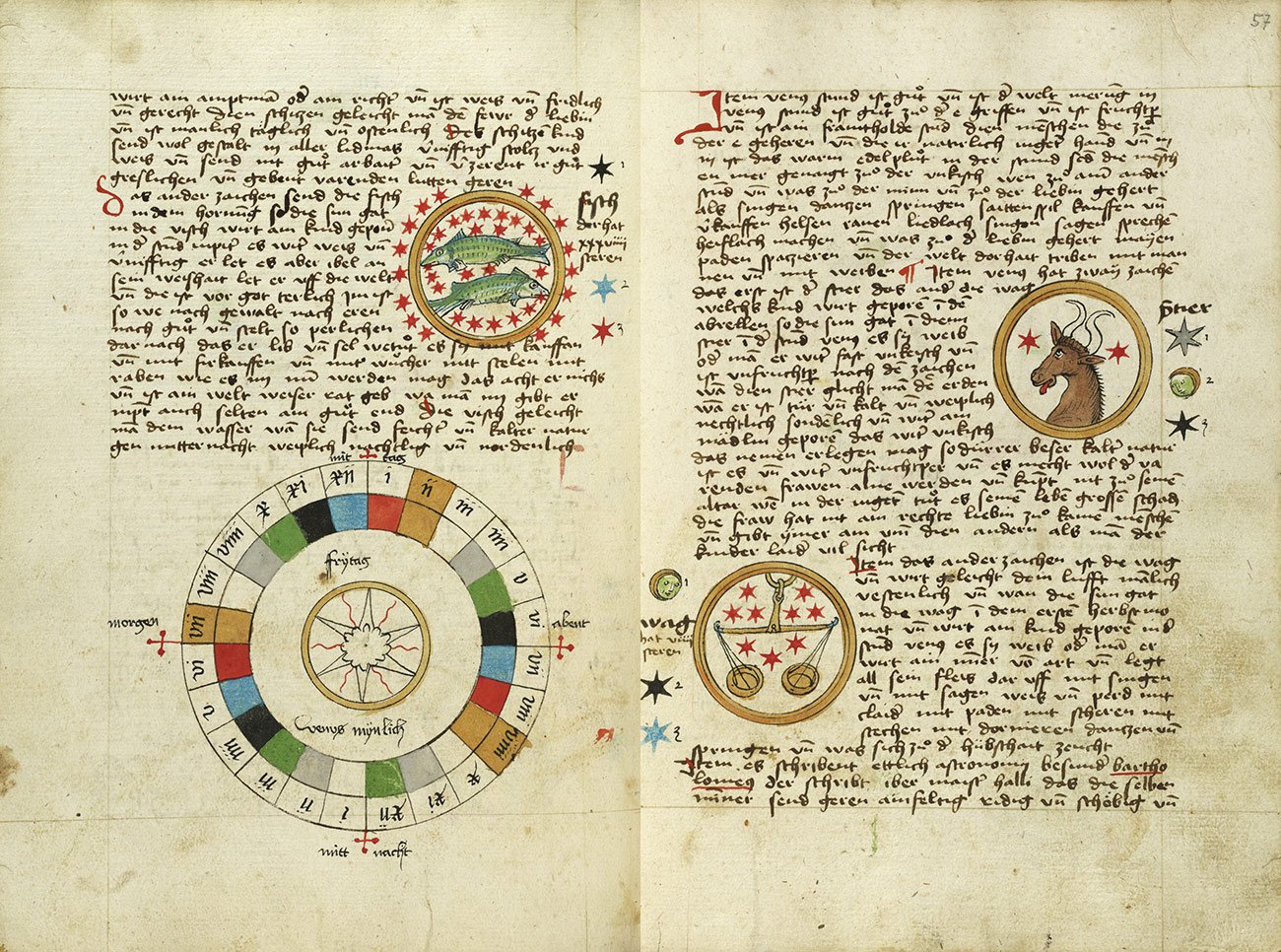
By the end of the Middle Ages, astrology had become firmly established in royal courts. It was a time when people believed in a close connection between celestial bodies and earthly events, and accordingly, they sought predictions and advice from the stars. In 14th-century Europe, astrologers often lived in royal palaces, becoming a kind of court adviser. Their main task was to cast horoscopes for rulers—this was essential for making important decisions, whether forging an alliance, starting a war, or even choosing the right time for a wedding.
Interest in astrology was so great that the French King Charles V, for example, went to considerable expense to expand his knowledge in this field. He ordered the translation into French of astrological texts from various civilizations, including ancient Greek and Arabic works. This speaks to the value of astrology for statecraft, as it offered the illusion of understanding higher powers and the ability to foresee the future.
However, as early as the 15th century, astrology's position in Europe began to change. A resurgence of interest in ancient science and the development of new philosophical ideas gradually undermined astrology's authority, which was increasingly perceived as superstition rather than a serious science. This was a significant turning point, heralding a gradual shift away from medieval worldviews and toward more rational thinking.
13. Astrology was considered witchcraft and paganism
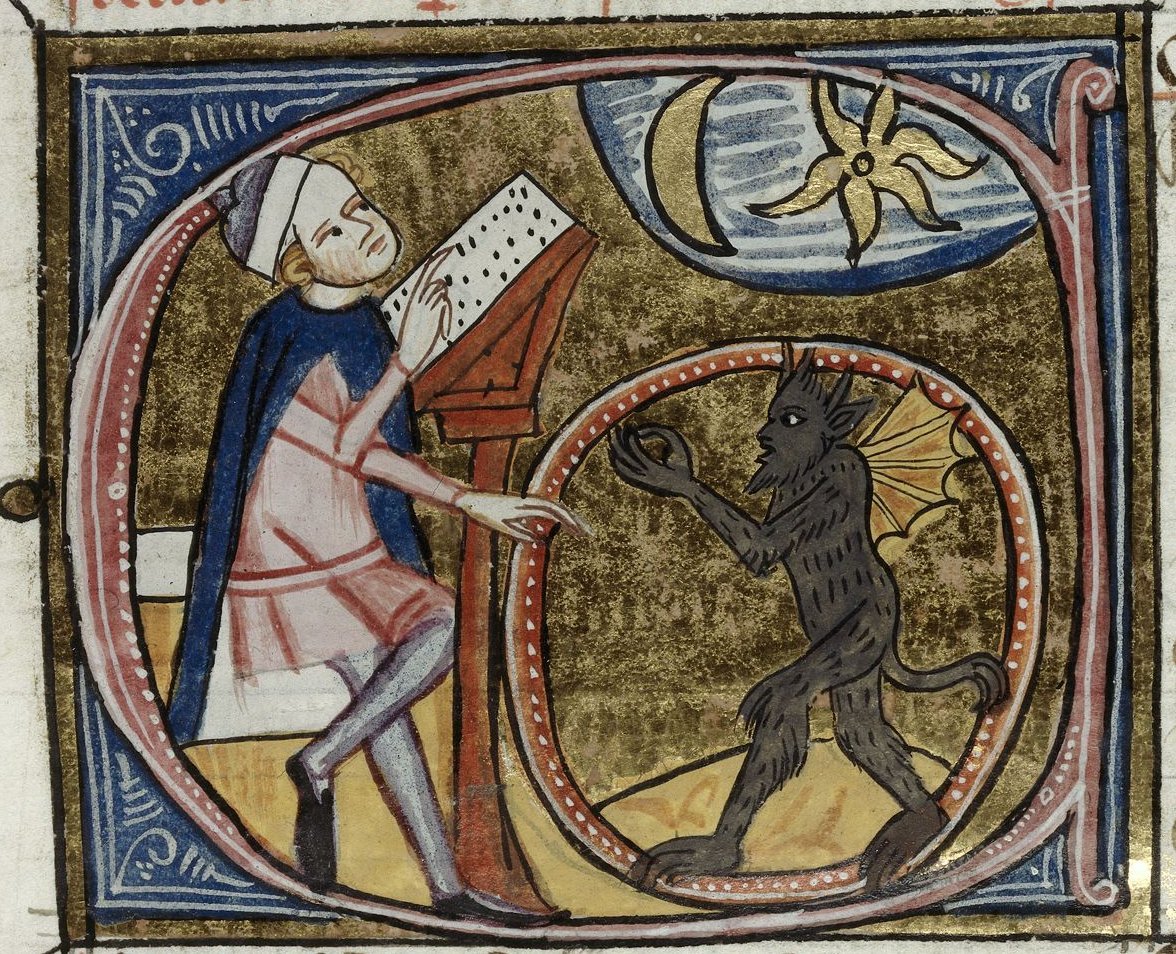
In 15th-century England, during the infamous witch trials, astrology found itself in a very difficult position. It was closely associated with witchcraft and paganism, which, of course, negatively affected its reputation. Imagine: if astrology was perceived as an instrument of dark forces, interest in it plummeted. This period marked a turning point in the history of astrology in Europe.
Influential European royalty, who had previously shown an interest in celestial phenomena and used astrological forecasts to make important decisions—for example, when planning marriages or military campaigns—began to turn away from this science. This was due not only to public opinion but also to the fear of being accused of witchcraft. After all, in those days, accusations of heresy or witchcraft could have very serious consequences.
It's important to understand that astrology at that time was not just a pastime, but a part of intellectual life, closely linked to medicine, philosophy, and even politics. Its rejection was not simply a change in fashion, but a sign of profound social and religious shifts. This period marked a significant decline in support for astrology among the upper classes and, as a result, influenced its further development and perception in the following centuries. Essentially, this was the moment when astrology began to gradually fade from the center of attention among the European elite.
14. Interest in astrology increased during the Renaissance.

During the Renaissance, interest in astrology experienced a surge, evident both in everyday life and in philosophical discussions. More than just a hobby, astrology became an essential tool for understanding the world and one's place in it. Previously, in the Middle Ages, astrology was often associated with superstition, but the Renaissance brought with it a return to ancient knowledge, including the works of ancient Greek astrologers such as Ptolemy. Scholars and thinkers of the time began to view astrology not only as a means of predicting the future but also as a system reflecting the cosmic order and the influence of celestial bodies on earthly events. This influenced medicine, alchemy, and even art—artists and architects often used astrological principles in their work, striving for harmony and alignment with celestial rhythms. Thus, Renaissance astrology was closely linked to the development of science and culture, offering an alternative perspective on the structure of the universe and humanity within it.
During the era we're discussing, the clash between Christian faith and the nascent natural sciences had a significant impact on the development of astrology. It was a time of change, when traditional notions of the universe were being challenged, and astrology, like many other fields of knowledge, could not remain unaffected. The conflict between religious dogma and scientific discoveries, such as those in celestial mechanics, spurred a rethinking of astrological principles and methods.
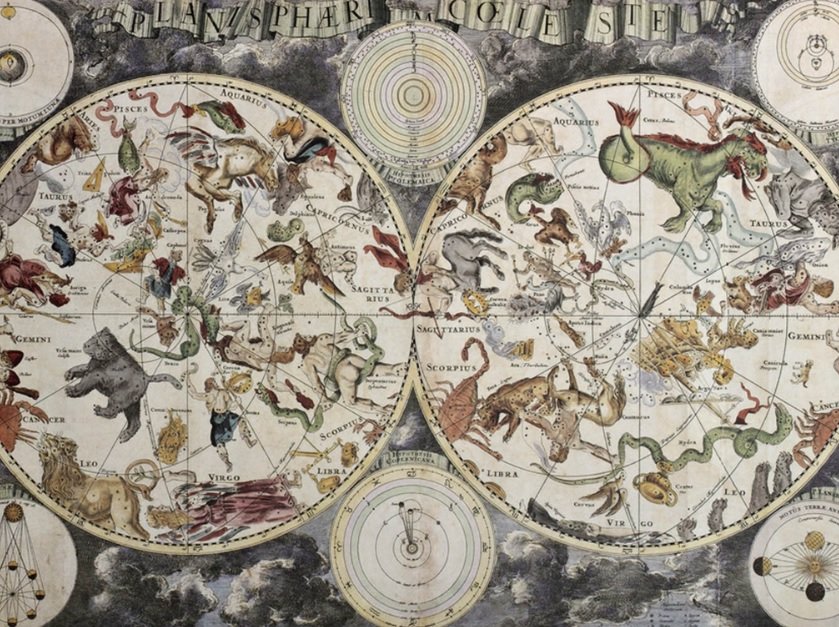
This intellectual ferment gave rise to new, specific astrological practices. Instead of simply following ancient traditions, astrologers began to study celestial phenomena more closely, seeking a more rational explanation. The primary focus of their work became the compilation of astrological charts—both individual ones, for predicting one's personal destiny, and more general ones, reflecting the positions of planets and stars at a given moment in time. At the same time, star charts were actively being created, allowing for the precise location of celestial bodies, and zodiac calendars, used to determine favorable and unfavorable days.
It's important to understand that these maps and calendars were more than just beautiful images. They served as practical decision-making tools—from choosing the time to plant crops to determining the best day to conclude a deal. At a time when scientific understanding of the world was still incomplete, astrology played a vital role in everyday life, helping people navigate uncertainty and find meaning in the world around them. Therefore, the development of astrological tools during this period was closely linked to the broader intellectual and cultural processes of the era.
15. Astrology and horoscopes fell out of favor again due to the Scientific Revolution and the Age of Enlightenment

Astrology and horoscopes experienced a significant decline in interest, especially after the Scientific Revolution and the Age of Enlightenment. This was understandable: the development of science, with its emphasis on rationality and empirical evidence, called into question many of astrology's tenets. By the end of the 17th century, for example, the practice of astrology had virtually disappeared—it simply found no support in a society oriented toward new knowledge. It's important to understand that scientists and educated people of the time viewed astrology as a pseudoscience that didn't adhere to the principles of the scientific method.
A resurgence of interest in horoscopes occurred only in the 20th century, and this is due to a number of factors. The appearance of regular «horoscope pages» in newspapers and magazines played a significant role – this made astrology accessible to a wider audience and transformed it into a form of entertainment, an easy way to learn about oneself and upcoming events. Essentially, horoscopes became part of popular culture rather than serious scientific research, which explains their popularity. Although the scientific community remains skeptical of astrology, its influence on the public consciousness remains noticeable, demonstrating how ideas about knowledge and entertainment have changed throughout history.
16. Horoscope for Princess Margaret
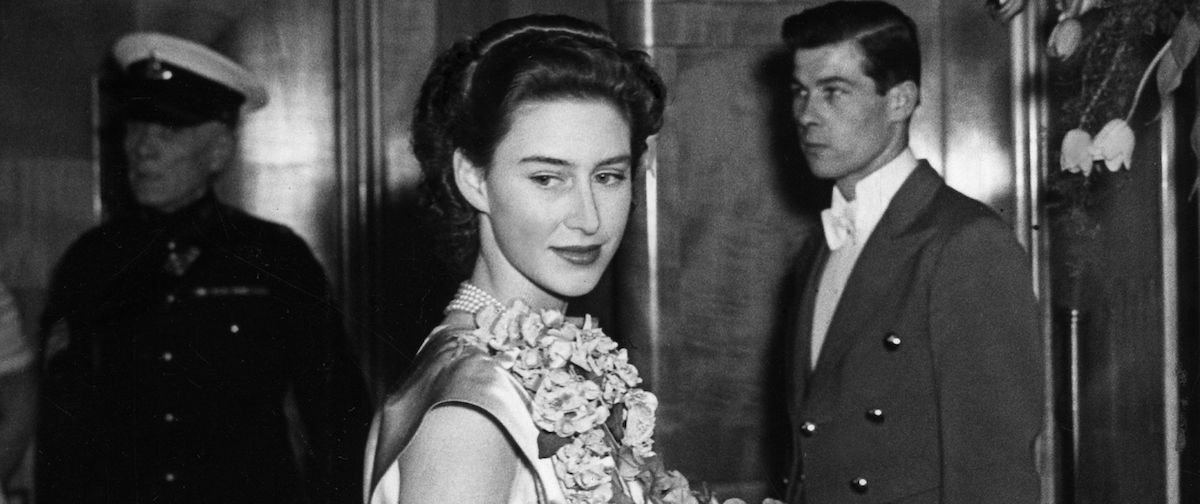
Princess Margaret
In 1930, a rather unusual article appeared in the English newspaper Sunday Express – a horoscope compiled especially for Princess Margaret. This wasn't just a standard forecast, but the work of British astrologer R. H. Naylor, known for his innovative methods and penchant for bold, sometimes even provocative, pronouncements. Using complex astrological calculations, Naylor made a number of intriguing predictions about the newborn princess's fate, and, as one might imagine, the publication caused quite a stir.
Interest in astrology was noticeable at the time, but predictions for a member of the royal family attracted a wider audience. The article's success was so enormous that Naylor was asked to continue it, and thus the regular «Star Prophecies» column in the Sunday Express was born. This was something of a breakthrough—newspaper horoscopes, previously more modest in format, began to gain popularity, and not only in England.
The rise of interest in astrology has been particularly noticeable in the United States, where newspaper horoscopes quickly captured the hearts of readers. This phenomenon demonstrates how people have always sought to peer into the future, find some explanation for events in the stars, and perhaps receive advice or guidance. The popularity of newspaper horoscopes, which began with this article about Princess Margaret, has become an important part of the cultural landscape and continues to influence how we perceive astrology and its role in our lives.
17. Modern astrology continues to remain popular

Despite skepticism, astrology continues to enjoy significant popularity in the modern world. This is especially noticeable among members of Generations Z and Y—young people actively seeking meaning and self-identity. Interestingly, the reasons for this interest are somewhat different from those of ancient times, when astrology was closely intertwined with astronomical observations and predictions. Today, of course, astronomical roots remain an important part of astrology's history, but something more fundamental plays a key role.
Astrology now largely serves as a vehicle for fostering a sense of community. People find it a platform for communication, exchanging opinions, and finding like-minded individuals. This is especially relevant in the digital age, when feelings of loneliness and isolation can be quite strong. Discussing horoscopes, zodiac signs, and natal charts is a way to connect with others and feel part of something larger.
Essentially, astrology offers modern people not only information about their potential strengths and weaknesses but also the opportunity to find their place in the world and feel supported and understood. It's a kind of psychological tool that helps one better understand oneself and others, even if the scientific basis for its principles remains a subject of debate. And perhaps it's precisely this need for belonging and self-knowledge that explains the enduring interest in astrology today.