

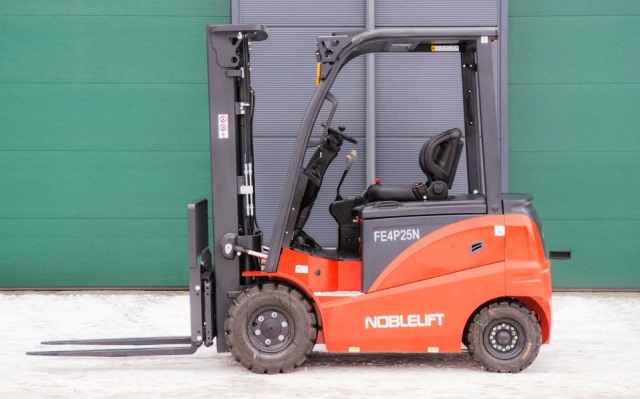
Electric forklifts are a modern type of material handling equipment used for moving, lifting, and stacking cargo in warehouses, manufacturing plants, and construction sites. Unlike their diesel and gas-powered counterparts, electric forklifts are battery-powered, making them more environmentally friendly and fuel-efficient.
Advantages of electric forklifts
- Eco-friendlinessOne of the key advantages of electric forklifts is their environmental friendliness. They emit no harmful substances into the atmosphere, which is especially important for work in enclosed spaces and warehouses with limited ventilation.
- EconomyElectric forklifts are economical to operate due to the low cost of electricity compared to fuel. They also require less maintenance, as they lack the components common to internal combustion engines.
- Low noise levelElectric forklifts operate significantly quieter than diesel or gas-powered counterparts. This reduces noise levels in the workplace, improving working conditions and increasing employee productivity.
- Maneuverability and compactness: Electric forklifts are typically compact in size and highly maneuverable, allowing them to be used effectively in narrow corridors and confined spaces.
Design and operating principle
Electric forklifts consist of several key components:
- Electric motor: The heart of the electric forklift, which converts electrical energy into mechanical energy.
- Battery: The primary energy source, which can be lead-acid or lithium-ion. Lithium-ion batteries are popular due to their durability and fast charging time.
- Hydraulic system: Provides for raising and lowering of the forks, as well as mast tilt control.
- Control electronics: Includes various sensors and microcontrollers that control the operation of the engine and hydraulic system.
Application areas
Electric forklifts are widely used in various industries:
- Warehouse logistics: Used for loading and unloading goods, moving them and placing them on racks.
- Manufacturing enterprises: They are used for transporting raw materials and finished products within workshops.
- Retail: Necessary for work in stores and distribution centers.
Types of electric forklifts
There are several types of electric forklifts, each designed to perform specific tasks:
- Three-wheel electric forklifts: They are highly maneuverable and suitable for working in narrow passages.
- Four-wheel electric forklifts: They have greater stability and load capacity, used for heavy-duty work.
- Reach trucks: Specialized machines with an extendable mast, designed for work on high racks.
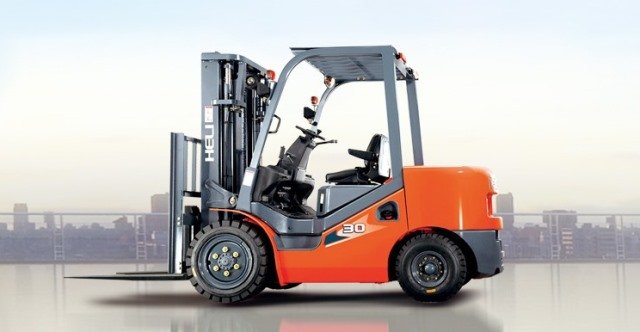
The Future of Electric Forklifts
As technology advances, electric forklifts are becoming even more efficient and versatile. New models are emerging with improved batteries, autonomous control capabilities, and integration into warehouse management systems. The introduction of innovative solutions, such as energy-saving systems and regenerative braking, makes electric forklifts even more attractive to businesses.
Electric forklifts are a vital component of modern logistics, delivering high productivity and minimal environmental impact. Their use not only improves working conditions but also optimizes operating costs, making them indispensable in any industry involving the storage and movement of goods.